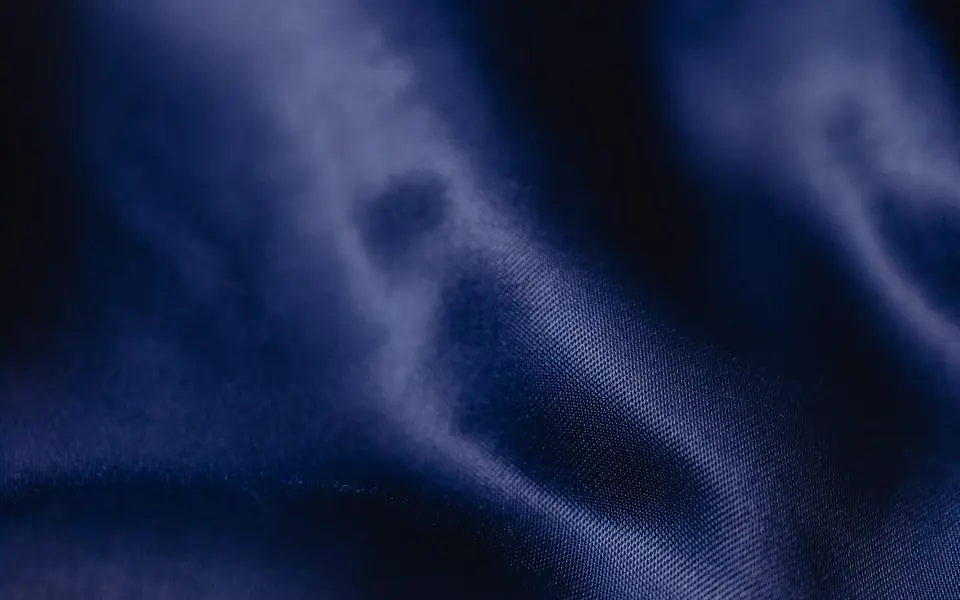
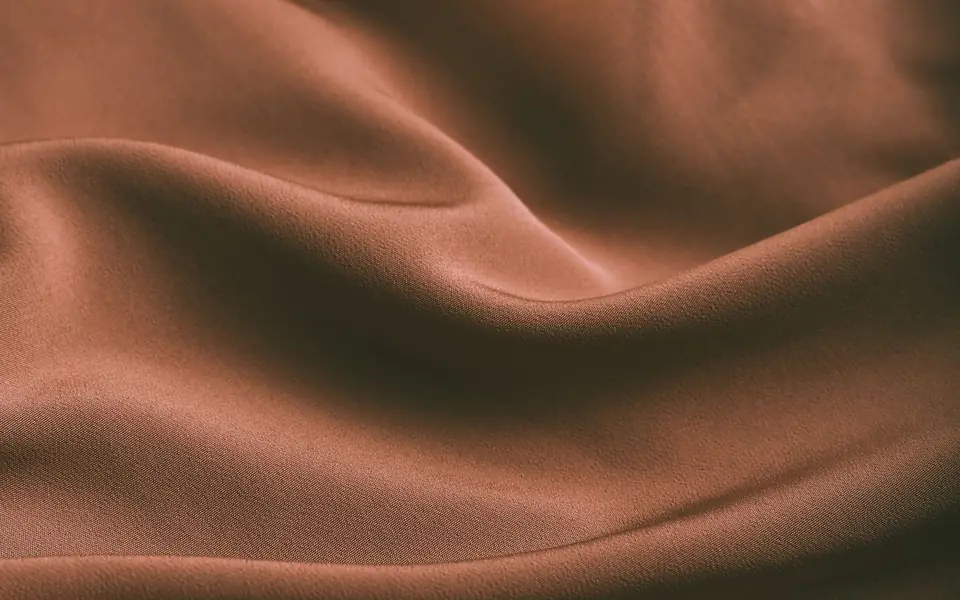
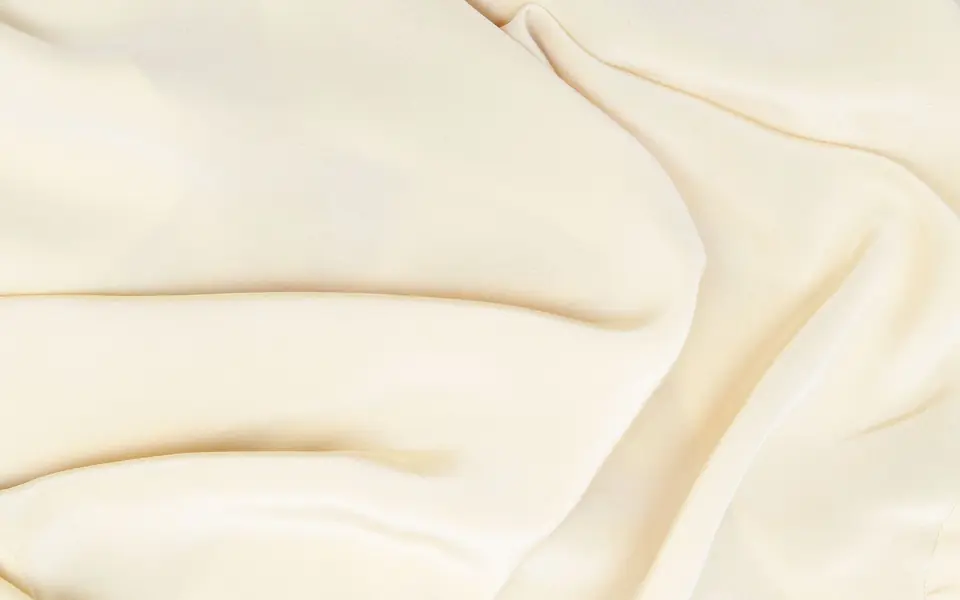
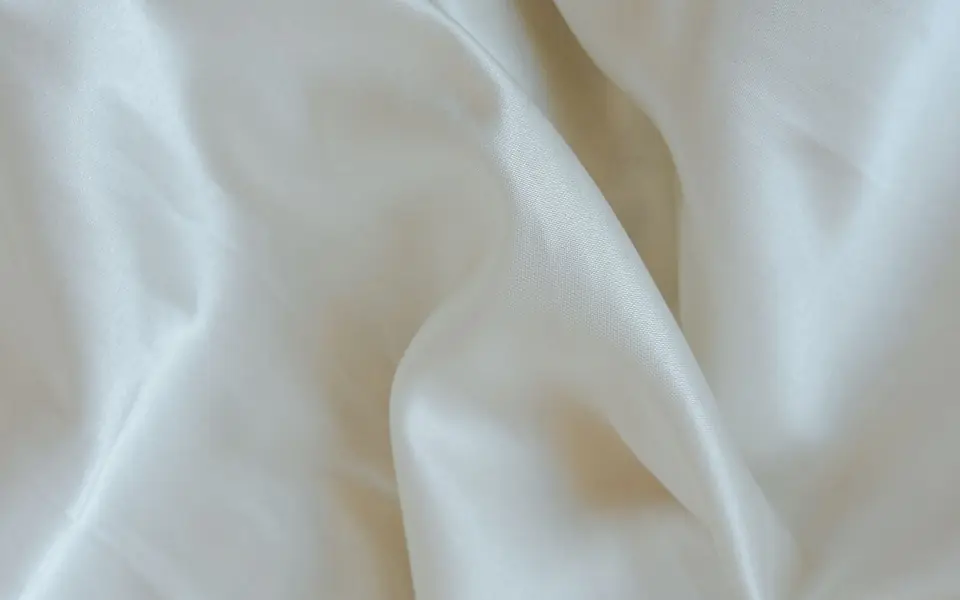
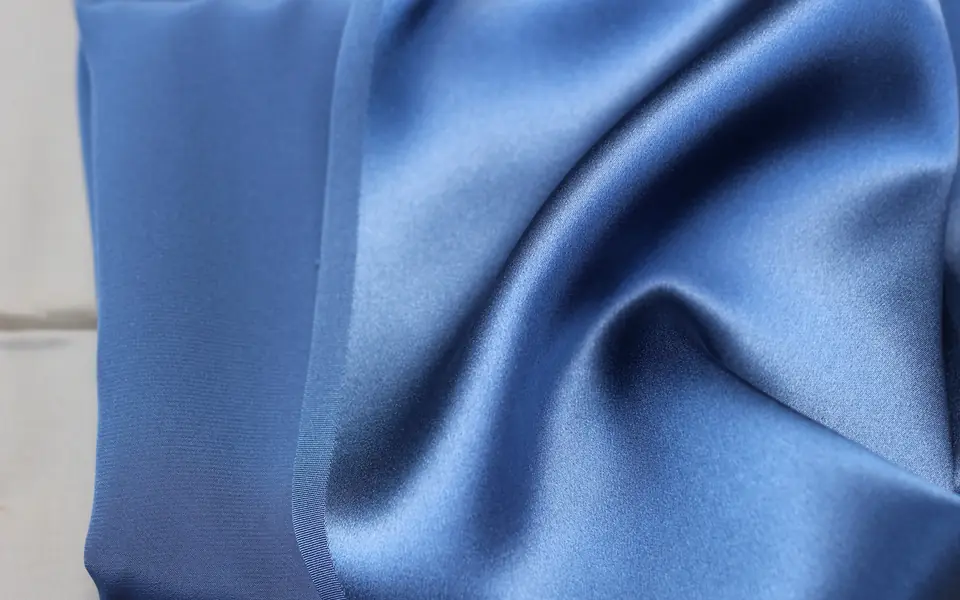
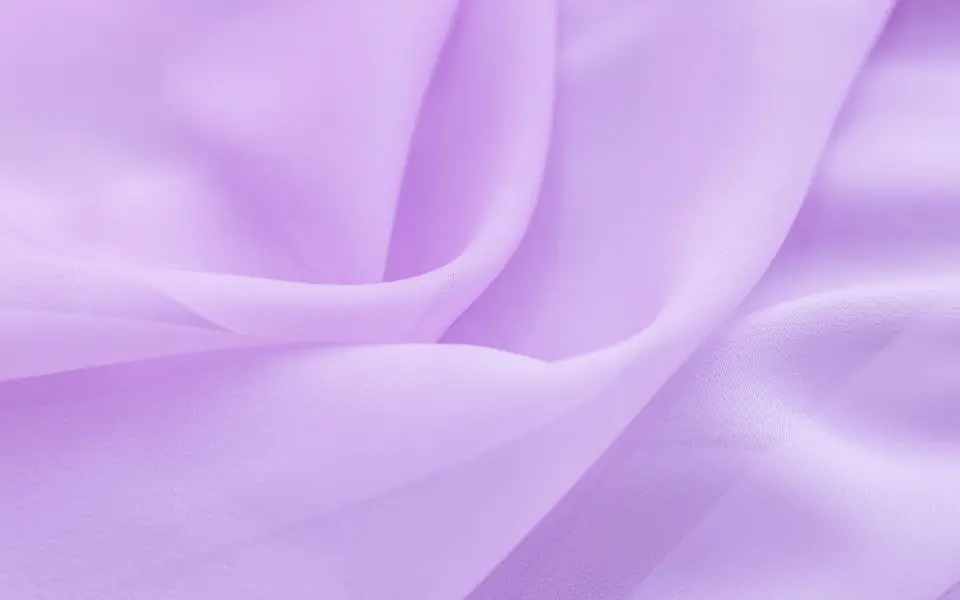
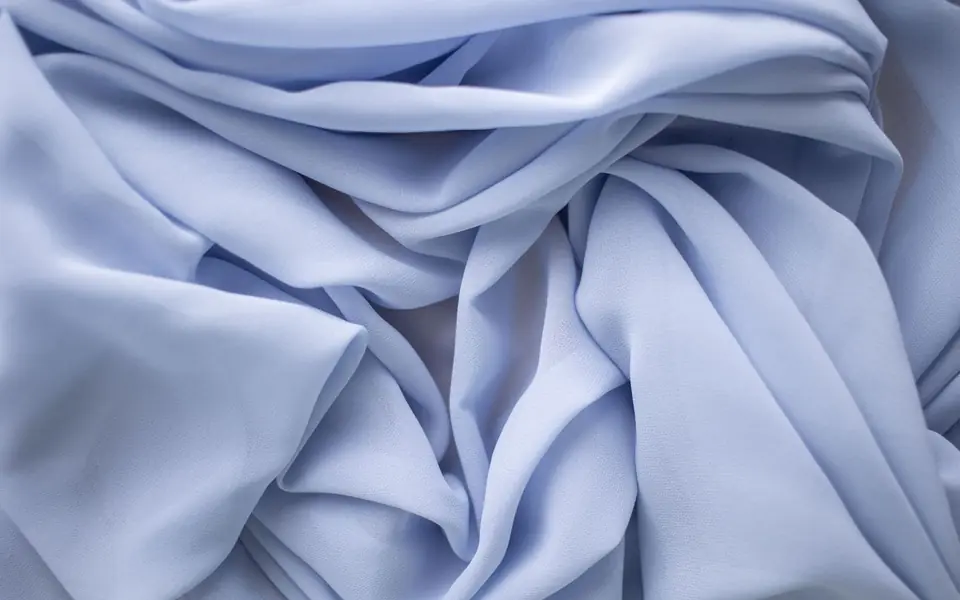
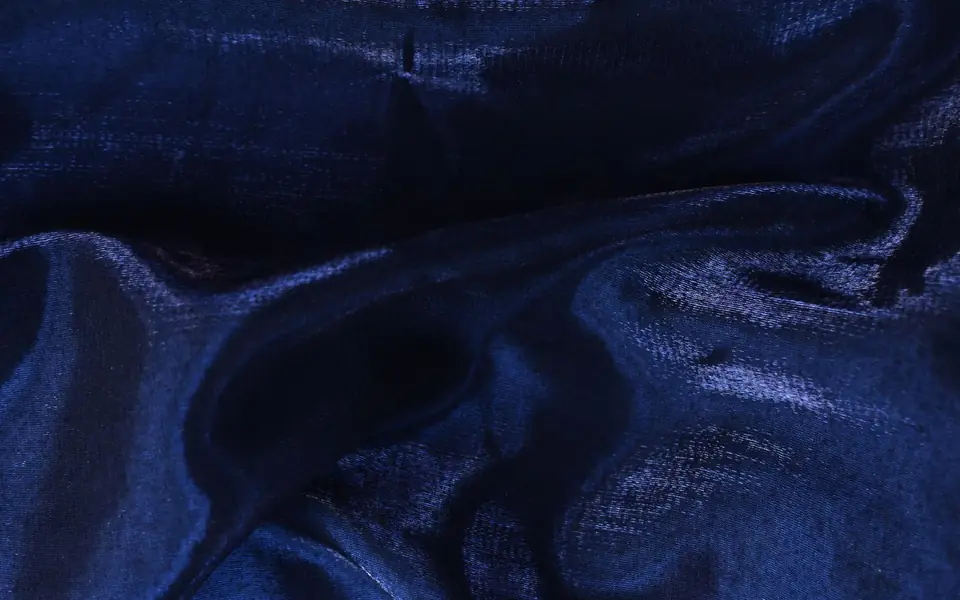
( Abaya fabric guide )

Abaya fabrics: every type, what it weighs and what it is for

Most everyday abayas are made from Nida, a matte polyester that holds its shape and drapes well. Korean Nida is the lighter, softer grade. Crepe travels best, linen suits real heat, and chiffon, satin and velvet are for occasion and winter pieces. Below are 38 fabrics, with their weight in GSM and what each is good and bad at.

Fabrics38Weight range12–550 GSMUpdatedSeptember 2026

( The short answer )

Which abaya fabric should you choose?

Start from where and how the abaya will be worn. Each pick below links to its full entry further down the page.

Everyday wear

NidaKorean NidaCrepe

Opaque, easy to wash and slow to crease. Nida is the safe default for an everyday black abaya.

Summer heat

LinenCottonViscose

Plant fibres let air and sweat through. If you want polyester, the lighter Korean Nida is the coolest.

Travel and Umrah

CrepeJerseyZoom

All three come out of a suitcase without creases and wash easily in a hotel room.

Occasion and Eid

SatinChiffonLace

Sheen and light layers for special days, over a lining or an inner slip.

Winter

VelvetWool blendScuba and ponte

Warmth for cold markets. Velvet for evenings, wool blends for coats, double knits for every day.

Embroidery and stone work

Korean NidaDuchess satinVelvet

Dense, stable cloth carries the weight of stones and thread without puckering. Avoid stretch knits.

01 · 6 fabrics

Nida and its trade names

Nida is the fabric most everyday abayas in the Gulf are made from. Every name here is a woven polyester sold under a trade name, not a regulated standard, so the same name can mean a different weight from a different mill. Crystal Nida is not a separate fabric. It is Nida with stone work added.

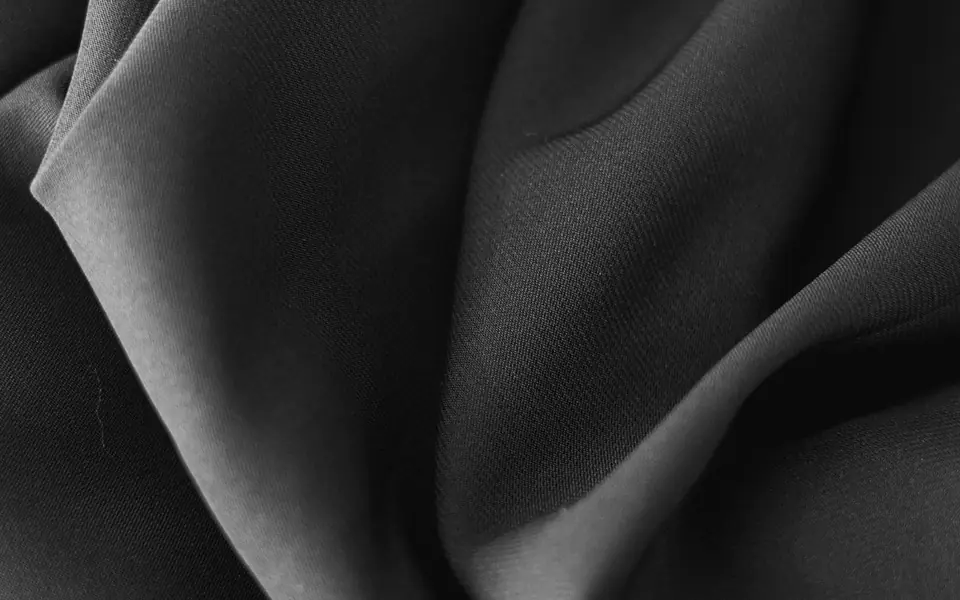
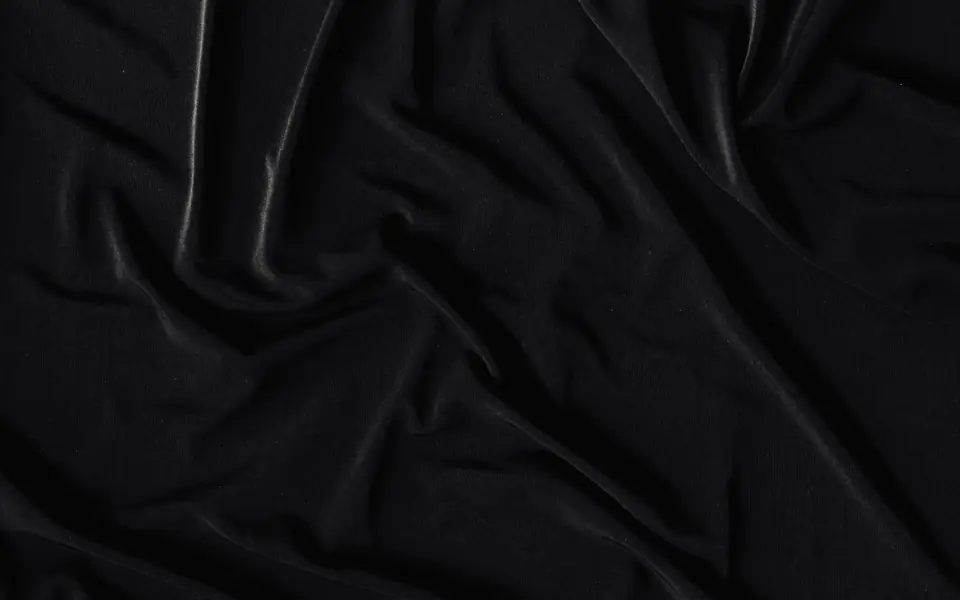
Close-up of soft, matte dark woven fabric in foldsIllustrative: similar matte woven fabric

Nida

Also sold as Dubai Nida, Saudi Nida, Neda

The standard abaya fabric of the Gulf. A smooth, matte woven polyester that falls in straight lines, hides the body and barely creases.

Fibre
100% polyester, sometimes with a little spandex
Weight
115–180 GSM
Finish
Matte
Cost of cloth
Budget
Breathability
2 out of 5
Drape
4 out of 5
Opacity
4 out of 5
Crease resistance
4 out of 5

Best for

Everyday black abayasWork and travelEmbroidery and stone work
Weak points, care and how to check it

Construction

Woven in a plain or fine twill weave, with a matte finish. Nida is a trade name rather than a fixed standard, so weight and hand vary from one supplier to the next.

Watch out for

  • Static in dry, air-conditioned rooms
  • Cheap, light rolls can show through, especially under 120 GSM
  • Feels warm outdoors in humid heat

Care

Machine wash cold on a gentle cycle, inside out. No bleach. Hang to dry. Iron below 150°C with a cloth between the iron and the fabric. Wash once before wearing to remove any finishing smell.

How to check it

Hold one layer to the light: good Nida is opaque. Ask for the GSM, since 120 to 160 is the usual everyday range. For black, look at it in daylight. A deep black that does not read grey or brown is what jet black Nida is sold on.

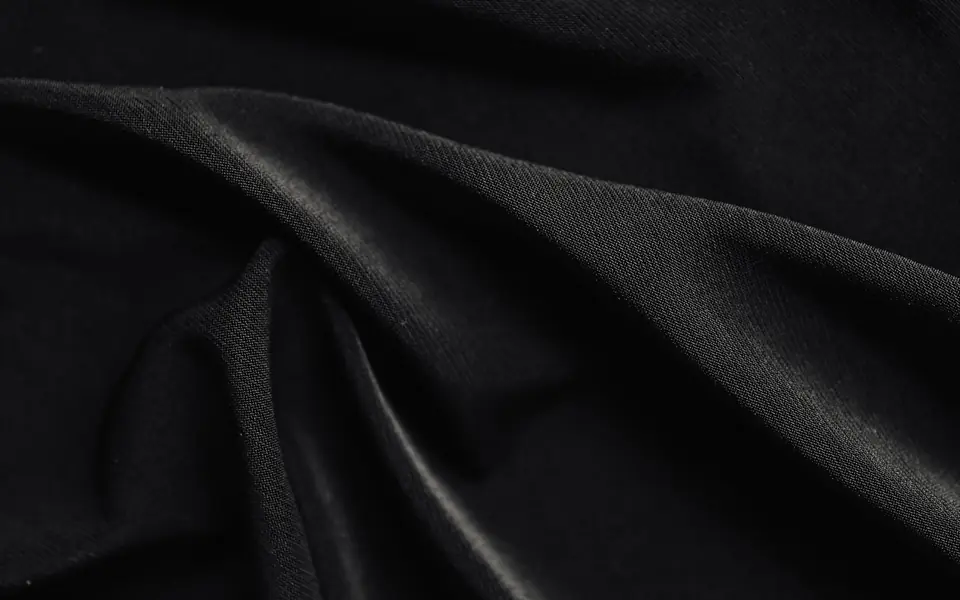
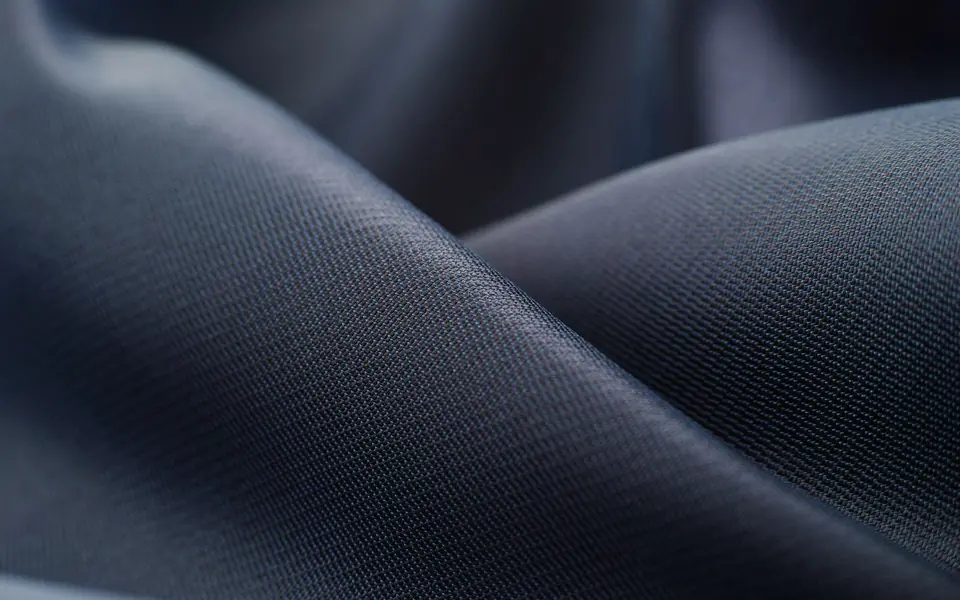
Close-up of black fabric with a fine diagonal weave and soft foldsIllustrative: similar fine black woven fabric

Korean Nida

Also sold as Korea Nida

The finer, softer grade of Nida. Woven from thinner yarn, so it is lighter, drapes closer and takes dye well. It costs more per metre than standard Nida.

Fibre
100% polyester
Weight
90–120 GSM
Finish
Matte to soft sheen
Cost of cloth
Mid-range
Breathability
3 out of 5
Drape
5 out of 5
Opacity
3 out of 5
Crease resistance
4 out of 5

Best for

Boutique and premium linesOccasion abayasCrystal and stone work
Weak points, care and how to check it

Construction

Woven from finer polyester yarn than standard Nida, with a matte to soft sheen. The name describes a grade more than a country: much of the fabric sold as Korean Nida is woven elsewhere.

Watch out for

  • Often sold as Korean when it was made somewhere else
  • Light weights need checking for show-through in pale colours
  • Static, as with any polyester

Care

Machine wash cold and gentle, inside out, with a mild detergent. Dry out of direct sun to keep the colour. Low iron.

How to check it

Judge it by hand, not by the label. It should feel finer and softer than standard Nida, with an even colour. Compare two swatches side by side, and ask where the fabric was actually woven.

Close-up of deep black fabric with a fine textured surfaceIllustrative: similar dense black fabric

Formal Nida

Also sold as Formal Black Nida

A heavier, smoother grade of Nida sold for formal and evening abayas. More body and more coverage than everyday Nida.

Fibre
100% polyester
Weight
115–150 GSM
Finish
Smooth, low sheen
Cost of cloth
Mid-range
Breathability
2 out of 5
Drape
4 out of 5
Opacity
5 out of 5
Crease resistance
4 out of 5

Best for

Formal and evening abayasStructured cutsHeavier embellishment
Weak points, care and how to check it

Construction

Woven polyester in the Nida style, with a smoother finish and a firmer hand. Mills sell it as its own grade next to standard and Korean Nida.

Watch out for

  • Warmer to wear than lighter Nida
  • The name is used loosely, so weights overlap with standard Nida

Care

As for Nida: cold gentle wash, inside out, hang to dry, low iron through a cloth.

How to check it

Ask for the GSM and compare it with the standard Nida from the same supplier. Formal should be the heavier and more opaque of the two. If it is not, it is standard Nida under a new name.

Close-up of black fabric with soft sheen gathered into foldsIllustrative: similar black polyester with sheen

Zoom

Also sold as Zoom Nida, Crinkle Nida

A Nida-type polyester with a fine crinkled surface and a little stretch. The texture hides creases, so it is sold as an abaya you hardly need to iron.

Fibre
Polyester, sometimes with spandex
Weight
About 160 GSM
Finish
Crinkled, slight sheen
Cost of cloth
Budget
Breathability
3 out of 5
Drape
3 out of 5
Opacity
4 out of 5
Crease resistance
5 out of 5

Best for

Everyday abayasTravelLow-maintenance ranges
Weak points, care and how to check it

Construction

Woven polyester with a crinkled or crimped finish. Jazz is a separate trade name for a similar crinkled polyester. Sellers disagree on whether Zoom is lighter or heavier than Nida.

Watch out for

  • Two fabrics sold as Zoom can differ a lot in weight
  • The crinkle can be uneven across a cheap roll

Care

Cold gentle wash and hang to dry. Do not press the crinkle flat with a hot iron. A steamer is enough.

How to check it

Unroll a length and check the crinkle is even from edge to edge. Ask for the GSM of the actual roll. The one abaya-grade listing we found was about 160 GSM.

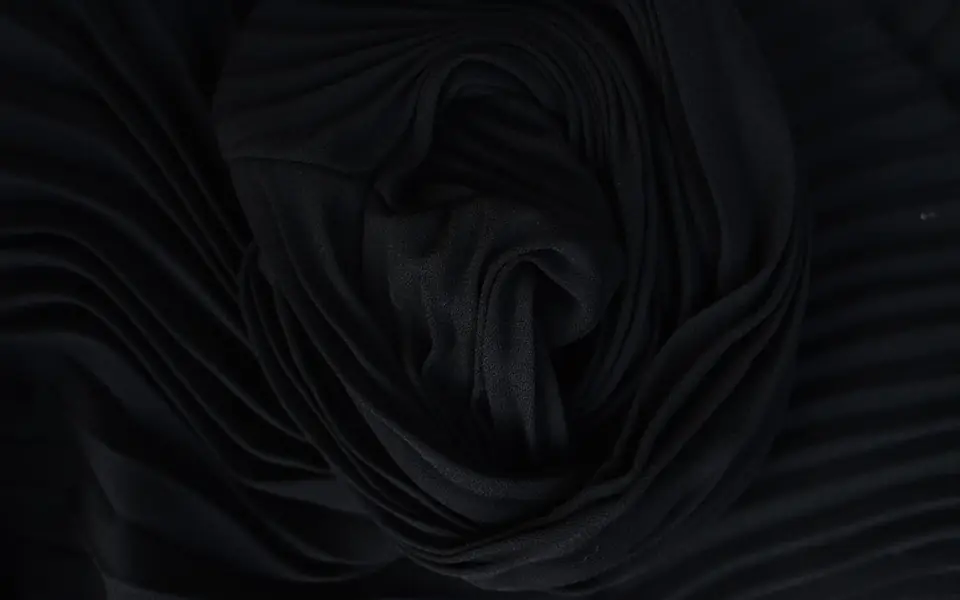
Black fabric gathered into a swirl, with faint texture at the edgesIllustrative: similar gathered black fabric

Yoryu

Also sold as Yoryo, Nida Yoryo, Crinkle yoryu

A crinkled, semi-sheer fabric with a puckered surface. In the abaya trade it is often sold with Zoom as Nida Yoryo, in a heavier weight than fashion yoryu.

Fibre
Polyester, viscose or silk, depending on the seller
Weight
60–160 GSM
Finish
Crinkled, soft sheen
Cost of cloth
Mid-range
Breathability
4 out of 5
Drape
4 out of 5
Opacity
2 out of 5
Crease resistance
5 out of 5

Best for

Flowing, textured abayasOverlays and layersSummer pieces over a slip
Weak points, care and how to check it

Construction

Woven with a crinkled surface from a special weave or finish. It is a recognised fabric outside the abaya trade too, where it is sold mostly as a light blouse and scarf cloth.

Watch out for

  • Light weights are semi-sheer and need a slip or lining
  • Weight varies hugely between sellers

Care

Cold gentle wash or hand wash. Hang to dry. Steam rather than iron, to keep the crinkle.

How to check it

Do the light test first. For an abaya on its own, ask for the heavier abaya grade, not the blouse-weight yoryu sold to dressmakers.

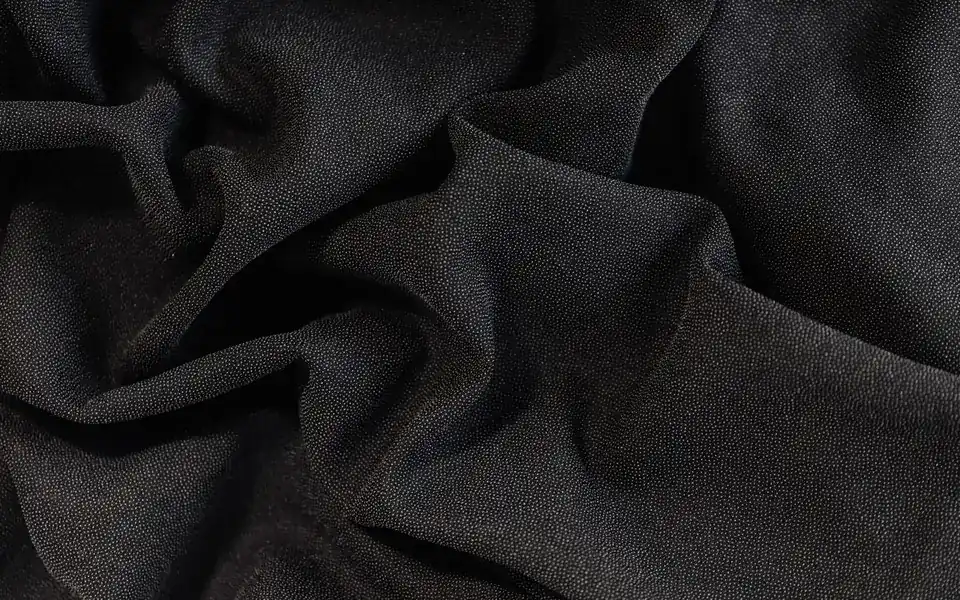
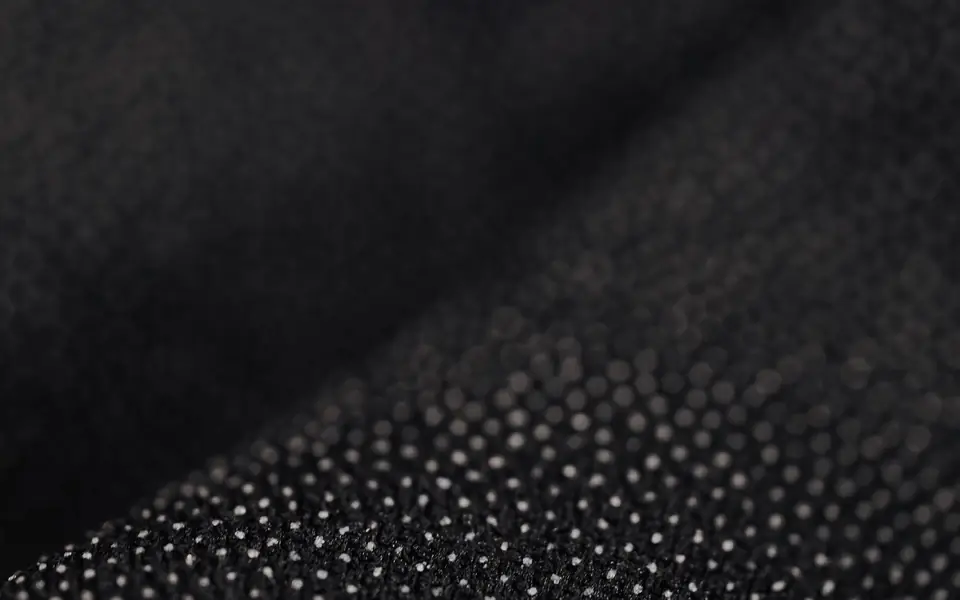
Close-up of black fabric with a fine dotted surface textureIllustrative: textured black polyester

Poka

Also sold as SPH Poka, Poca

A budget woven polyester, usually a twill, sold as an entry-level abaya fabric. Practical and hard-wearing rather than soft or fluid.

Fibre
100% polyester
Weight
115–150 GSM
Finish
Matte
Cost of cloth
Budget
Breathability
2 out of 5
Drape
2 out of 5
Opacity
4 out of 5
Crease resistance
4 out of 5

Best for

Entry-price abayasEveryday basicsHigh-volume orders
Weak points, care and how to check it

Construction

Woven polyester, often in a twill weave. Rolls are commonly 58 to 60 inches wide, narrower than the 68 inches that is common for Nida.

Watch out for

  • A stiffer drape than Nida
  • Narrower rolls can mean more metres per abaya, so compare cost per piece, not per metre

Care

Standard polyester care: machine wash cold, hang to dry, warm iron.

How to check it

Feel the drape against a Nida swatch. Poka is fine for basics, but it will not fall the same way. Confirm the roll width, since it changes how many metres each abaya takes.

02 · 4 fabrics

Crepe

Crepe is a weave and a finish, not a fibre. Its grainy surface hides creases, which is why it is the travel fabric. Korean crepe, Japanese crepe and anti-crepe are seller labels, so ask for the GSM behind any name.

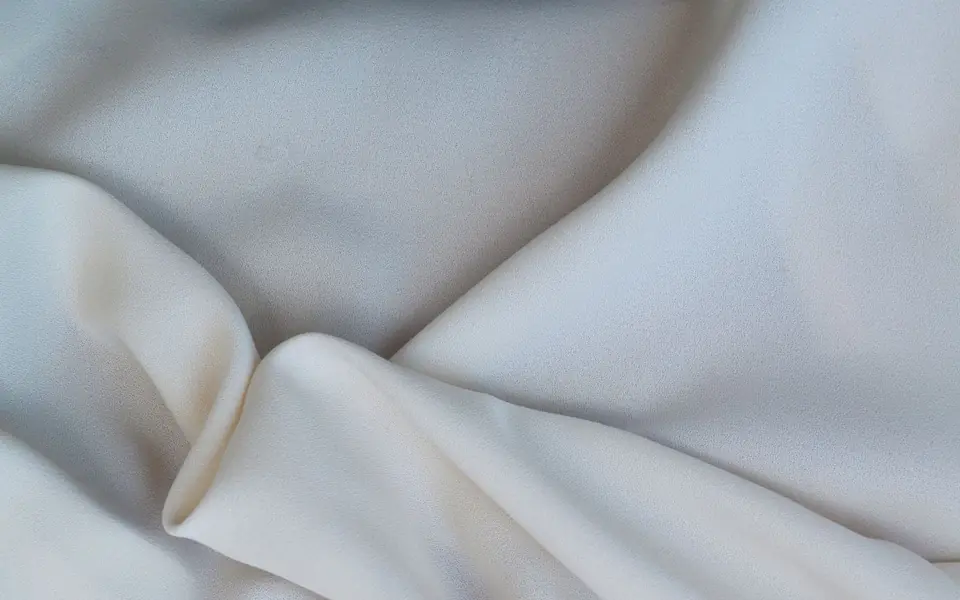
Close-up of cream fabric with a fine, grainy matte texture

Crepe

Also sold as Korean crepe, Japanese crepe, Luxury crepe

A polyester fabric with a fine grainy surface that hides creases, keeps its shape and does not cling. The best all-round choice for travel and for pleated or structured designs.

Fibre
Mostly polyester, sometimes with a little spandex
Weight
120–220 GSM
Finish
Matte, grainy
Cost of cloth
Budget
Breathability
3 out of 5
Drape
4 out of 5
Opacity
4 out of 5
Crease resistance
5 out of 5

Best for

Travel and UmrahPleats and structured cutsInner slips and liningsOffice wear
Weak points, care and how to check it

Construction

Woven from high-twist yarns that give the pebbled crepe surface. Names like Korean crepe, Japanese crepe and anti-crepe are seller labels, so weights vary widely.

Watch out for

  • Quality varies a lot between suppliers using the same name
  • Heavier crepes are warm for summer daywear

Care

Machine wash cold on gentle, or hand wash. Hang to dry, no tumble dryer. Low iron or steam if needed.

How to check it

Rub it between your fingers: you should feel a slight grain, not a perfectly smooth face. Do the crush test, since good crepe springs back with no marks. Always ask for the GSM, because two crepes with the same name can differ by double.

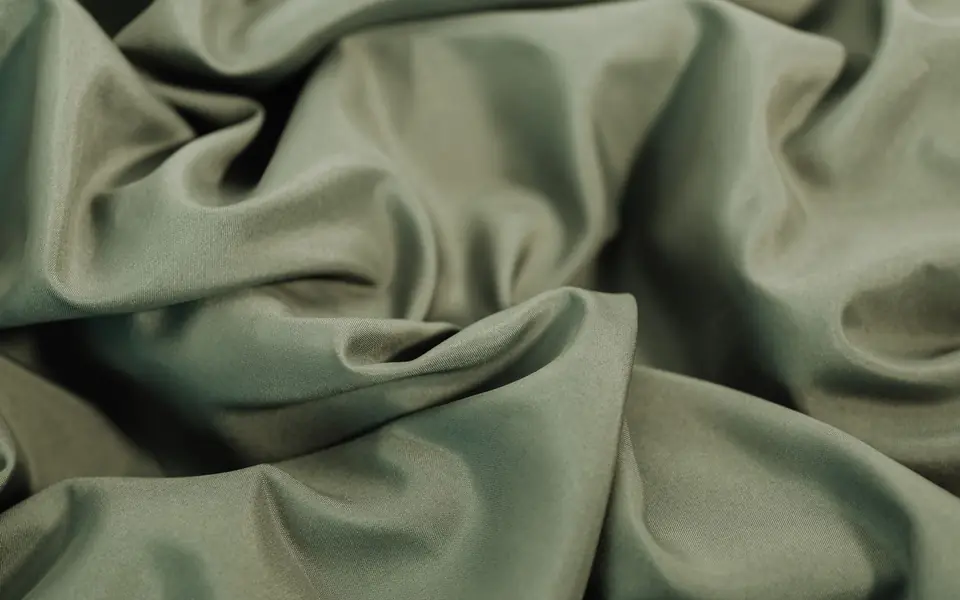
Close-up of soft sage green fabric in rippled foldsIllustrative: similar soft matte fabric

Moss crepe

Also sold as Ocean crepe, Como crepe

A soft, matte crepe with a lightly mossy texture. A familiar name to modest-fashion shoppers in the UK and US, used for everyday and occasion abayas.

Fibre
100% polyester
Weight
75–175 GSM
Finish
Matte, soft texture
Cost of cloth
Budget
Breathability
3 out of 5
Drape
4 out of 5
Opacity
3 out of 5
Crease resistance
4 out of 5

Best for

Everyday abayasOccasion piecesColour ranges
Weak points, care and how to check it

Construction

Woven polyester crepe with a soft, lightly textured matte surface.

Watch out for

  • The widest weight range of any crepe name, from 75 to 175 GSM
  • Light weights may need a slip in pale colours

Care

Machine wash cold on gentle. Hang to dry. Low iron or steam.

How to check it

Ask for the GSM before anything else. The name covers everything from a light blouse crepe to a heavy abaya cloth.

Close-up of grey-blue fabric with a visible grid weaveIllustrative: textured woven fabric

Barbie crepe

Also sold as Crepe barbie

A heavy crepe with a fine pebbled face and a little stretch, so it follows the body more than other crepes. Used for fitted and tailored abayas.

Fibre
About 92–96% polyester, 4–8% spandex
Weight
Not usually published
Finish
Matte
Cost of cloth
Budget
Breathability
2 out of 5
Drape
4 out of 5
Opacity
5 out of 5
Crease resistance
4 out of 5

Best for

Fitted and tailored abayasOffice wearAbaya sets
Weak points, care and how to check it

Construction

Woven crepe with spandex for sideways stretch. Also used for dresses and suits, not only abayas.

Watch out for

  • Heavy and warm in summer heat
  • The stretch can make it cling more than a loose abaya needs

Care

Machine wash cold on gentle. Hang to dry. Low iron.

How to check it

Stretch it across the width: it should give a little and spring back. Ask for the GSM, since sellers usually describe it only as heavy.

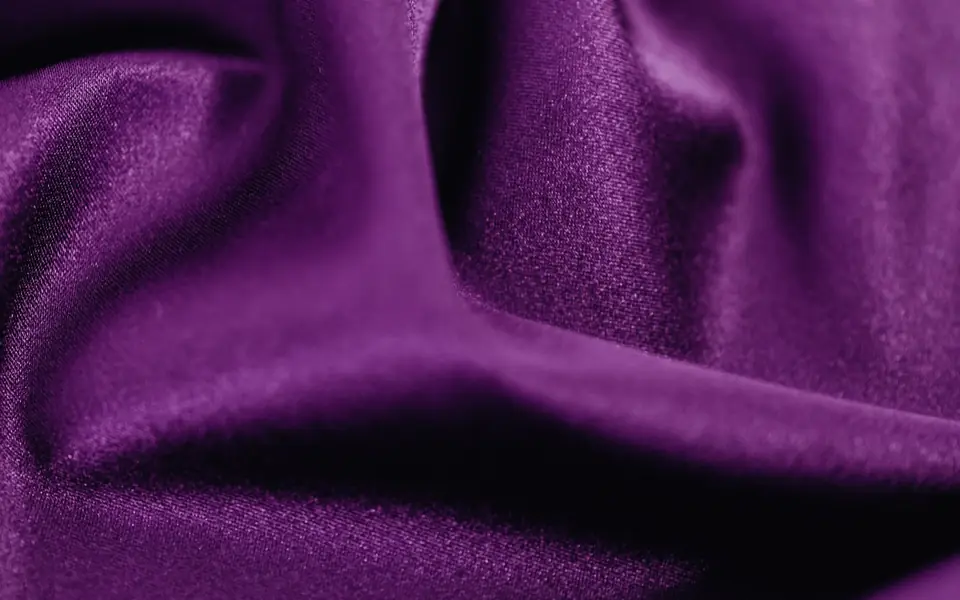
Close-up of purple fabric with a sheen over a fine grainy textureIllustrative: similar textured satin

Satin crepe

Also sold as Crepe-back satin, Reversible satin

One cloth with two faces: glossy satin on one side and matte crepe on the other. It can be made into reversible abayas that give two looks from one piece.

Fibre
Polyester or silk
Weight
About 150 GSM
Finish
Satin face, matte back
Cost of cloth
Mid-range
Breathability
2 out of 5
Drape
4 out of 5
Opacity
5 out of 5
Crease resistance
4 out of 5

Best for

Reversible abayasContrast cuffs and trimsEid and occasion pieces
Weak points, care and how to check it

Construction

Smooth, low-twist yarns one way make the satin face. High-twist crepe yarns the other way make the matte back.

Watch out for

  • The satin face shows water marks and snags
  • Heavier than it looks

Care

Polyester: machine wash cold and gentle, inside out, hang to dry, low iron on the crepe side. Silk: dry clean.

How to check it

Turn it over: a true satin crepe has a clear satin face and a clear crepe back. Ask whether it is polyester or silk, since both are sold under this name.

03 · 6 fabrics

Satin, silk and silk names

Satin is a weave and silk is a fibre. Most satin sold for abayas is polyester, and several fabrics with silk in the name contain none. Some silk names used by single sellers could not be traced to any specification, so always ask for the fibre content.

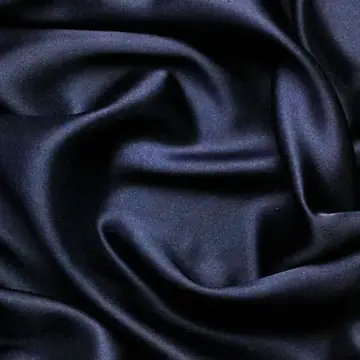
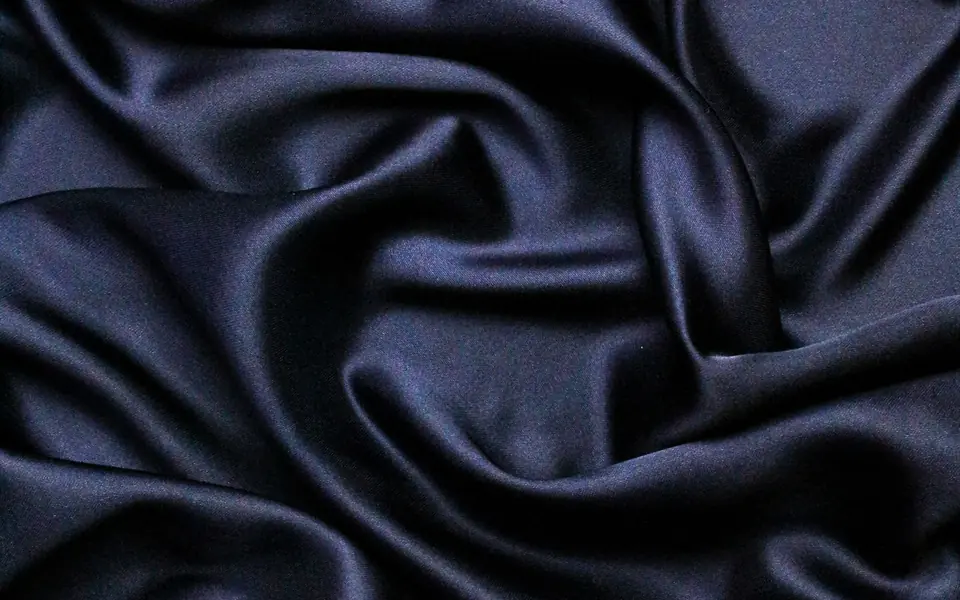
Close-up of dark navy satin with a glossy sheen and deep folds

Satin

Also sold as Charmeuse, Stretch satin

A smooth, glossy fabric for occasion and evening abayas. Most sold today is polyester, which is cheaper and easier to wash than silk satin.

Fibre
Polyester, often with 2–10% spandex in stretch satin
Weight
60–120 GSM
Finish
High shine
Cost of cloth
Budget
Breathability
1 out of 5
Drape
5 out of 5
Opacity
3 out of 5
Crease resistance
4 out of 5

Best for

Eid and occasion abayasInner slipsPairing with lace or chiffon
Weak points, care and how to check it

Construction

A satin weave with long floating yarns that make a glossy face and a duller back. Charmeuse is the light, fluid kind. Stretch satin adds spandex.

Watch out for

  • Does not breathe, so it is hot outdoors
  • Static cling
  • Snags easily and shows water spots

Care

Machine wash cold on gentle, inside out, in a mesh bag. Hang to dry. Iron on low from the back.

How to check it

Look at the back: satin has a glossy face and a dull reverse. Check the label for fibre content, since polyester and silk satin look alike in photos.

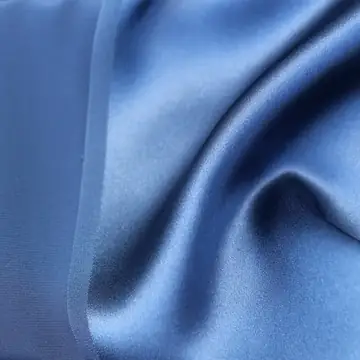
Close-up of blue satin with a visible weave under the sheenIllustrative: polyester satin

Duchess satin

A heavy, stiff satin with a softer shine. It holds its shape and falls in folds rather than flowing, which suits formal and bridal abayas.

Fibre
Polyester or silk
Weight
180–280 GSM
Finish
Rich, soft shine
Cost of cloth
Mid-range
Breathability
1 out of 5
Drape
2 out of 5
Opacity
5 out of 5
Crease resistance
3 out of 5

Best for

Formal and bridal abayasPleated and structured designsHeavy embroidery and stone work
Weak points, care and how to check it

Construction

A tightly woven satin with no stretch, heavier and firmer than charmeuse.

Watch out for

  • Heavy, so it adds to air freight
  • Too stiff for flowing everyday styles
  • Creases show on the shiny face

Care

Dry cleaning is safest for occasion pieces. Store on a padded hanger.

How to check it

Hold a length up by one corner. Duchess satin should stand away in stiff folds. If it collapses and flows, it is a lighter satin.

Close-up of smooth brown fabric with a satin sheenIllustrative: similar glossy satin weave

Armani silk

Also sold as Armani poly silk, Armani silk satin

A stretch polyester satin sold under a silk-sounding name. It is not silk, and it has no connection to the Armani fashion house. Glossy and easy to care for, but it does not breathe.

Fibre
About 92–97% polyester, 3–8% spandex
Weight
Not usually published
Finish
Glossy to soft sheen
Cost of cloth
Budget
Breathability
1 out of 5
Drape
4 out of 5
Opacity
4 out of 5
Crease resistance
5 out of 5

Best for

Budget occasion abayasKaftans and abaya setsPrinted designs
Weak points, care and how to check it

Construction

A satin weave with a little stretch. Sellers describe it as thick but rarely give a weight.

Watch out for

  • Often listed without the word polyester
  • Hot and full of static in warm weather
  • The shine looks synthetic next to real silk

Care

Machine wash cold on gentle. Hang to dry. Low iron from the back.

How to check it

If the label or listing does not say 100% silk, it is not silk. Burning a thread settles it: polyester melts into a hard bead.

Close-up of cream fabric with a soft sheen in gentle foldsIllustrative: similar silky cream fabric

Medina silk

Also sold as Madina silk

A soft polyester with a light sheen, sold under a silk-sounding name. It is opaque and resists creases, and sits in the same space as premium Nida.

Fibre
Usually polyester. A few sellers offer silk or silk-blend versions
Weight
About 190 GSM
Finish
Soft sheen
Cost of cloth
Mid-range
Breathability
2 out of 5
Drape
4 out of 5
Opacity
5 out of 5
Crease resistance
4 out of 5

Best for

Premium everyday abayasMatching hijabsAbaya sets
Weak points, care and how to check it

Construction

Woven polyester with a smooth, silky hand. Like Nida, it is a trade name rather than a fixed specification.

Watch out for

  • The name does not tell you the fibre
  • Silk versions need very different care from polyester ones

Care

Polyester: machine wash cold and gentle, hang to dry. Silk versions: hand wash cold or dry clean.

How to check it

Ask the seller in writing whether it is 100% polyester, a blend or real silk. Price is a strong clue, since silk costs many times more.

Close-up of smooth ivory fabric with a soft sheenIllustrative: similar smooth ivory fabric

Crepe de chine

Also sold as CDC

A fine, light crepe with a soft matte sheen, originally made in silk. The polyester version is cheaper and machine washable.

Fibre
Silk, or polyester in cheaper versions
Weight
65–110 GSM
Finish
Soft matte sheen
Cost of cloth
Mid-range
Breathability
3 out of 5
Drape
5 out of 5
Opacity
2 out of 5
Crease resistance
3 out of 5

Best for

Light, flowing abayasLiningsKaftans and inner layers
Weak points, care and how to check it

Construction

A plain weave with tightly twisted yarns that give a very fine pebbled surface. Less shiny than satin.

Watch out for

  • Light enough to need a slip in pale colours
  • Silk versions need hand washing or dry cleaning

Care

Polyester: gentle machine wash, cold. Silk: hand wash cold or dry clean, dry out of the sun, iron on low.

How to check it

The surface should look fine-grained and softly matte, never glassy. Ask whether it is silk or polyester, since both use the name.

Blue 100% silk charmeuse, showing the glossy face and the matte back

Silk

Also sold as Mulberry silk, Hareer

The real thing: a natural fibre that breathes, feels cool in heat and has a sheen that shifts as it moves. It costs many times more than polyester and needs careful handling.

Fibre
100% silk
Weight
80–130 GSM
Finish
Natural, shifting sheen
Cost of cloth
Premium
Breathability
4 out of 5
Drape
5 out of 5
Opacity
3 out of 5
Crease resistance
2 out of 5

Best for

Weddings and EidTop-end boutique linesCustomers who want a natural fibre
Weak points, care and how to check it

Construction

A natural protein fibre, almost always mulberry silk, woven as charmeuse, crepe de chine or habotai. Silk weight is often given in momme. One momme is about 4.3 GSM.

Watch out for

  • Shows water spots and snags
  • Needs hand washing or dry cleaning
  • Expensive, so it is a target for fakes

Care

Dry clean, or hand wash in cool water with a silk detergent. Dry flat out of direct sun. Iron on the silk setting from the back.

How to check it

Burn a few threads: silk curls away from the flame, smells of burnt hair and leaves ash that crumbles. Under light, its sheen shifts as you move it. A very low price is the clearest warning.

04 · 6 fabrics

Sheers and lace

These fabrics are see-through because of how they are made, and no finish changes that. Coverage comes from weight, darker colours and a lining or inner slip. Most of them fray, which adds sewing time. Net is the exception.

Close-up of lilac chiffon in soft, floating folds

Chiffon

Also sold as Poly chiffon, Indonesian chiffon

A light, sheer, floaty fabric for overlays, sleeves, capes and kimono layers. It is see-through by design, so it always goes over a lining or an inner slip.

Fibre
Usually 100% polyester. Silk chiffon costs more than twice as much
Weight
40–110 GSM
Finish
Soft, near matte
Cost of cloth
Budget
Breathability
5 out of 5
Drape
5 out of 5
Opacity
1 out of 5
Crease resistance
3 out of 5

Best for

Overlays and capesKimono layers and sleevesMatching hijabs
Weak points, care and how to check it

Construction

A loose plain weave from high-twist yarns. Indonesian chiffon is a Gulf trade label, sometimes sold as a three-layer build that needs no separate lining.

Watch out for

  • Frays heavily, so seams need French or bound finishes, which adds sewing time
  • Pale colours need a heavier weight to cover as well
  • Heavy beading pulls the weave without a backing

Care

Hand wash cold or dry clean. Do not wring. Hang to dry and iron on the lowest setting through a cloth.

How to check it

Ask for the GSM. Around 60 to 80 is standard. Ask for more in pale colours: one supplier found beige needed about 85 GSM to cover as well as black at 65.

Close-up of pale blue sheer fabric with soft wrinklesIllustrative: similar light sheer fabric

Georgette

Also sold as Crepe georgette

A step heavier than chiffon, with a grainy surface you can feel. It is less see-through and grips better, which makes it the practical everyday sheer.

Fibre
Polyester, or silk in premium versions
Weight
Not usually published
Finish
Matte, grainy
Cost of cloth
Budget
Breathability
4 out of 5
Drape
4 out of 5
Opacity
2 out of 5
Crease resistance
4 out of 5

Best for

Everyday layered abayasHijabs that stay pinnedSleeves and overlays
Weak points, care and how to check it

Construction

A plain weave from tightly twisted yarns that give a crinkled, grainy face. Chiffon and georgette are one family, with georgette at the heavier, grainier end.

Watch out for

  • Still sheer, so it needs a lining for coverage
  • Frays like chiffon

Care

Hand wash cold or dry clean. Hang to dry. Low iron through a cloth.

How to check it

Rub it between your fingers. Georgette feels grainy straight away and chiffon feels smooth. Hold both to the light: georgette blocks more.

Close-up of crisp midnight blue organza with sharp folds and a sheen

Organza

A crisp, stiff sheer that holds its own shape. It is used where volume matters, such as structured capes and statement sleeves on occasion abayas.

Fibre
Polyester, or silk in premium versions
Weight
15–35 GSM
Finish
Crisp, light sheen
Cost of cloth
Budget
Breathability
3 out of 5
Drape
1 out of 5
Opacity
1 out of 5
Crease resistance
3 out of 5

Best for

Structured capesStatement sleevesWedding and party abayasEmbroidery and appliqué
Weak points, care and how to check it

Construction

Densely woven from smooth, tightly twisted yarns, which gives a paper-like hand and a light sheen.

Watch out for

  • Frays and snags, so seams need sealing
  • Stitch holes and puckers show on the crisp surface

Care

Hand wash cold or dry clean. Steam rather than iron.

How to check it

Scrunch it and let go slowly. Organza springs back with structure. If it falls flat, it is chiffon.

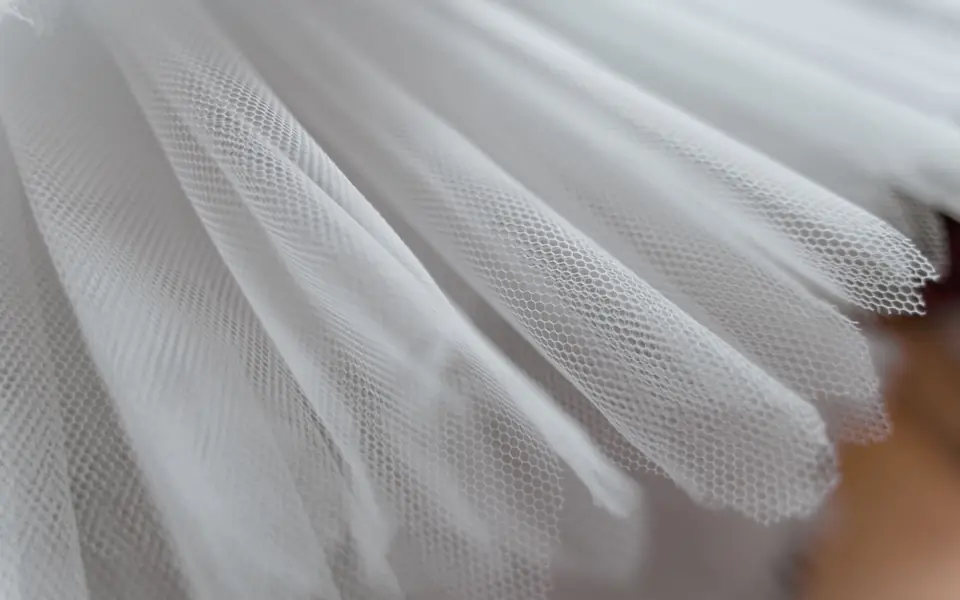
Close-up of white tulle showing the honeycomb mesh

Tulle and net

Also sold as Net, Mesh

An open, honeycomb net. It gives no coverage on its own, but it is quick to sew and does not fray, so it is used for illusion sleeves, capes and as the base for sequin fabric.

Fibre
Polyester or nylon
Weight
12–60 GSM
Finish
Soft to stiff, by grade
Cost of cloth
Budget
Breathability
5 out of 5
Drape
3 out of 5
Opacity
1 out of 5
Crease resistance
4 out of 5

Best for

Illusion sleevesCapes and veil layersA base for sequins and embroidery
Weak points, care and how to check it

Construction

Knotted or knitted into a hexagonal mesh rather than woven. Knitted versions are usually sold as mesh.

Watch out for

  • No coverage at all, so always over a base abaya
  • Snags on rings and jewellery

Care

Hand wash, or a gentle cycle in a mesh bag. Steam only.

How to check it

Hold it to the light: the holes should be the same size across the whole piece, with no broken or stretched cells.

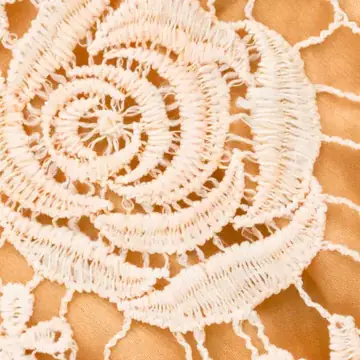
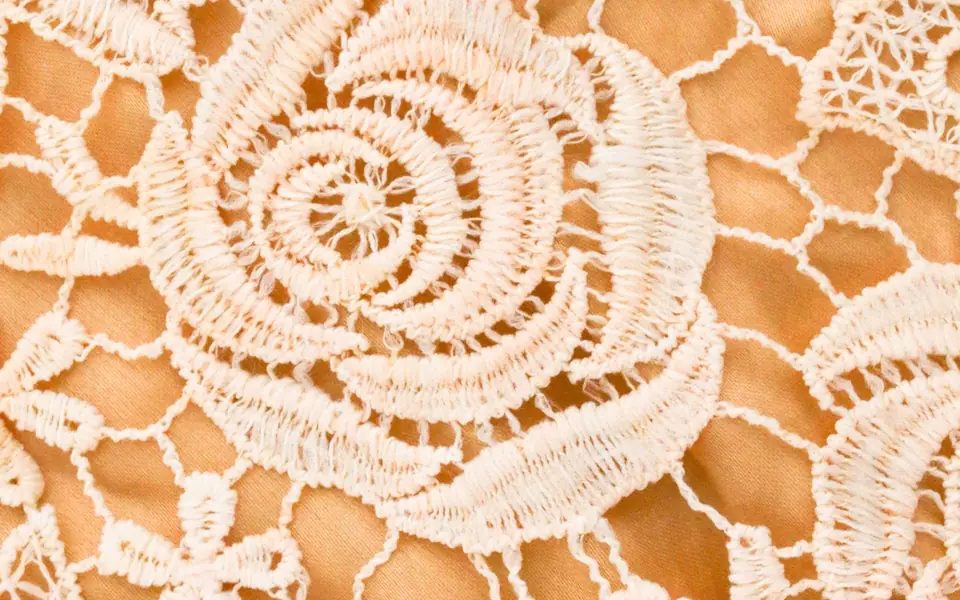
Close-up of cream corded floral lace over a peach cloth

Lace

Also sold as Chantilly lace, Guipure, Corded lace

For cuffs, necklines, yokes and full lace panels. Chantilly and corded lace sit on a fine net. Guipure has no net at all, only motifs joined by threads.

Fibre
Usually polyester with cotton or nylon, rarely silk
Weight
Not usually published
Finish
Open pattern
Cost of cloth
Mid-range
Breathability
4 out of 5
Drape
3 out of 5
Opacity
1 out of 5
Crease resistance
4 out of 5

Best for

Cuffs and necklinesFront and back yokesBridal and Eid pieces
Weak points, care and how to check it

Construction

Chantilly is soft and light. Corded lace is heavier, with raised outlines. Guipure is the heaviest and most structured, at about 100 to 210 GSM.

Watch out for

  • Most lace sold today is synthetic, whatever it looks like
  • Raw edges can scratch at the neck and wrists unless bound

Care

Hand wash cold or dry clean. Dry flat.

How to check it

Read the fibre content rather than assuming cotton. Look through it: if there is no net behind the motifs, it is guipure.

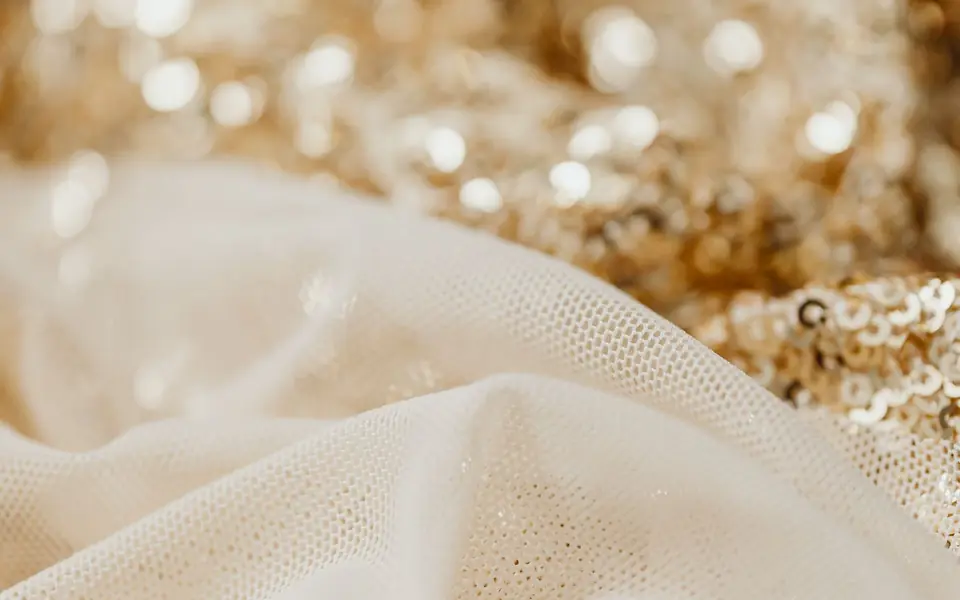
Sheer cream net laid over gold sequin fabric

Sequin and embroidered net

Also sold as Sequin mesh, Embroidered tulle

Tulle or net with sequins, beads or embroidery worked into it. It is the decorative layer on occasion and bridal abayas, usually over a plain base.

Fibre
Polyester or nylon net, with sequins or thread
Weight
Not usually published
Finish
Sparkle, uneven drape
Cost of cloth
Premium
Breathability
3 out of 5
Drape
2 out of 5
Opacity
2 out of 5
Crease resistance
4 out of 5

Best for

Sleeves and capesBodice overlaysKaftans and bridal pieces
Weak points, care and how to check it

Construction

A sheer net base with decoration stitched on, scattered or in placed motifs. Weight and drape change wherever the decoration sits.

Watch out for

  • Cut edges shed sequins unless they are bound
  • Heavy, scratchy areas on long wear

Care

Dry clean, or hand wash cold inside out. Never iron over sequins.

How to check it

Sequins and beads should be stitched on, not glued. Run a hand over it: glued ones feel stiff and can crack or drop off.

05 · 7 fabrics

Natural and plant-based

The fabrics that breathe best in real heat. Linen, cotton and denim are natural fibres. Viscose, lyocell and cupro are made from wood or cotton pulp. All of them crease and shrink more than polyester, so ask whether the cloth is pre-shrunk.

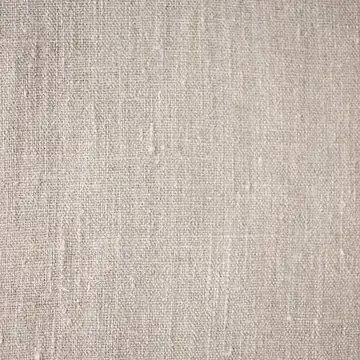
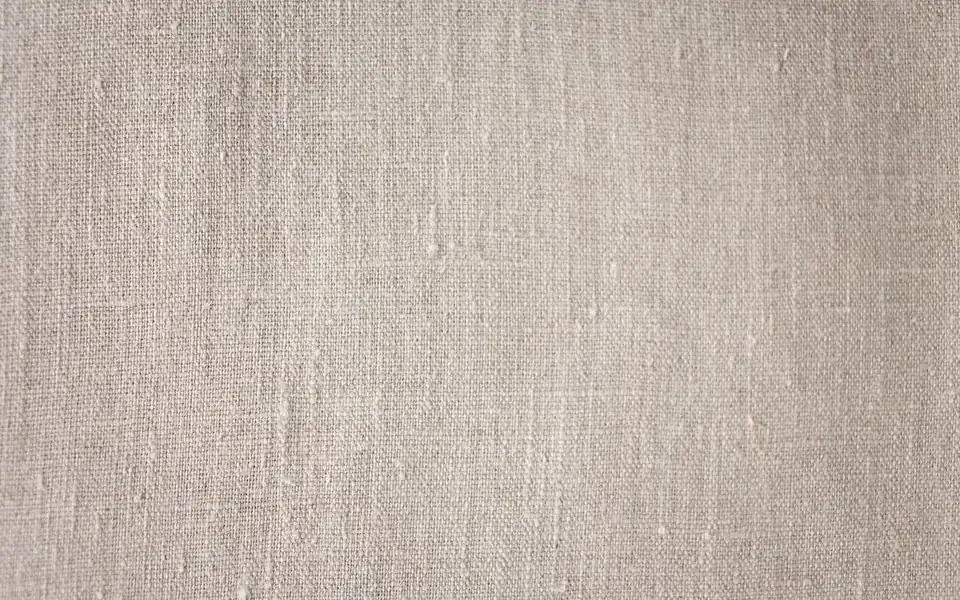
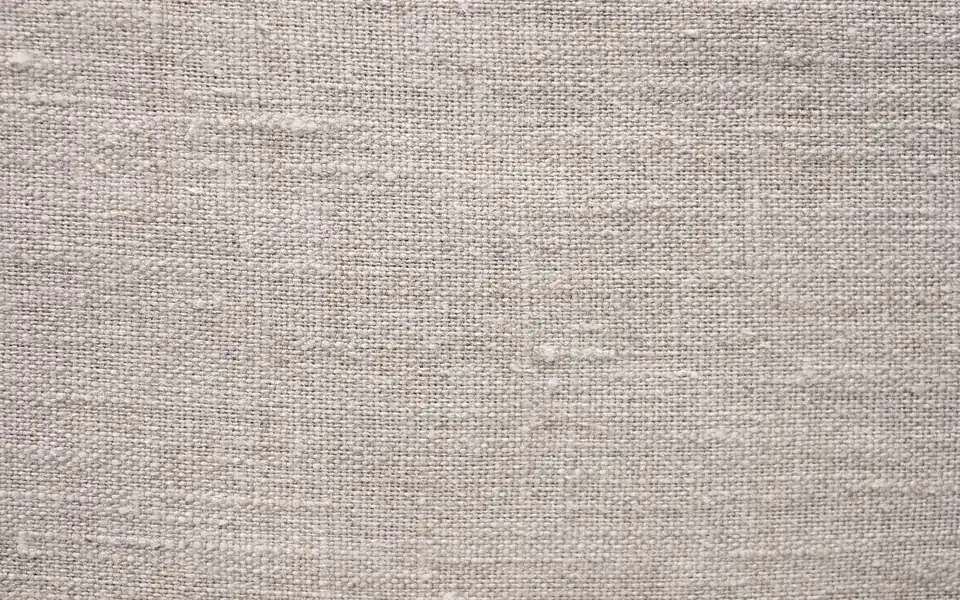
Macro close-up of natural beige linen with visible slubs

Linen

Also sold as Pure linen, Flax

The coolest fabric for real heat. It lets air through and dries fast, but it creases easily and can show through in white or beige.

Fibre
100% linen (flax)
Weight
140–200 GSM
Finish
Matte, slubby
Cost of cloth
Mid-range
Breathability
5 out of 5
Drape
2 out of 5
Opacity
3 out of 5
Crease resistance
1 out of 5

Best for

Summer abayasRelaxed, loose cutsEveryday wear in heat
Weak points, care and how to check it

Construction

A plain weave from thick, uneven flax fibres, which give linen its slubby surface.

Watch out for

  • Creases within the hour
  • Pale shades under 140 GSM can show through
  • Many abayas sold as linen are mostly polyester

Care

Machine or hand wash, cool to warm. Iron on high while slightly damp, or steam.

How to check it

Real linen is slubby and uneven and reflects light unevenly. A thread burns like paper and leaves ash. In the EU a fabric can only be sold as linen if it is at least 85% linen.

Close-up of rough natural linen in a rustic beige toneIllustrative: pure linen

Linen blend

Also sold as Linen viscose, Linen cotton

Linen mixed with viscose or cotton. Softer, drapier and less creased than pure linen, while keeping most of its airy feel.

Fibre
Linen with viscose or cotton, in varying amounts
Weight
Not usually published
Finish
Matte, soft
Cost of cloth
Mid-range
Breathability
4 out of 5
Drape
3 out of 5
Opacity
3 out of 5
Crease resistance
2 out of 5

Best for

Summer ranges that must look neatStructured cuts and embroideryEveryday wear
Weak points, care and how to check it

Construction

A woven blend. The mix varies a lot between mills. Linen-look polyester is a different product, with little or no linen in it.

Watch out for

  • Blend is sometimes used for fabric that is mostly polyester
  • Needs a gentler wash than pure linen, because of the viscose

Care

Gentle wash in cool water. Iron on a medium setting.

How to check it

Ask for the exact percentages in writing, for example 55% linen and 45% viscose. Linen blend on its own is not a specification.

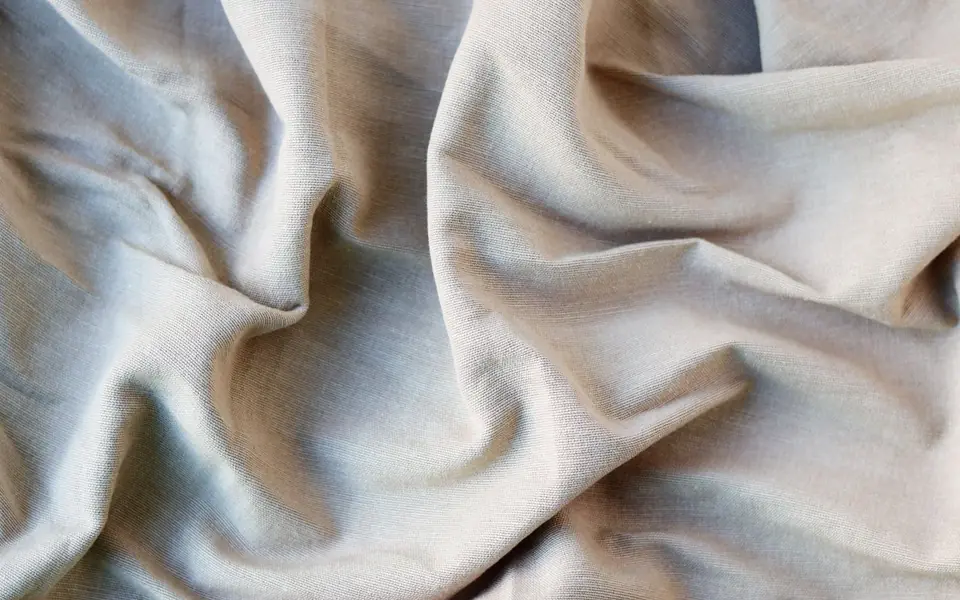
Draped light brown fine woven cotton in soft folds

Cotton

Also sold as Poplin, Lawn, Voile

Soft, breathable and easy to live with. It creases less than linen, covers better and costs less, which makes it a safe everyday summer choice.

Fibre
100% cotton
Weight
100–140 GSM
Finish
Matte
Cost of cloth
Budget
Breathability
4 out of 5
Drape
2 out of 5
Opacity
3 out of 5
Crease resistance
2 out of 5

Best for

Everyday and casual abayasLong days in heatEmbroidery, on poplin
Weak points, care and how to check it

Construction

Woven. Poplin is tight and opaque. Lawn and voile are lighter and can be semi-sheer.

Watch out for

  • Can shrink 3 to 5% on a first hot wash unless pre-shrunk
  • Lawn and voile show through in pale colours

Care

Machine wash cool to warm. Iron on medium to high.

How to check it

Ask whether the cloth is pre-shrunk. Wash a measured swatch before you order and measure it again.

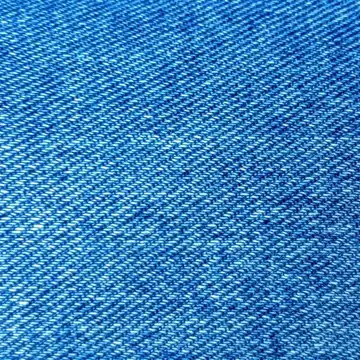
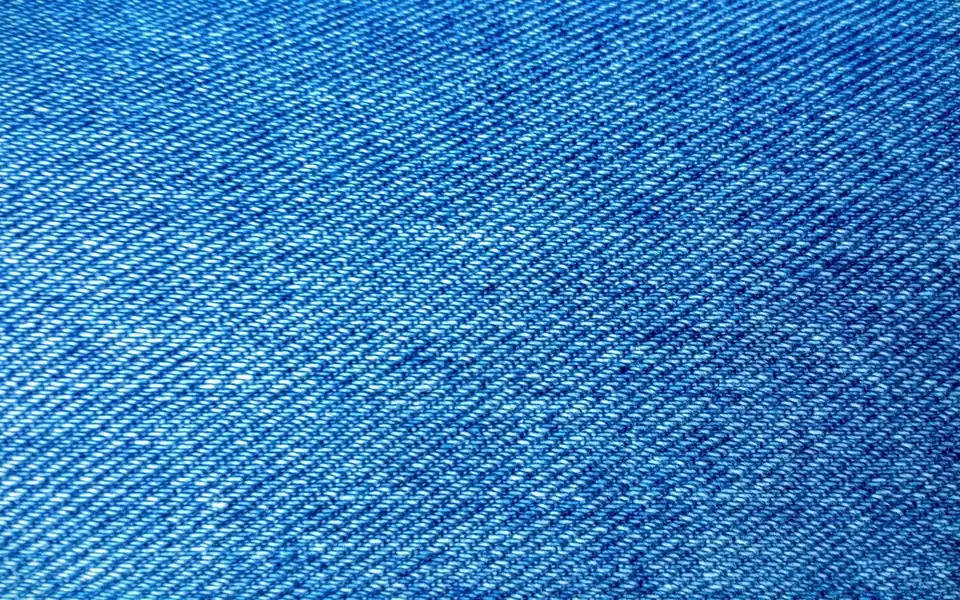
Close-up of blue denim showing the diagonal twill weave

Denim and chambray

Light cotton denim and chambray for casual abayas. A real trend in modest streetwear, finished with patch pockets and topstitching rather than fine embroidery.

Fibre
Usually 100% cotton
Weight
125–200 GSM
Finish
Matte
Cost of cloth
Budget
Breathability
3 out of 5
Drape
2 out of 5
Opacity
5 out of 5
Crease resistance
3 out of 5

Best for

Casual and streetwear abayasFront-open styles with pocketsTopstitched details
Weak points, care and how to check it

Construction

Denim is a twill with a diagonal rib and a paler back. Chambray is a plain weave, the same colour on both sides and softer.

Watch out for

  • Heavier to air-freight than light fabrics
  • Too warm for peak summer daywear
  • New indigo can rub off on paler clothes

Care

Machine wash cold, inside out, with dark colours. Medium iron.

How to check it

Ask for the weight in GSM or ounces. Abaya denim is shirt weight, far lighter than jeans denim.

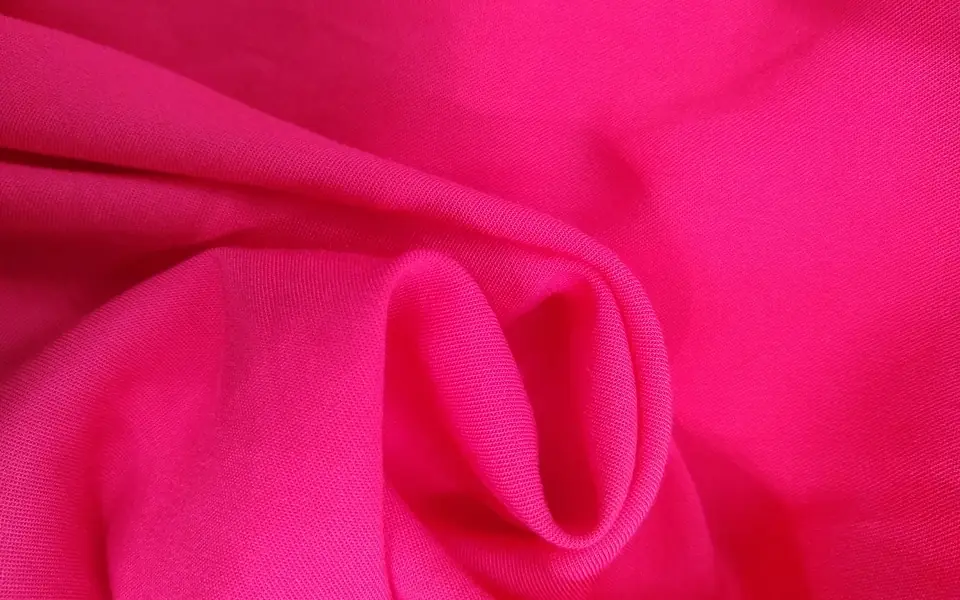
Pink rayon challis swirled to show its drape

Viscose

Also sold as Rayon, Viscose crepe, Challis

A plant-based fibre made from wood pulp, with a soft, fluid drape close to silk at a far lower price. It breathes well but can shrink and pill.

Fibre
100% viscose, or blended with polyester
Weight
120–220 GSM
Finish
Soft, low sheen
Cost of cloth
Budget
Breathability
4 out of 5
Drape
5 out of 5
Opacity
3 out of 5
Crease resistance
2 out of 5

Best for

Flowing everyday abayasPrintsWarm, humid markets
Weak points, care and how to check it

Construction

Regenerated cellulose, woven as crepe or smooth challis. Rayon is the US name for the same fibre. Bamboo fabric is usually viscose made from bamboo pulp.

Watch out for

  • Shrinks 3 to 5% normally, and up to 25% if not pre-shrunk and washed hot
  • Pills with friction
  • Weak when wet

Care

Hand wash cold or a gentle cycle. No tumble dryer. Dry flat or hang. Medium iron.

How to check it

Ask in writing whether the fabric is pre-shrunk or heat-set. A thread burns like paper, with no melting.

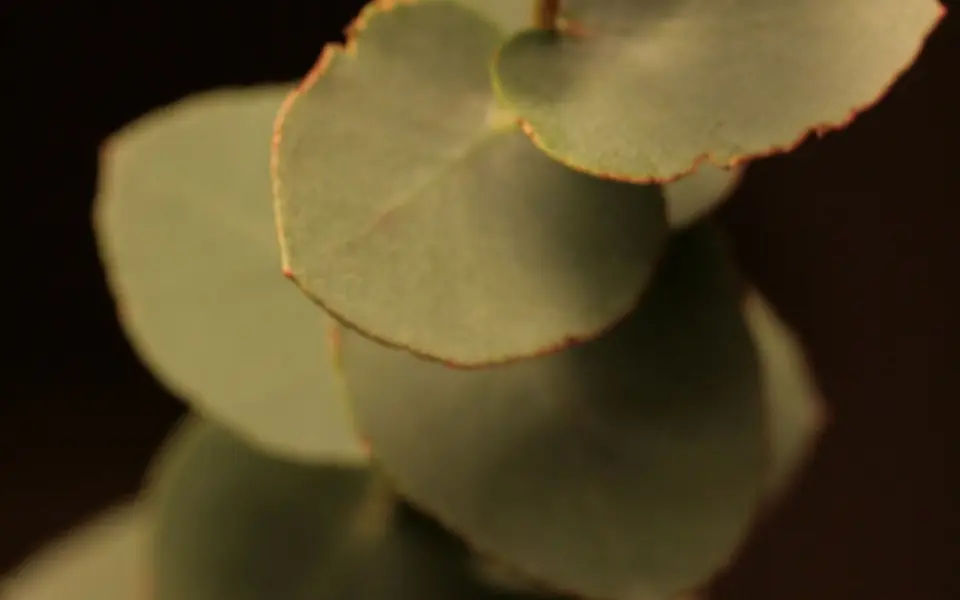
Eucalyptus leaves on a stem against a dark backgroundIllustrative: eucalyptus, one source of lyocell pulp

Lyocell (Tencel)

Also sold as Tencel, TENCEL Lyocell

The tougher, steadier cousin of viscose. It drapes softly, creases little, handles sweat well and is made in a closed-loop process that recovers over 99% of its solvent.

Fibre
100% lyocell, or blends
Weight
Not usually published
Finish
Soft, peachy
Cost of cloth
Premium
Breathability
4 out of 5
Drape
5 out of 5
Opacity
3 out of 5
Crease resistance
3 out of 5

Best for

Premium summer linesSustainability-led brandsSoft everyday abayas
Weak points, care and how to check it

Construction

Regenerated cellulose from eucalyptus, beech or spruce pulp. TENCEL is a brand name used for both lyocell and modal, so ask which one you are getting.

Watch out for

  • Costs more than viscose
  • The name Tencel alone does not say whether it is lyocell or modal

Care

Gentle machine wash, cool. Low to medium iron.

How to check it

Genuine TENCEL fabric usually carries the trademark on the selvedge or the mill tag. Ask for the fibre certificate if the brand name matters to your customers.

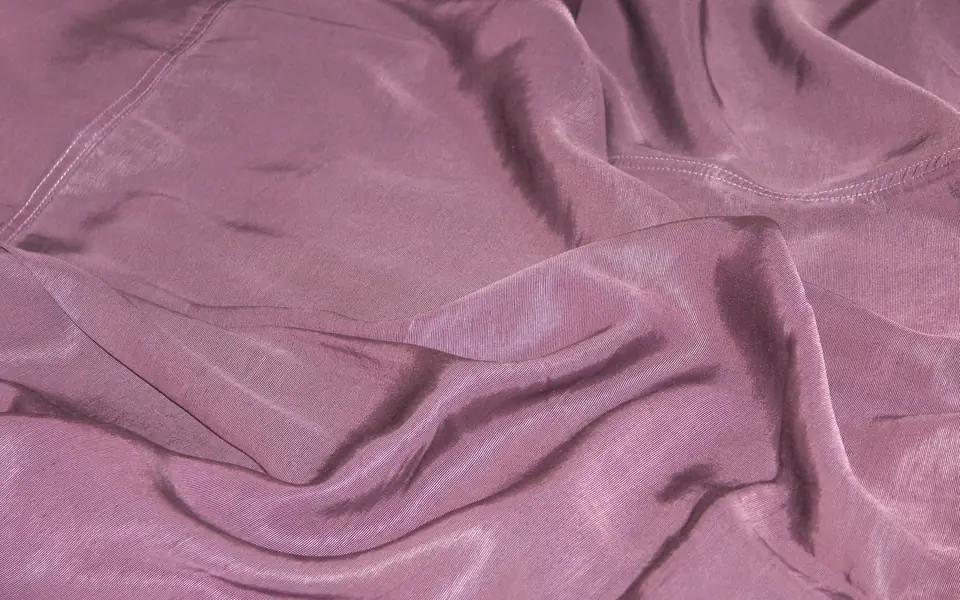
Mauve cupro fabric with a soft sheen in draped folds

Cupro

Also sold as Bemberg, Cupro lining

A smooth, silky lining made from cotton waste. It stops a lined abaya clinging with static and feels cool against the skin.

Fibre
Cupro, a regenerated cellulose
Weight
Not usually published
Finish
Lustrous
Cost of cloth
Mid-range
Breathability
4 out of 5
Drape
5 out of 5
Opacity
3 out of 5
Crease resistance
3 out of 5

Best for

Linings under chiffon and laceInner slipsAnti-static linings
Weak points, care and how to check it

Construction

Made from the short cotton fibres left on the seed after ginning. Used almost only as a lining in abayas and kaftans.

Watch out for

  • Shrinks noticeably, so it must be pre-washed before cutting

Care

Gentle wash, cool. Low iron.

How to check it

It should feel smooth and cool, with faint vertical streaks under light. Ask whether the roll has been pre-shrunk.

06 · 3 fabrics

Knits

Knits stretch, so they need no ironing and forgive sizing. They are sewn with overlock seams and stretch stitches, and they are not a base for heavy stone work, because the stretch pulls it out of shape.

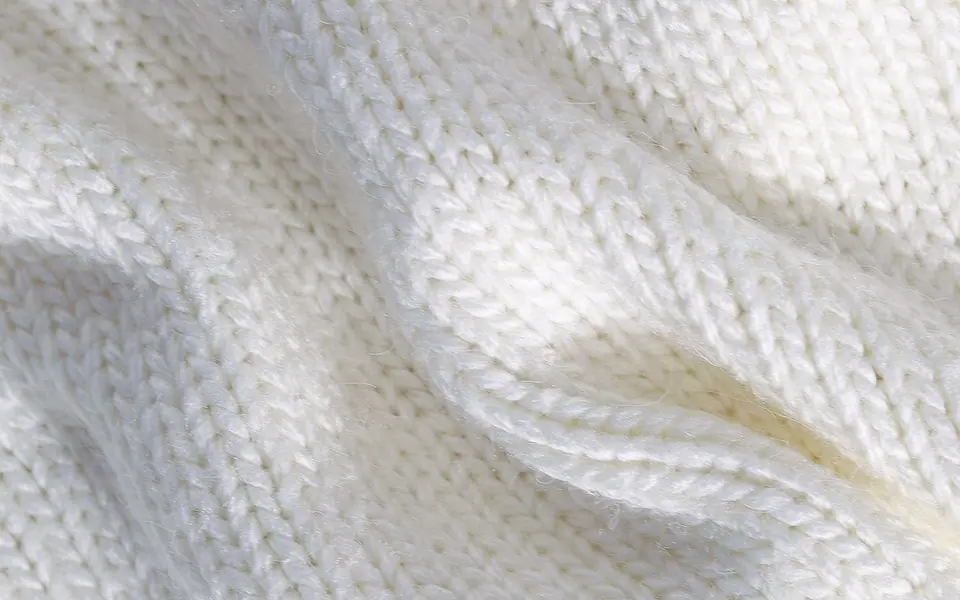
Close-up of soft white knit fabric in foldsIllustrative: knit fabric, heavier yarn than abaya jersey

Jersey

Also sold as Travel jersey, Umrah jersey

A soft, stretchy knit that needs no ironing and forgives sizing. The most comfortable choice for travel, Umrah and long days.

Fibre
Polyester, viscose, cotton or blends such as 65% polyester, 35% viscose
Weight
150–250 GSM
Finish
Matte
Cost of cloth
Budget
Breathability
3 out of 5
Drape
4 out of 5
Opacity
4 out of 5
Crease resistance
5 out of 5

Best for

Travel and Umrah abayasEveryday wearOnline ranges where fit returns are a worry
Weak points, care and how to check it

Construction

A single knit, not a weave. The stretch comes from the knitted loops, usually with little or no spandex.

Watch out for

  • Polyester jersey pills under the arms and where a bag strap sits
  • Not a base for heavy embroidery or stone work
  • Needs overlock seams and stretch stitching

Care

Machine wash cold. Dry flat or hang. It rarely needs ironing.

How to check it

Stretch it and let go. Good jersey snaps back straight away. Look for tight, even loops with no thin patches.

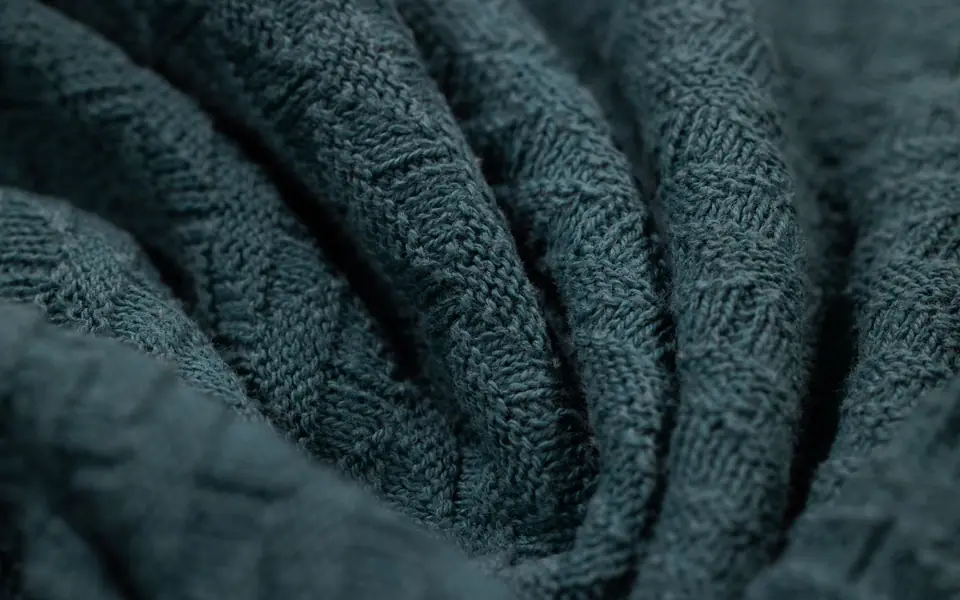
Close-up of teal knitted fabric in soft foldsIllustrative: knit fabric

Scuba and ponte

Also sold as Double knit, Ponte roma

Thick double knits that hold their shape like a woven but still stretch. Used for structured and winter abayas rather than soft, flowing ones.

Fibre
Polyester with spandex. Ponte is often viscose, nylon and spandex
Weight
Not usually published
Finish
Smooth, matte
Cost of cloth
Mid-range
Breathability
1 out of 5
Drape
2 out of 5
Opacity
5 out of 5
Crease resistance
5 out of 5

Best for

Structured winter abayasFitted underlayersBlazer-style cuts
Weak points, care and how to check it

Construction

Two layers knitted together at once. Scuba is smooth and a little spongy. Ponte is firmer, with a subtle sheen. Scuba is sold by thickness more often than by GSM.

Watch out for

  • Too warm for Gulf daytime heat
  • Bulky seams, hard to gather or pleat
  • Heavier to ship than jersey

Care

Machine wash cold. No ironing needed.

How to check it

Ask whether it is a double knit and what the spandex content is. Scuba-look fabric with no spandex does not spring back the same way.

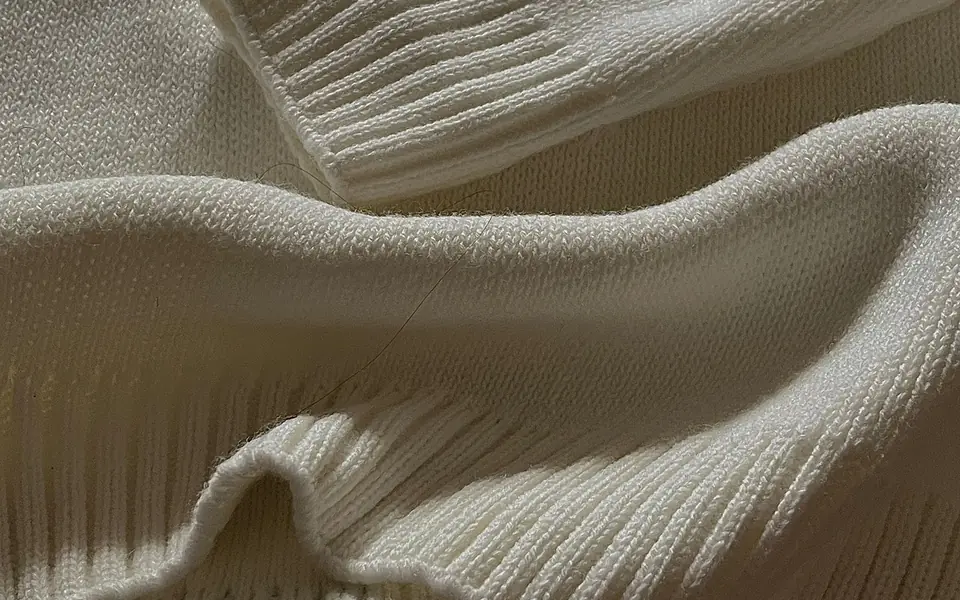
Close-up of a cream ribbed knit with clear vertical ribs

Rib knit

Also sold as Ribbed knit

A knit with raised vertical ribs that stretches well across the body and feels warm. Popular for high-neck and turtleneck winter abayas.

Fibre
Viscose and nylon blends, or polyester
Weight
Not usually published
Finish
Matte, ribbed
Cost of cloth
Budget
Breathability
3 out of 5
Drape
3 out of 5
Opacity
4 out of 5
Crease resistance
5 out of 5

Best for

High-neck winter abayasCasual everyday wearFlared-sleeve styles
Weak points, care and how to check it

Construction

Alternating columns of knit and purl stitches form the ribs. Denser and warmer than plain jersey.

Watch out for

  • Cuffs and hems can stretch out with wear
  • Seam finishes show on the ribs unless matched

Care

Machine wash cold on gentle. Dry flat to keep the shape.

How to check it

Stretch it across the width. The ribs should be even and spring back fast.

07 · 6 fabrics

Winter and occasion weaves

Heavier cloth for cold markets and evening wear. Most of these need more care and cost more to air-freight. For warmth without the weight, many winter abayas use a lighter shell with a fleece lining instead.

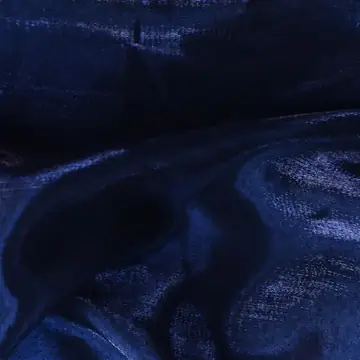
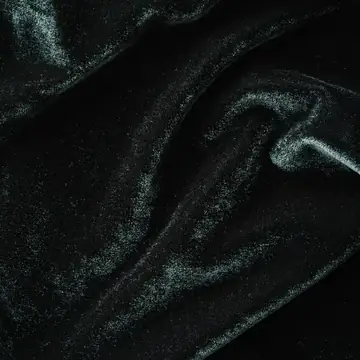
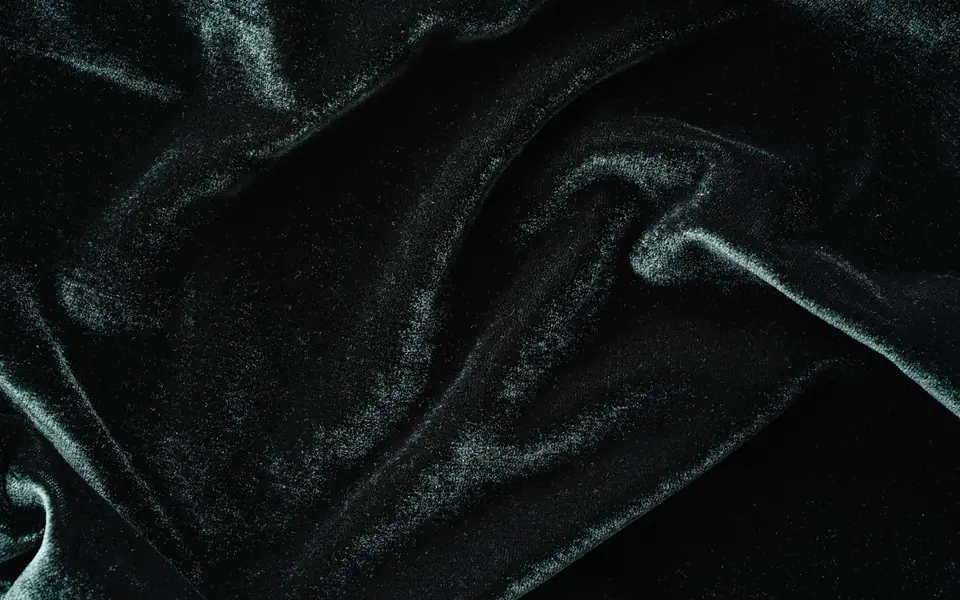
Close-up of dark teal velvet with visible pile and sheen

Velvet

Also sold as Stretch velvet, Crushed velvet, Velour

A soft pile fabric with a sheen that changes with the light. The richest winter and evening fabric, and a classic base for heavy embroidery and stone work.

Fibre
Usually polyester, often with 4–10% spandex. Silk velvet is rare and costly
Weight
220–285 GSM
Finish
Shifting sheen
Cost of cloth
Premium
Breathability
1 out of 5
Drape
4 out of 5
Opacity
5 out of 5
Crease resistance
3 out of 5

Best for

Winter and evening abayasZardozi, stone work and heavy embroideryEid and weddings
Weak points, care and how to check it

Construction

Short, dense cut fibres stand up from a backing. Crushed velvet has the pile pressed in different directions for a broken shine.

Watch out for

  • The pile crushes if it is folded, sat on or ironed
  • Every panel must be cut with the pile running the same way, which costs more fabric and time
  • Warm, and best dry cleaned

Care

Dry clean. Never iron directly. Steam from a distance and hang on a wide, padded hanger.

How to check it

Stroke the pile both ways. The colour should shift from light to dark. A printed velvet-look knit will not change.

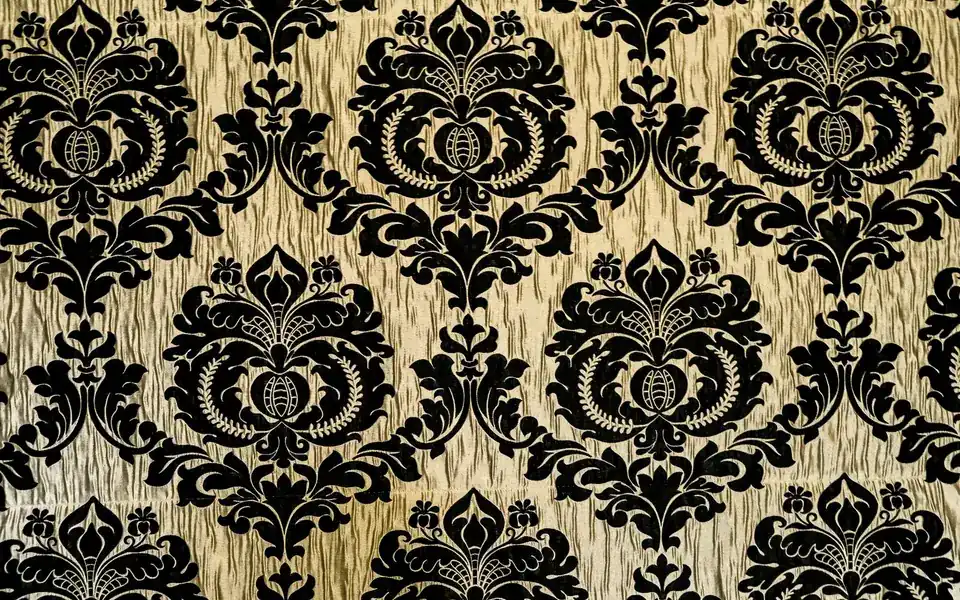
Close-up of a black damask pattern woven on a cream ground

Jacquard

A fabric with its pattern woven in, not printed on. It holds its shape, keeps its colour through washing and suits occasion and winter pieces.

Fibre
Polyester, polyester and viscose, or blends. Some are stretch jacquards
Weight
Not usually published
Finish
Woven pattern
Cost of cloth
Premium
Breathability
2 out of 5
Drape
3 out of 5
Opacity
5 out of 5
Crease resistance
4 out of 5

Best for

Occasion abayasWinter collectionsSimple cuts that need interest
Weak points, care and how to check it

Construction

Woven on a jacquard loom that lifts each warp thread on its own. The pattern sits flush and shows in reverse on the back.

Watch out for

  • Large pattern repeats waste fabric at cutting
  • A custom pattern usually needs 500 to 1,000 metres

Care

Gentle cold wash or dry clean.

How to check it

Turn it over. A true jacquard shows the pattern on the back too, often in reverse colours. A print has a plain back.

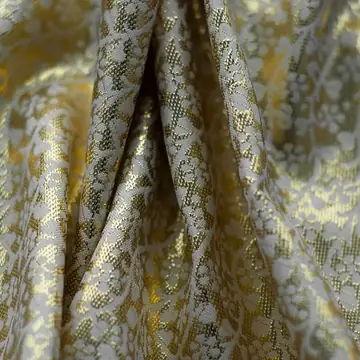
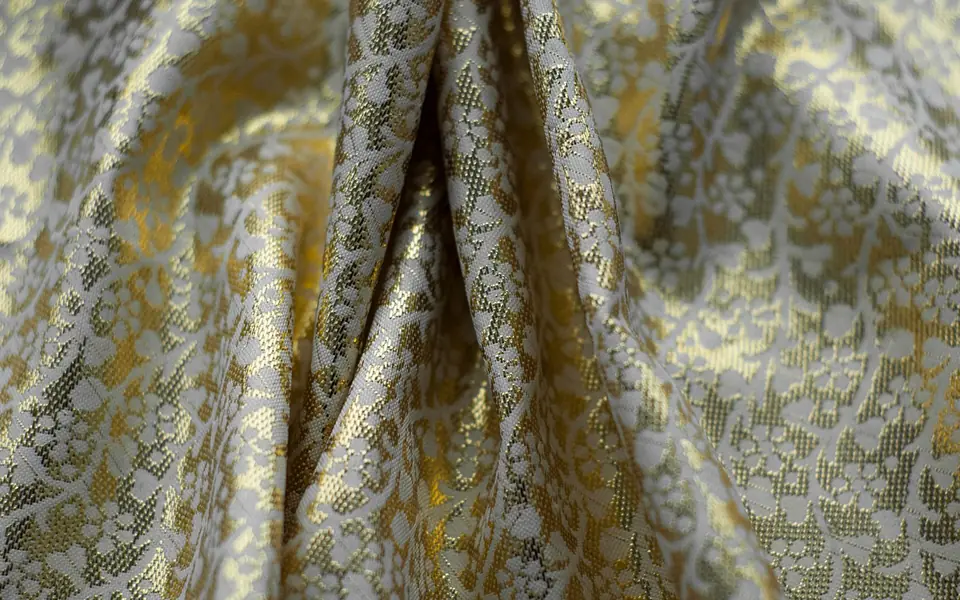
Close-up of gold and cream floral brocade with metallic thread

Brocade

A heavy, stiff jacquard with a raised pattern, often in metallic thread. Used for festive pieces, panels and jackets, and a classic base for dense embroidery.

Fibre
Usually polyester with metallic yarn
Weight
Not usually published
Finish
Raised, metallic
Cost of cloth
Premium
Breathability
1 out of 5
Drape
1 out of 5
Opacity
5 out of 5
Crease resistance
4 out of 5

Best for

Festive and Eid piecesPanels, jackets and setsDense embroidery
Weak points, care and how to check it

Construction

Extra weft threads float over the surface to raise the pattern. All brocade is jacquard, but not all jacquard is brocade.

Watch out for

  • Floats on the surface can snag
  • Too stiff for flowing styles
  • Heavy to ship

Care

Dry clean, to protect the metallic yarn.

How to check it

Look at the back: brocade has a clear wrong side with loose thread floats. The gold should be a real metallic yarn, not a print that will crack.

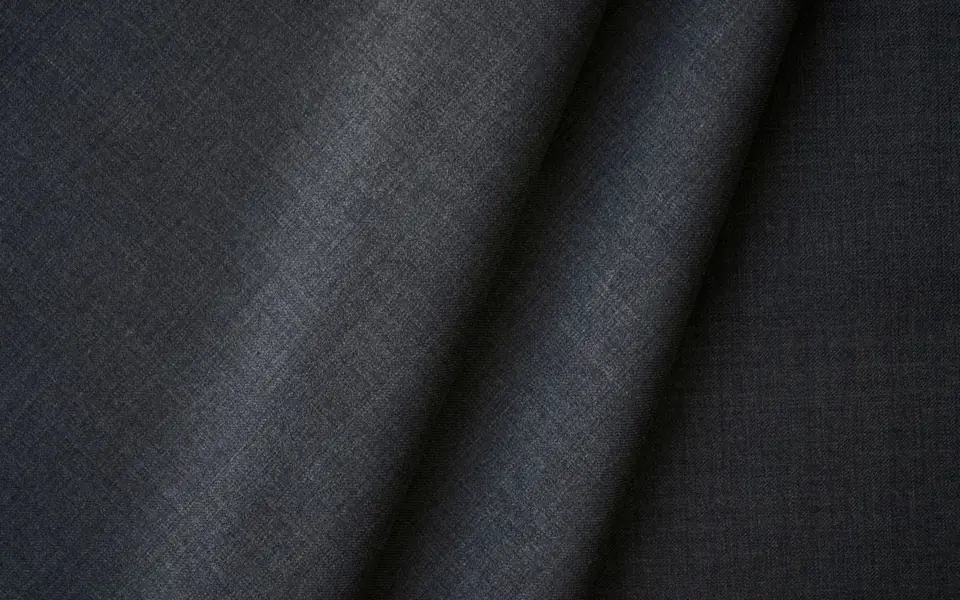
Close-up of charcoal grey woven suiting fabric

Wool blend

Also sold as Wool crepe, Wool-look suiting

Wool mixed with polyester or viscose for a warm, breathable winter abaya. It suits tailored, coat-style abayas better than soft, flowing ones.

Fibre
Wool with polyester or viscose, for example 70% wool, 30% polyester
Weight
About 225 GSM
Finish
Matte
Cost of cloth
Premium
Breathability
3 out of 5
Drape
3 out of 5
Opacity
5 out of 5
Crease resistance
4 out of 5

Best for

Coat-style abayasTailored winter piecesCold-climate markets
Weak points, care and how to check it

Construction

Woven crepe or suiting. Fabric sold as wool-look suiting can contain no wool at all.

Watch out for

  • Wool-look names can mean no wool
  • Wool can shrink badly if washed warm
  • Heavy to air-freight

Care

Dry clean, or hand wash cold and dry flat. Steam out creases.

How to check it

Ask for the wool percentage in writing. The warmth comes from the wool, not the name.

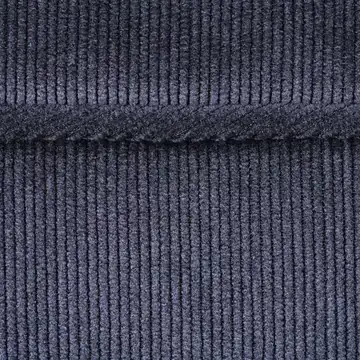
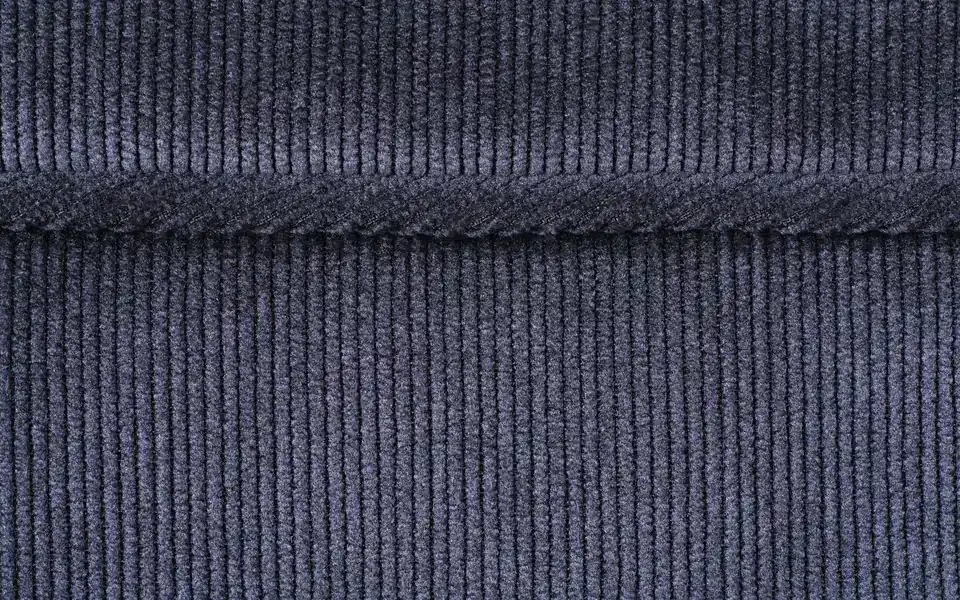
Close-up of blue corduroy showing parallel ribs

Corduroy

Also sold as Cord, Needlecord

A cotton or cotton-blend cloth with raised ribs called wales. Soft, warm and casual, popular for autumn and winter abayas with pockets and relaxed cuts.

Fibre
Cotton or cotton blends
Weight
200–340 GSM
Finish
Ribbed pile
Cost of cloth
Budget
Breathability
3 out of 5
Drape
2 out of 5
Opacity
5 out of 5
Crease resistance
3 out of 5

Best for

Casual winter abayasRelaxed cuts with pocketsAbaya sets
Weak points, care and how to check it

Construction

A woven cut-pile fabric. Needlecord has more, narrower ribs. Standard corduroy has 8 to 11 ribs per inch.

Watch out for

  • The pile flattens at elbows and seat with wear
  • Panels must be cut one way or the colour shifts between them

Care

Gentle wash, inside out. Air dry. Steam lightly.

How to check it

Count the ribs per inch to check you got the grade you ordered. The base cloth behind the pile should be tight.

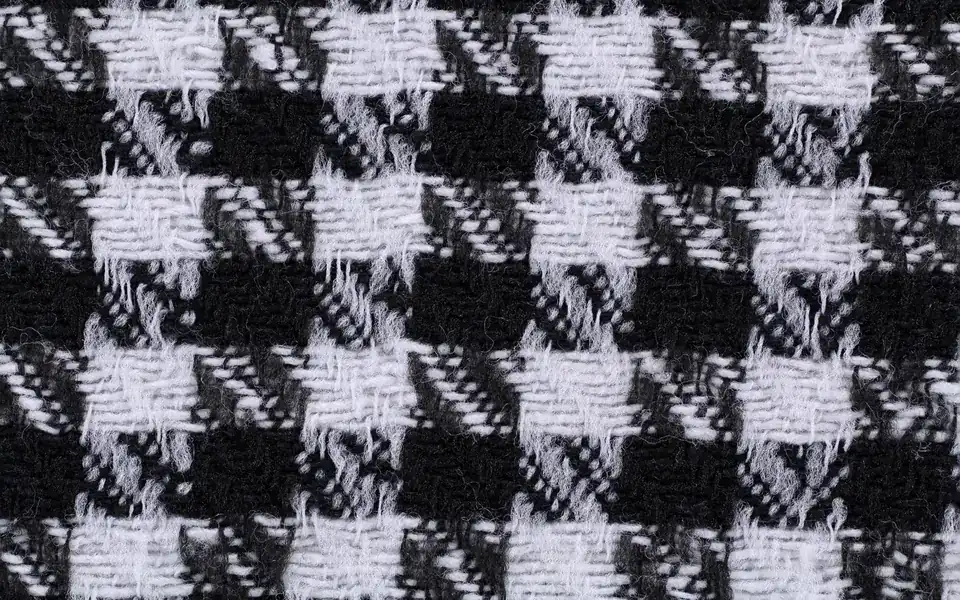
Close-up of black and white houndstooth woven fabric

Tweed

Also sold as Bouclé, Houndstooth

A rough, textured, flecked wool or wool-blend cloth. Structured and warm, used for coat-style and between-season abayas.

Fibre
Wool blended with acrylic, polyester or viscose
Weight
245–550 GSM
Finish
Rough, flecked
Cost of cloth
Mid-range
Breathability
3 out of 5
Drape
2 out of 5
Opacity
5 out of 5
Crease resistance
4 out of 5

Best for

Coat-style abayasBetween seasonsStructured, tailored cuts
Weak points, care and how to check it

Construction

Woven from coarse, textured yarns. Bouclé uses looped yarns. The name describes a texture, not a fibre.

Watch out for

  • Acrylic-heavy tweeds pill faster and are less warm
  • Checks must be matched at the seams when cutting

Care

Dry clean or spot clean.

How to check it

Ask for the fibre percentages. Tweed and bouclé describe a look, not a fibre.

( Side by side )

All 38 abaya fabrics compared

Scores run from one to five and compare abaya fabrics with each other. Weights are typical market ranges. Any one roll can sit outside them, which is why we give the GSM of the actual cloth on every quote.

Abaya fabrics by fibre, weight, breathability, drape, opacity, crease resistance, season and cost.
FabricFibreWeight (GSM)BreathabilityDrapeOpacityCrease resistanceSeasonCost
Nida100% polyester, sometimes with a little spandex115–1802 out of 54 out of 54 out of 54 out of 5All year, best with air conditioningBudget
Korean Nida100% polyester90–1203 out of 55 out of 53 out of 54 out of 5All year, lighter for warm weatherMid-range
Formal Nida100% polyester115–1502 out of 54 out of 55 out of 54 out of 5Cooler months and eveningsMid-range
ZoomPolyester, sometimes with spandexAbout 1603 out of 53 out of 54 out of 55 out of 5All year, everyday wearBudget
YoryuPolyester, viscose or silk, depending on the seller60–1604 out of 54 out of 52 out of 55 out of 5Warm weather, layeredMid-range
Poka100% polyester115–1502 out of 52 out of 54 out of 54 out of 5All yearBudget
CrepeMostly polyester, sometimes with a little spandex120–2203 out of 54 out of 54 out of 55 out of 5All year, lighter weights for summerBudget
Moss crepe100% polyester75–1753 out of 54 out of 53 out of 54 out of 5All yearBudget
Barbie crepeAbout 92–96% polyester, 4–8% spandexVaries2 out of 54 out of 55 out of 54 out of 5Cooler monthsBudget
Satin crepePolyester or silkAbout 1502 out of 54 out of 55 out of 54 out of 5All year, indoors and eveningsMid-range
SatinPolyester, often with 2–10% spandex in stretch satin60–1201 out of 55 out of 53 out of 54 out of 5Evenings and indoor eventsBudget
Duchess satinPolyester or silk180–2801 out of 52 out of 55 out of 53 out of 5Cooler months and formal eventsMid-range
Armani silkAbout 92–97% polyester, 3–8% spandexVaries1 out of 54 out of 54 out of 55 out of 5Indoors and eveningsBudget
Medina silkUsually polyester. A few sellers offer silk or silk-blend versionsAbout 1902 out of 54 out of 55 out of 54 out of 5All yearMid-range
Crepe de chineSilk, or polyester in cheaper versions65–1103 out of 55 out of 52 out of 53 out of 5Warm weather, linedMid-range
Silk100% silk80–1304 out of 55 out of 53 out of 52 out of 5All yearPremium
ChiffonUsually 100% polyester. Silk chiffon costs more than twice as much40–1105 out of 55 out of 51 out of 53 out of 5Summer and occasion layersBudget
GeorgettePolyester, or silk in premium versionsVaries4 out of 54 out of 52 out of 54 out of 5All year as a layerBudget
OrganzaPolyester, or silk in premium versions15–353 out of 51 out of 51 out of 53 out of 5Occasion wearBudget
Tulle and netPolyester or nylon12–605 out of 53 out of 51 out of 54 out of 5Occasion layersBudget
LaceUsually polyester with cotton or nylon, rarely silkVaries4 out of 53 out of 51 out of 54 out of 5Occasion wearMid-range
Sequin and embroidered netPolyester or nylon net, with sequins or threadVaries3 out of 52 out of 52 out of 54 out of 5Eid, weddings and eveningsPremium
Linen100% linen (flax)140–2005 out of 52 out of 53 out of 51 out of 5Summer, Gulf and Southeast AsiaMid-range
Linen blendLinen with viscose or cotton, in varying amountsVaries4 out of 53 out of 53 out of 52 out of 5SummerMid-range
Cotton100% cotton100–1404 out of 52 out of 53 out of 52 out of 5Summer, long daysBudget
Denim and chambrayUsually 100% cotton125–2003 out of 52 out of 55 out of 53 out of 5Cooler months and air conditioningBudget
Viscose100% viscose, or blended with polyester120–2204 out of 55 out of 53 out of 52 out of 5Summer and humid climatesBudget
Lyocell (Tencel)100% lyocell, or blendsVaries4 out of 55 out of 53 out of 53 out of 5Summer and humid climatesPremium
CuproCupro, a regenerated celluloseVaries4 out of 55 out of 53 out of 53 out of 5All year, as a liningMid-range
JerseyPolyester, viscose, cotton or blends such as 65% polyester, 35% viscose150–2503 out of 54 out of 54 out of 55 out of 5All year, travelBudget
Scuba and pontePolyester with spandex. Ponte is often viscose, nylon and spandexVaries1 out of 52 out of 55 out of 55 out of 5Winter and cool climatesMid-range
Rib knitViscose and nylon blends, or polyesterVaries3 out of 53 out of 54 out of 55 out of 5Autumn and winterBudget
VelvetUsually polyester, often with 4–10% spandex. Silk velvet is rare and costly220–2851 out of 54 out of 55 out of 53 out of 5Winter evenings and occasionsPremium
JacquardPolyester, polyester and viscose, or blends. Some are stretch jacquardsVaries2 out of 53 out of 55 out of 54 out of 5Winter and eveningsPremium
BrocadeUsually polyester with metallic yarnVaries1 out of 51 out of 55 out of 54 out of 5Festive and winterPremium
Wool blendWool with polyester or viscose, for example 70% wool, 30% polyesterAbout 2253 out of 53 out of 55 out of 54 out of 5Winter: UK, Europe, North AmericaPremium
CorduroyCotton or cotton blends200–3403 out of 52 out of 55 out of 53 out of 5Autumn and winterBudget
TweedWool blended with acrylic, polyester or viscose245–5503 out of 52 out of 55 out of 54 out of 5Autumn to spring, cold climatesMid-range

( Fabric weight )

What GSM means, and what it does not tell you

GSM is grams per square metre. It is the weight of one square metre of the cloth. A higher number means a heavier fabric, and usually a warmer, more opaque one.

To measure it, cut a 10 by 10 cm square from a swatch and weigh it on a scale that reads to 0.1 g, such as a jewellery scale. Multiply the grams by 100, so a square weighing 1.6 g is a 160 GSM fabric. Cut three or four squares and take the average.

Weight is not the whole story. A tightly woven 120 GSM crepe can be less see-through than a loosely woven 150 GSM one, and pale colours need more weight than black to cover as well. Trade names are no guide either: the same name can mean a very different weight from another mill. Compare GSM between swatches of the same kind of fabric, then hold each one up to the light.

Under 100 GSMLight and sheer. Chiffon, georgette, organza. Needs a lining or an inner slip.
100 to 160 GSMMost everyday and summer abayas. Korean Nida, lighter Nida, satin, cotton, linen.
Over 160 GSMMore drape and more warmth. Heavier Nida and crepe, jersey, velvet, wool blends.
Typical weight of each fabric, in GSM
  • Yoryu60–160
  • Korean Nida90–120
  • Nida115–180
  • Formal Nida115–150
  • Poka115–150
  • ZoomAbout 160
  • Moss crepe75–175
  • Crepe120–220
  • Satin crepeAbout 150
  • Satin60–120
  • Crepe de chine65–110
  • Silk80–130
  • Duchess satin180–280
  • Medina silkAbout 190
  • Tulle and net12–60
  • Organza15–35
  • Chiffon40–110
  • Cotton100–140
  • Viscose120–220
  • Denim and chambray125–200
  • Linen140–200
  • Jersey150–250
  • Corduroy200–340
  • Velvet220–285
  • Wool blendAbout 225
  • Tweed245–550
Nida and its trade namesCrepeSatin, silk and silk namesSheers and laceNatural and plant-basedKnitsWinter and occasion weaves

( Head to head )

The comparisons buyers ask us about most

These pairs get mixed up in listings and in conversation. Here is how they actually differ.

Nida vs Korean Nida

PointNidaKorean Nida
WeightUsually 120 to 160 GSMLighter, around 90 to 120 GSM
FeelSmooth and matte, holds its shapeFiner yarn, softer, drapes closer
CostLowerHigher per metre
OriginVaries by millSold as Korean, often woven elsewhere
Best forEveryday black abayas, volume linesBoutique lines and stone work

Choose Nida ifyou want a dependable everyday abaya at the best price, or a heavier drape.

Choose Korean Nida ifyou sell at a higher price and your customers notice softness and drape.

Crepe vs Nida

PointCrepeNida
SurfaceA fine grain you can feelSmooth and matte
CreasesHides them bestResists them well
ShapeHolds pleats and cuffsFalls in smooth straight lines
WeightWide range, 120 to 220 GSM115 to 180 GSM
Best forTravel, pleated and structured stylesEveryday wear and embellishment

Choose Crepe ifthe design has pleats, cuffs or structure, or it will live in a suitcase.

Choose Nida ifyou want the classic smooth black abaya that suits most customers.

Chiffon vs georgette

PointChiffonGeorgette
SurfaceSmoothGrainy
See-throughMoreLess
Weight40 to 110 GSM, most 60 to 80A step heavier
GripSlipperyGrips and pins well
Best forOccasion overlays, hot weatherEveryday layers and hijabs

Choose Chiffon ifyou want the lightest, floatiest layer for occasions or heat.

Choose Georgette ifyou want a layer that stands up to daily wear and shows less.

Armani silk vs real silk

PointArmani silkSilk
FibreAbout 95% polyester, 5% spandex100% silk
BreathingPoor, can feel hotBreathes, cool in heat
SheenEven, synthetic shineShifts as it moves
CareMachine washableHand wash or dry clean
Burn testMelts into a hard beadSmells of burnt hair, ash crumbles

Choose Armani silk ifyou want a glossy occasion look at a low price, with easy care.

Choose Silk ifyour customers pay for a natural fibre and will read the label.

Linen vs cotton

PointLinenCotton
BreathingThe coolest there isVery good
CreasesWithin the hourLess
CoverageCan show through in pale shadesBetter at the same weight
CostHigherLower
FakesOften faked with polyesterRarely faked

Choose Linen ifyour customers want the coolest fabric and like a relaxed, lived-in look.

Choose Cotton ifyou want a cheaper, neater summer abaya with fewer complaints.

Velvet vs wool blend

PointVelvetWool blend
LookRich, shifting sheenMatte and tailored
WarmthVery warm, traps heatWarm and breathable
CareDry clean, never ironDry clean or cold hand wash
CutSoft drapeTailored, coat-style
EmbroideryA classic base for heavy workUsed less

Choose Velvet ifit is for evenings, Eid or weddings in the cold months.

Choose Wool blend ifit is an everyday winter coat-abaya for a cold market.

( Before you order )

Six ways to check a fabric swatch at home

None of these needs a lab. Do them on a swatch or a sample piece before you commit to a full order, and keep the swatch to check the delivery against.

  1. The light test

    Hold one layer of the swatch up to a window or a phone torch and put your hand behind it. For a light colour, dampen one corner and look again.

    If you can see your fingers clearly, the fabric needs a lining or an inner slip. Damp cloth shows more than dry cloth, so test it both ways.

  2. The crush test

    Squeeze a corner hard in your fist for thirty seconds, then let go and smooth it once with your hand.

    This is how the abaya will look after a flight or a day in a bag. Crepe and Nida spring back. Linen keeps the creases.

  3. The stretch test

    Pull the swatch gently across its width, then along its length. Watch the surface while it is under tension.

    If the weave opens up or the colour turns paler, the fabric will show through at the elbows and seat, and may bag with wear.

  4. The rub test

    Fold the swatch and rub the two faces firmly together twenty times, or rub it against a pair of jeans.

    Fuzz or tiny balls now means pilling later, under the arms and wherever a handbag strap sits.

  5. The colour test

    Rub a damp white cloth firmly across the fabric ten times. Do it on black and dark colours in particular.

    Colour on the white cloth will come off in the wash and on to skin and other clothes. A clean cloth means the dye is well fixed.

  6. The burn test

    Hold a few threads or a small offcut in tweezers and touch it to a flame. Note how it burns, how it smells and what it leaves behind.

    Polyester melts into a hard bead and smells of chemicals. Silk smells of burnt hair and leaves ash that crumbles. Cotton, linen and viscose burn like paper.

Do the burn test outdoors or over a sink, on a small offcut held with tweezers, away from anything that can catch. Never test on a finished garment.

( Stocking a range )

Which fabrics to stock, by market and season

What sells depends on the weather your customers live in. This is where to start. Your own sales should decide the rest.

MarketClimateLead withWorth knowing
Gulf: UAE, Saudi Arabia, Qatar, Kuwait, Bahrain, OmanVery hot summers, mild winters, strong air conditioning indoorsNida and Korean Nida all year, crepe, linen for summer, satin and chiffon for occasionsAn abaya here goes from a hot street into a cold mall, so a medium weight is the safest everyday choice.
United Kingdom and IrelandCool and wet, with short, mild summersNida, crepe and jersey, then wool blends and velvet for winterThe finished abaya must carry a fibre content label in English. A trade name such as Nida is not enough on its own.
EuropeCold winters and warm, short summersCrepe, jersey and Nida, with heavier coat-style abayas for winterEU rules require the legal fibre name, such as polyester, with percentages, on every garment.
United States and CanadaAnything from humid heat in the south to hard winters in the northNida and jersey for everyday, linen for summer, crepe for travelUS labels need the fibre content, the country of origin and the name or RN number of the company selling it.
Southeast Asia: Malaysia, Indonesia, Singapore, BruneiHot and humid all yearLight Korean Nida, linen and viscose blends, chiffon layers over a light slipIn humid heat, how well a fabric breathes matters more than how heavy it is. Avoid dense satins for daywear.
AfricaMostly hot, with cooler highland and winter months in some regionsNida and crepe for everyday, chiffon and satin for occasion piecesAsk your customers about the season you are buying for. Weights that suit Lagos in March will not suit Johannesburg in July.

( Importing )

What the label has to say where you sell

Trade names like Nida or Armani silk are fine in conversation, but the sewn-in label has to use the legal fibre name. The three rules our buyers ask about most:

Textile Products (Labelling and Fibre Composition) Regulations 2012

United Kingdom

  • A durable, legible label in English that states the fibre content.
  • Each part with a different fibre content, such as a lining, is labelled separately.
  • The UK importer is responsible if the maker is outside the UK.

Regulation (EU) No 1007/2011

European Union

  • Fibre content by weight, in descending order, using the legal fibre names only.
  • Trade names such as Nida, Korean crepe or Armani silk cannot replace the legal name, polyester.
  • Care symbols are voluntary under EU law, but most retailers expect them.

Textile Fiber Products Identification Act (FTC)

United States

  • Generic fibre names with percentages by weight, largest first.
  • The country where the garment was made.
  • The name or RN number of the company responsible for the product.

Our recommendation

What to ask any supplier for

  • Fibre content by percentage, using legal fibre names
  • Weight in GSM
  • Woven or knit, and the width of the roll
  • Care instructions you can print on your label
  • A swatch from the same dye lot as your order

A plain-English summary of each law, checked against the official texts in September 2026. It is not legal advice. Confirm the details with your customs broker or trading standards office before you print labels.

( What we put in writing )

Polyester is a good abaya fabric. Calling it silk is not.

  • Fibre content on every productEach product page and every quote states what the cloth is made of, by percentage.
  • Weight as a numberAsk what a fabric weighs and you get the GSM, not an adjective.
  • Trade names explainedIf a fabric is sold under a name like Armani silk or Medina silk, we tell you what it is really made of.
  • If it does not match, we fix itIf the fibre content on a delivered piece does not match what we told you, the order is replaced or refunded in full, including the freight both ways.

( Straight answers )

Abaya fabric questions

The fabric questions boutique owners and shoppers ask most.

What is the best fabric for an abaya?

For everyday wear, Nida. It is a matte polyester that drapes well, covers well, washes easily and barely creases. Korean Nida is the softer, lighter version. For real heat choose linen, for travel choose crepe or jersey, and for occasions choose satin, chiffon or lace over a lining.

What is Nida fabric made of?

Nida is a woven polyester, usually 100%. The name is a trade name used in the Gulf abaya trade, not a separate fibre. What makes it Nida is the finish: a smooth, matte surface with a soft, heavy drape. On a sewn-in label in the UK, EU or US it must be called polyester.

What is the difference between Nida and Korean Nida?

Both are matte polyester. Korean Nida is woven from finer yarn, so it is lighter, softer and drapes more closely, and it costs more per metre. Standard Nida is heavier and holds its shape more. The word Korean describes a grade and a finish, and not every roll sold under that name is made in Korea.

What is Zoom fabric?

Zoom, or Zoom Nida, is a polyester with a fine crinkled surface and a little stretch. The crinkle hides creases, so it is sold as an abaya you hardly need to iron. Sellers disagree about whether it is lighter or heavier than standard Nida, so ask for the GSM of the actual roll.

What is Crystal Nida?

It is not a separate fabric. Crystal Nida is ordinary or Korean Nida decorated with crystal stones or rhinestones after it is woven. When you compare prices from two suppliers, compare the base fabric and the amount of stone work separately, because the two can vary independently.

Which abaya fabric is best for hot weather?

Linen breathes best, then cotton and viscose, because plant fibres let air and sweat through. Among polyesters, light Korean Nida is the coolest. Avoid dense satin and heavy crepe for daytime in the heat. A loose cut matters almost as much as the fabric, because air moves under a wide abaya.

Is Armani silk real silk?

No. Armani silk is a stretch polyester satin, usually around 95% polyester with a little spandex. The name has nothing to do with the Armani fashion house. It looks glossy and hardly creases, but it does not breathe like silk and it can cling with static. If a listing does not say 100% silk, it is not silk.

Which abaya fabrics are see-through?

Chiffon, georgette, organza, tulle and lace are sheer by design and need a lining or an inner slip. Light colours in any fabric show more than black, and linen and cotton lawn can show through in white or beige. Hold a single layer up to a window with your hand behind it before you order.

Which abaya fabric does not wrinkle?

Crepe, Nida, jersey and polyester satin all resist creasing well, which is why they are sold for travel. Crepe is the best of them, because its grainy surface hides any creases that do form. Linen, cotton and viscose crease easily. Scrunch a swatch in your fist for thirty seconds to see for yourself.

What does GSM mean for an abaya?

GSM is grams per square metre, the weight of the fabric. Most everyday abaya fabrics fall between about 100 and 220 GSM. A higher number usually means warmer, heavier and more opaque, but not always better. Weave matters too, so compare GSM only between swatches of the same kind of fabric, and still do the light test.

How do I stop a black abaya from fading?

Wash it inside out in cold water with a detergent made for dark colours, and keep it out of strong sun while it dries. Skip the tumble dryer and the hot iron, which dull black polyester over time. Before you buy stock, rub a damp white cloth on a swatch. Colour on the cloth means the dye is not well fixed.

Why does my abaya pill or cling with static?

Pilling happens where the fabric rubs, under the arms and where a bag sits, and it shows most on softer, looser weaves and knits. Static is common in polyester because it holds almost no moisture. Wash inside out on a gentle cycle, do not overload the machine, and use a little fabric softener or an anti-static spray.

Is polyester a bad fabric for abayas?

No. Nida and most crepe are polyester, and they are what most abayas are made from. Polyester holds a deep black, keeps its shape, washes easily and costs far less than silk. Its weak point is breathing in real heat. What buyers complain about is not polyester itself but polyester sold under a name that suggests silk.

What fabric is best for an abaya for Umrah or Hajj?

Something light, opaque and easy to wash in a hotel room. Crepe and jersey pack small and come out of a suitcase without creases, and Korean Nida is a lighter option for the heat in Makkah and Madinah. Linen breathes best but creases. Pick a colour and weight you can wear for long hours outdoors.

Which fabrics should a new abaya boutique stock first?

Start with the fabrics your customers already know. Nida or Korean Nida for everyday black abayas, crepe for travel and office wear, and one lighter fabric such as linen for summer. Add satin or chiffon occasion pieces before Eid. Buy fewer fabrics in more depth rather than one of everything.

How can I tell real silk from polyester?

Price is the first clue, since real silk costs many times more than polyester. Under light, silk has a sheen that shifts as you move it, while polyester shines evenly. The sure test is to burn a few threads. Silk smells of burnt hair and leaves ash that crumbles. Polyester melts into a hard bead.

What should a fabric spec from my supplier include?

The fibre content by percentage using legal names such as polyester or viscose, the weight in GSM, whether it is woven or knit, the width of the roll and the care instructions. For a repeat order, ask for a swatch from the same dye lot so you can match the colour across deliveries.

What must the label say when I import abayas?

In the UK and EU the label must give the fibre content using legal fibre names, so polyester rather than Nida. The US also needs the country of origin and the name or RN number of the company responsible. Care symbols are expected by retailers. Check the current rules with your customs broker before you print.

Can you make a style in a different fabric?

Usually, yes. Tell us the style and the fabric you want, and we will say whether the cut works in it. Some styles need changes, because a pleated crepe design will not behave the same way in linen or chiffon. Choosing your own fabric is part of our custom manufacturing service.

Can I see the fabric before I place an order?

Yes. Tell us which fabrics you are considering and we can send swatches. If you want to see finished pieces, a sample order starts at AED 2,000 with no piece minimum, and every piece in it is stock you can sell.


( Feel it first )

Want to feel the fabric before you order?
Tell us which fabrics you are considering and where you sell. We will say which we can make your styles in this season, and send swatches if you ask.

About the photos, and credits

The photos show what each fabric looks like. Many trade-name fabrics, such as Nida, Zoom or Armani silk, have no labelled photo anywhere, so we show a similar cloth and mark it as illustrative on the image. Ask us for a swatch to see and feel the real thing.
  • Nida: photo by Anna Nekrashevich on Pexels, Pexels License
  • Korean Nida: photo by Karola G on Pexels, Pexels License
  • Formal Nida: photo by Karola G on Pexels, Pexels License
  • Zoom: photo by Karola G on Pexels, Pexels License
  • Yoryu: photo by Skylar Kang on Pexels, Pexels License
  • Poka: photo by Karola G on Pexels, Pexels License
  • Crepe: photo by Davis Vidal on Pexels, Pexels License
  • Moss crepe: photo by Karola G on Pexels, Pexels License
  • Barbie crepe: photo by Engin Akyurt on Pexels, Pexels License
  • Satin crepe: photo by Karola G on Pexels, Pexels License
  • Satin: photo by Tamanna Rumee on Pexels, Pexels License
  • Duchess satin: photo by Karola G on Pexels, Pexels License
  • Armani silk: photo by Anete Lusina on Pexels, Pexels License
  • Medina silk: photo by Davis Vidal on Pexels, Pexels License
  • Crepe de chine: photo by Beyzaa Yurtkuran on Pexels, Pexels License
  • Silk: photo by Enby on Wikimedia Commons, CC BY-SA 4.0
  • Chiffon: photo by OneYard Fabric on Pexels, Pexels License
  • Georgette: photo by Monstera Production on Pexels, Pexels License
  • Organza: photo by Skylar Kang on Pexels, Pexels License
  • Tulle and net: photo by Anastasia Shuraeva on Pexels, Pexels License
  • Lace: photo by Tamanna Rumee on Pexels, Pexels License
  • Sequin and embroidered net: photo by Karola G on Pexels, Pexels License
  • Linen: photo by Monstera Production on Pexels, Pexels License
  • Linen blend: photo by Monstera Production on Pexels, Pexels License
  • Cotton: photo by Mike Murray on Pexels, Pexels License
  • Denim and chambray: photo by Digital Buggu on Pexels, Pexels License
  • Viscose: photo by Arkirkland on Wikimedia Commons, CC0 1.0
  • Lyocell (Tencel): photo by Joa70 on Pexels, Pexels License
  • Cupro: photo by Niemayer on Wikimedia Commons, CC BY-SA 3.0
  • Jersey: photo by Nati on Pexels, Pexels License
  • Scuba and ponte: photo by Engin Akyurt on Pexels, Pexels License
  • Rib knit: photo by Veronika Kuracheva on Pexels, Pexels License
  • Velvet: photo by Marina Zasorina on Pexels, Pexels License
  • Jacquard: photo by Magda Ehlers on Pexels, Pexels License
  • Brocade: photo by Kovalskiolga on Pexels, Pexels License
  • Wool blend: photo by Garima Bhaskar on Pexels, Pexels License
  • Corduroy: photo by Marek Ruczaj on Pexels, Pexels License
  • Tweed: photo by Marek Ruczaj on Pexels, Pexels License