A booked line slot
Your run sits in the schedule with a date on it, not behind whatever walked in this morning.

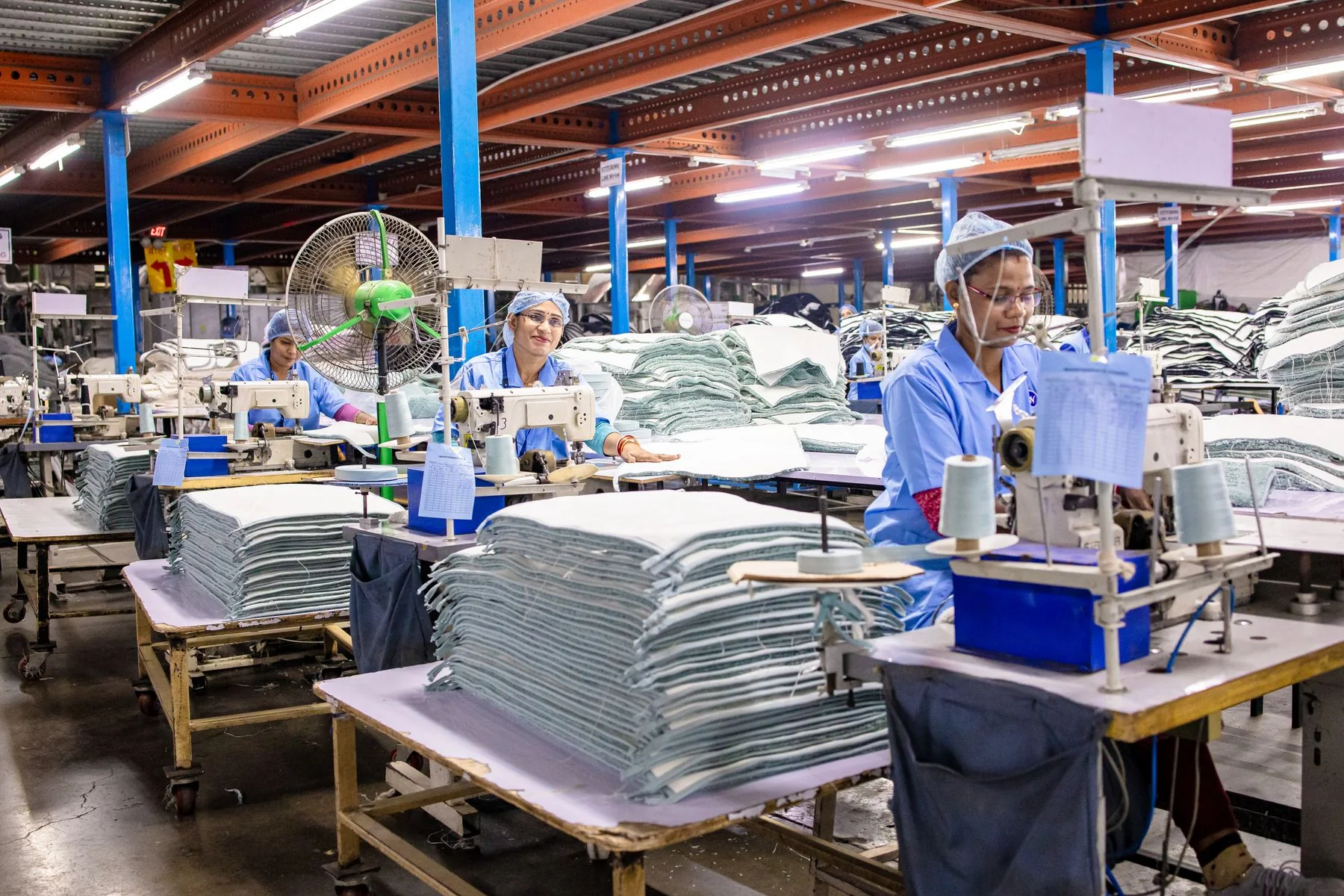
Volume production from 300 pieces up. Published price break points, booked line capacity, staged delivery so your cash is not all on one pallet, and one dye lot across the run.
At 100, 300 and 1,000 pieces.
Scales with quantity, and quoted exactly at booking.
Bought at the start, which is why bulk colour holds.
The other 40–50% on dispatch, against photos of your cartons.
A bulk order is not a big small order. Different things go wrong, so different things have to be planned.
Below about three hundred pieces you are buying garments. Above it you are buying capacity, fabric and a date, and the price reflects all three.
At 100, 300 and 1,000 pieces. Those are the steps, and they are set by the order total rather than by any single style, so a mixed order still counts as one number.
We publish the break points because almost nobody in this trade publishes anything about volume pricing at all. If your forecast lands at 280 pieces we will tell you that twenty more crosses a step, rather than quietly quoting you the higher band.
The per piece figure is quoted per style, because fabric moves the price more than quantity does. A heavy nida at a thousand pieces can still cost more than a light crepe at three hundred.
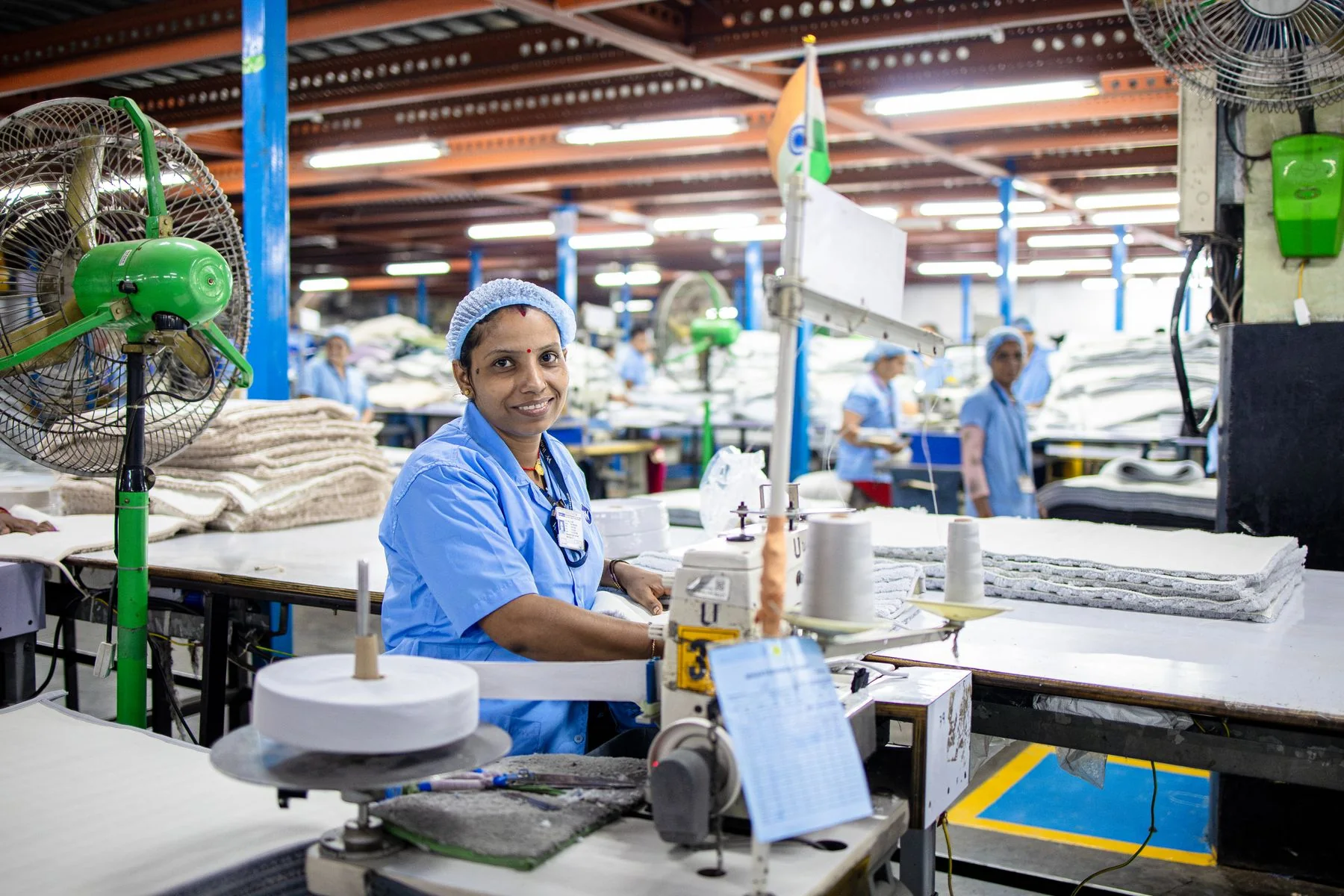
Volume orders are booked into the production schedule with a date attached. That is the difference between a supplier that can commit and one that keeps telling you it is nearly ready.
It also means we sometimes say no to a date. If the line is full through Ramadan, you will hear that when you ask rather than three weeks before your deadline.
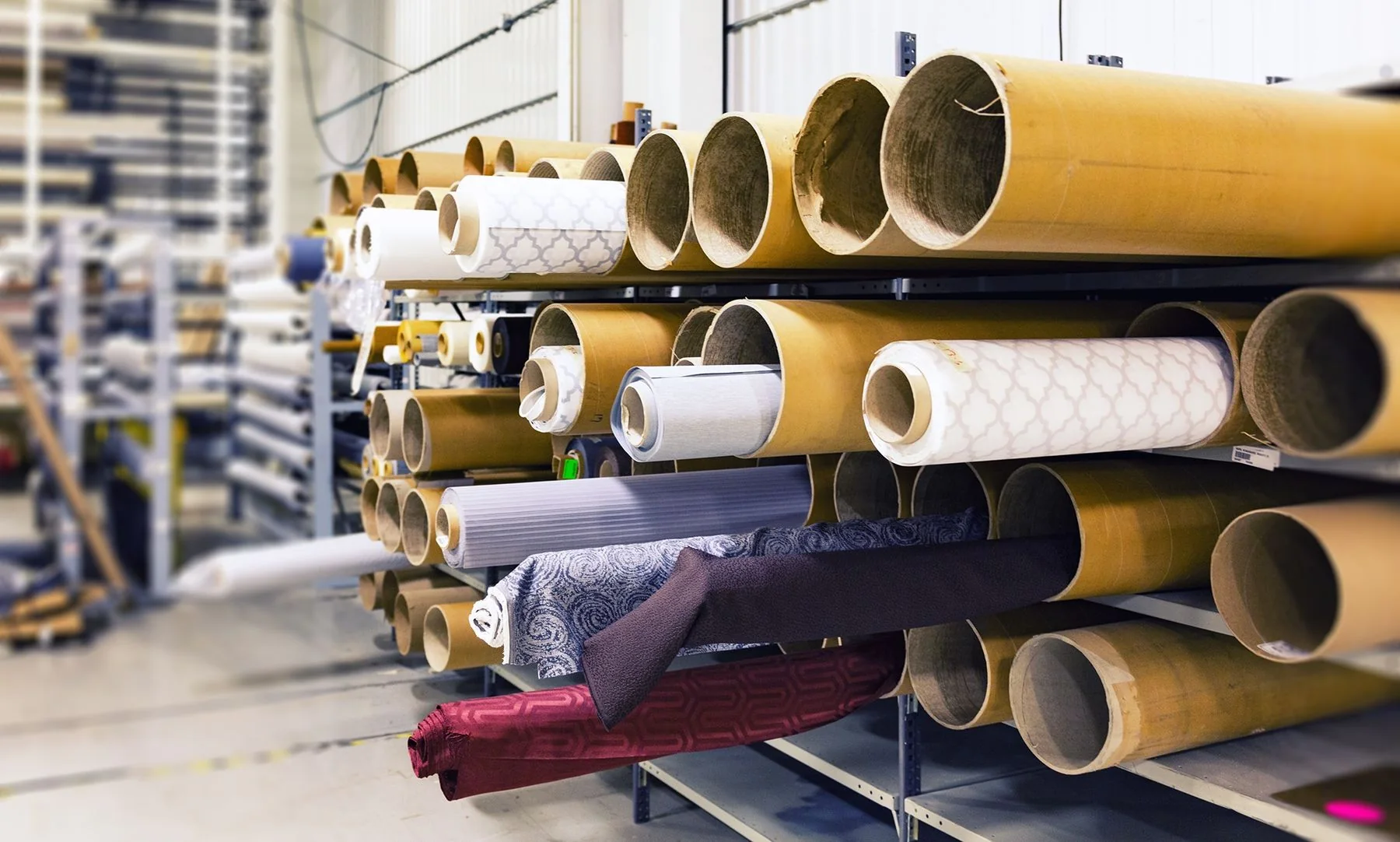
For a volume run we buy the whole fabric requirement before cutting begins, not roll by roll as we go. It costs us more in cash up front and it is the single biggest reason bulk colour stays consistent.
It is also why a large order cannot be doubled halfway through at the same price. The fabric for the original quantity is already on the floor.
This is the problem that ruins large orders, and almost nobody warns buyers about it before it happens.
Fabric is dyed in batches. Two batches of the same black can be very slightly different, and while nobody notices one abaya, everybody notices two of them hanging side by side on a rail.
We reserve enough fabric from a single dye lot to cover your whole order before anything is cut. On most runs that solves it completely.
On very large orders a single lot sometimes is not enough. When that happens you get told before production, not after delivery, and you get a choice.
Usually the answer is to split the run cleanly so each lot goes to a different destination or a different delivery drop, which keeps two shades from ever meeting on one rail. Sometimes it is worth waiting two weeks for the mill instead. Your call, with the facts in front of you.
If you are matching a Pantone or an existing garment, we dye a small swatch first and send it for approval before the bulk fabric is made. Approve the swatch and that becomes the standard the run is checked against.
Custom dyeing carries its own minimum, usually much larger than our garment minimum, and we will tell you that number before you fall in love with the colour.
Committing to a thousand pieces for the price and then taking them in one delivery is how a growing brand ends up with a full warehouse and no cash.
Staged delivery separates the two decisions. You commit the quantity, which sets your price, and then take it in two or three drops across a few weeks or months.
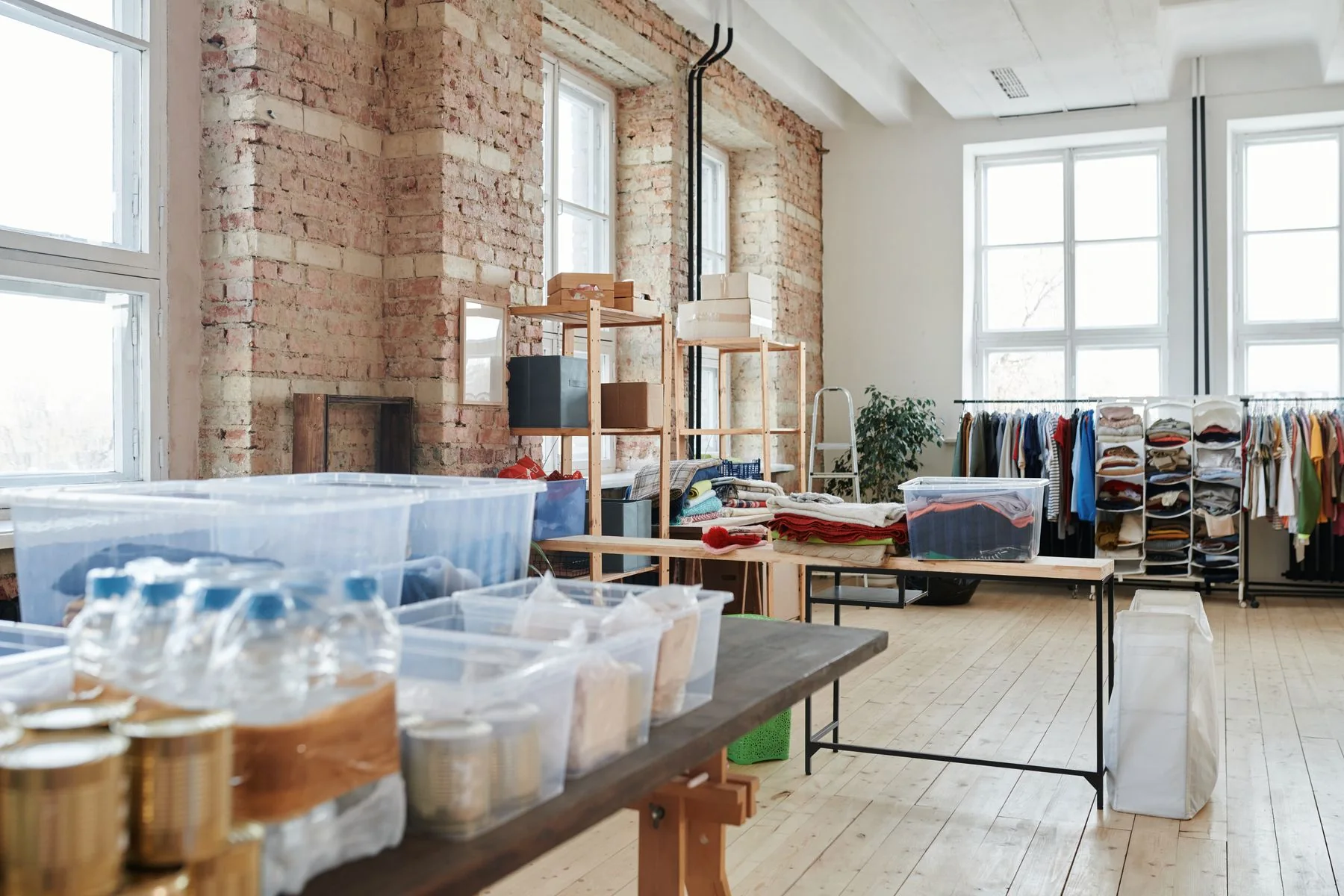
The run is produced and held here, and released against dates you set. You pay for each drop as it ships rather than for everything at once.
Available from 500 pieces. Storage for agreed staging is free, because holding your goods for six weeks costs us very little and saves you a great deal.
When your selling season is long, when your warehouse is small, or when you are opening a second location and do not yet know how the split will go.
It is also the honest answer to a forecast you are not sure about, which is most first volume orders.
It will, at least partly. Everyone in retail is guessing and the good buyers are just guessing with more data.
Here is what is actually possible, so you can plan around it instead of hoping.
Changes to the size split, the colour split and even the style mix are usually fine, as long as the total holds and the fabric covers it. Tell us as early as you can.
Cut fabric cannot be uncut. At this point the quantity is fixed, though later staged drops can often still be rescheduled.
This is the honest reason we push buyers to get the size curve right at booking rather than at delivery.
Talk to us rather than going quiet. Slowing the remaining drops, holding stock longer, or switching a later drop to a different colour are all things we have done.
What we cannot do is take stock back, and no manufacturer can. The fabric and the labour are spent. Staged delivery exists precisely so this conversation is about timing rather than about a warehouse you cannot empty.
These are the things that only exist above a few hundred pieces.
Your run sits in the schedule with a date on it, not behind whatever walked in this morning.
The whole requirement bought against one dye lot before cutting starts. This is what keeps colour even across thousands of pieces.
Take the run in two or three drops at one price, so your cash and your warehouse are not both committed on day one.
Sea, air or a split of both, quoted per lane with duty. Several styles ship as one consignment on one set of documents.
One person who knows your order, sends the weekly update and tells you early when something slips.
Packing lists, carton manifests, certificate of origin and inspection records as standard, not on request.
The planning is where a bulk order succeeds. The sewing is the straightforward part.
Send your style and quantity forecast. You get banded pricing, a capacity date and a landed cost per destination.
A pre-production sample is signed off in writing and sealed. Nothing scales until a physical piece is agreed.
Cloth for the whole run bought against a reserved dye lot, trims consolidated, lab dips approved if you are matching a colour.
Cut and sewn in batches with a check at each one, so a fault surfaces at 200 pieces instead of 2,000.
Batch inspection against the sealed sample, carton photos, balance invoice, then freight on the booked sailing or flight.
Fixed before the deposit, including what happens if a date moves.
The structure is published. The per piece figure is quoted per style, because fabric moves it more than quantity does.
First step down from the entry band.
Volume starts here. Branding and packaging costs absorbed.
Booked line slot and a named production contact.
Annual planning, held fabric and reserved quarterly capacity.
Bands step down at the quantity shown, not at a quantity decided afterwards. Everything starts from our published entry price of AED 90 a piece and comes down from there. If your forecast sits just under a step we will say so rather than let you miss it.
The checkpoints that stop a large run going quietly wrong.
Volume rewards certainty and punishes guessing.
You need one consistent garment across many shops, delivered against a date you can plan a floor set around.
You know your sell-through and your size curve. Going deep now costs less than going out of stock.
Schools, hotels and corporate programmes, where fit consistency across hundreds of wearers matters more than newness.
Most of this is ordinary practice in other industries and rare in this one.
You can model a margin against 100, 300 and 1,000 instead of guessing what a better negotiator would have paid.
Your run has a slot and a date. If that date comes under pressure you hear it in the weekly update, not at the deadline.
Rather than shipping two shades of black and waiting to see whether you notice.
Not only at the end, where a systematic fault has already reached every piece and somebody has to eat it.
Duty and freight are on the quote. An ex-works price that ignores both is how importers get caught out.
Four inputs. Rough numbers are fine, as long as you say they are rough.
By style and colour, even approximately. It sets the fabric buy and your band.
The date it must be in your warehouse, and whether staged drops would help you.
Port or door, and whether you want DDP or DAP.
A sealed sample, a tech pack, or a catalogue style to build from.
The volume questions, answered before the negotiation rather than during it.
At 100, 300 and 1,000 pieces. Those are the steps and they do not move based on how the conversation goes.
It depends far more on fabric than on quantity. Everything starts from AED 90 at the entry band and comes down from there. Send the styles and the forecast and you get a firm figure per style.
Because it would be a lie. A plain everyday abaya and a fully lined embroidered one at the same quantity are not close in cost. We publish the structure instead, which is more than anyone else in this category does.
On the whole order. Five styles at 200 pieces each is a thousand piece order and it is priced as one, which is usually a pleasant surprise for buyers expecting otherwise.
We will tell you that twenty more pieces crosses a step, and what that is worth. Then it is your call. What we will not do is quote the lower band without mentioning it.
Not as a policy. If you have a cheaper quote, send it and we will tell you honestly where the difference is coming from. Usually it is fabric weight, lining or the finishing, and sometimes it is a genuinely better price.
18 to 35 working days depending on quantity and complexity, quoted exactly when your slot is booked. Freight is on top.
It moves through the year. Ask for your window and you get a straight answer, including if the answer is that we cannot take it.
Enough for the orders on this page, and we will tell you plainly whether your volume fits the production schedule rather than taking a booking we cannot hold.
In the weekly update, as soon as it becomes likely rather than when it becomes certain. Late news is the actual complaint buyers have, more than lateness itself.
The whole region gets busy in the run-up and hours change over Eid itself. Book early for that window. If you come to us eight weeks out for a Ramadan delivery we will be honest about whether it fits.
Sometimes, on catalogue styles in stocked fabric. It usually means overtime, which costs money, and we will quote that rather than absorbing it and cutting a corner somewhere you cannot see.
We buy fabric for the whole run from one dye lot before cutting. Where a single lot cannot cover the quantity, you are told before production and given options.
Split the run so each lot ships to a different destination or drop, so two shades never hang together. Or wait for the mill to produce a bigger lot. Both are your decision, not ours.
We dye a lab dip first and send it for approval. Once you approve the swatch it becomes the reference the bulk fabric is checked against.
A written measurement sheet with tolerances, a sealed sample, and measurement checks between batches. Drift is caught at the batch it starts in rather than at final inspection.
It is remade or credited where the fault is ours. Because checks happen between batches, a problem normally costs a few hundred pieces of rework rather than the whole run.
From photographs. We inspect every order against your spec sheet and send you photos of the finished pieces and the packed cartons before you pay the balance. Nothing ships until you have seen them.
The same structure as everywhere else on this site: a 50–60% deposit to start, and the balance on dispatch, against photos of your packed cartons.
That is normally how it works. The deposit covers the run, then each drop is invoiced as it ships, which is the main cash flow reason to stage in the first place.
Not for a first order. After a few completed orders it is a conversation worth having, and it is a conversation, not a form.
For large orders, yes. They cost both sides money and time, so for most volumes a straightforward deposit is simpler for everyone.
Fabric, mostly. On a volume run the cloth is bought up front, which is where the money goes before a single garment is sewn.
Yes. Every carton is photographed packed and sealed and the balance invoice goes out against those photographs.
Before cutting, usually yes. After cutting, no, because cut fabric cannot be uncut. This is why we push hard on getting the curve right at booking.
Only if the fabric has not been bought, which on a volume order means very early. Later drops in a staged delivery are more flexible than the first.
Before fabric is bought, with the deposit mostly intact. After that, the cloth is spent whether it becomes garments or not. We will always try to find a use for it rather than simply keeping your money.
Tell us instead of going quiet. Slowing later drops, holding stock longer or switching a later drop to a different colour are all things we have done. Taking stock back is the one thing no manufacturer can do.
Sometimes, but not usually at the same price, because the fabric for the original quantity is already on the floor and a second buy may be a different lot. We will tell you what it costs and what the colour risk is.
You commit the whole quantity, which sets your price, then take it in two or three drops on dates you choose. Available from 500 pieces, and storage while staged is free.
Sea for planned volume, air for replenishment. Often a split is best: a small air shipment to open your floor set while the sea consignment follows.
Yes. One production run can be split into separate consignments, each documented properly. Tell us at quoting so the freight is costed correctly.
Your choice between DDP and DAP, and we quote both. At volume the difference is large enough to be worth comparing carefully.
Commercial invoice, packing list, carton manifest, certificate of origin where required, and the inspection record for your run.
Yes, and it needs planning. Carton labelling and packing requirements are strict and non-compliant cartons get rejected. Send us the spec at booking rather than at dispatch.
One named person who knows your order and follows it from fabric to carton. Not a rotating inbox, and not someone who has to go and find out what is happening.
Through the weekly update, with photographs as your order is made. Your cartons are photographed packed and sealed before you pay the balance, so you see the finished run before the money leaves.
A design we develop with you is not sold to anyone else. Full category exclusivity is a different commercial conversation and depends on the volume behind it.
Yes, and we are equally happy dealing with you directly. We do not price differently depending on which route you come through.
Ask us for the current list rather than trusting a logo on a website. If a specific audit or certificate is a requirement for your buyer, tell us early, because some take months to arrange.
Send a forecast and a delivery window. You get banded pricing, a capacity date and a landed cost, in writing, before anything is committed.