
( 09 ) · occasion
Wholesale farasha abayas
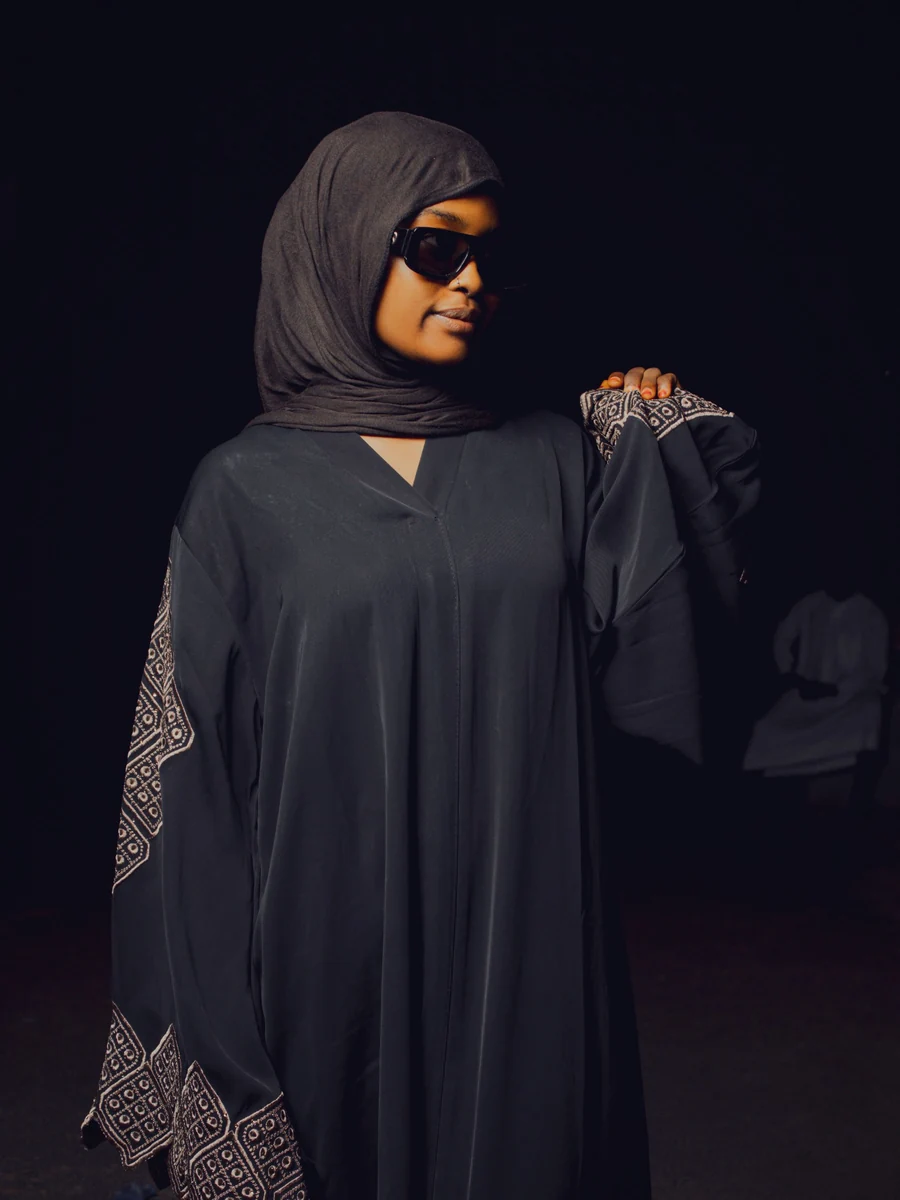
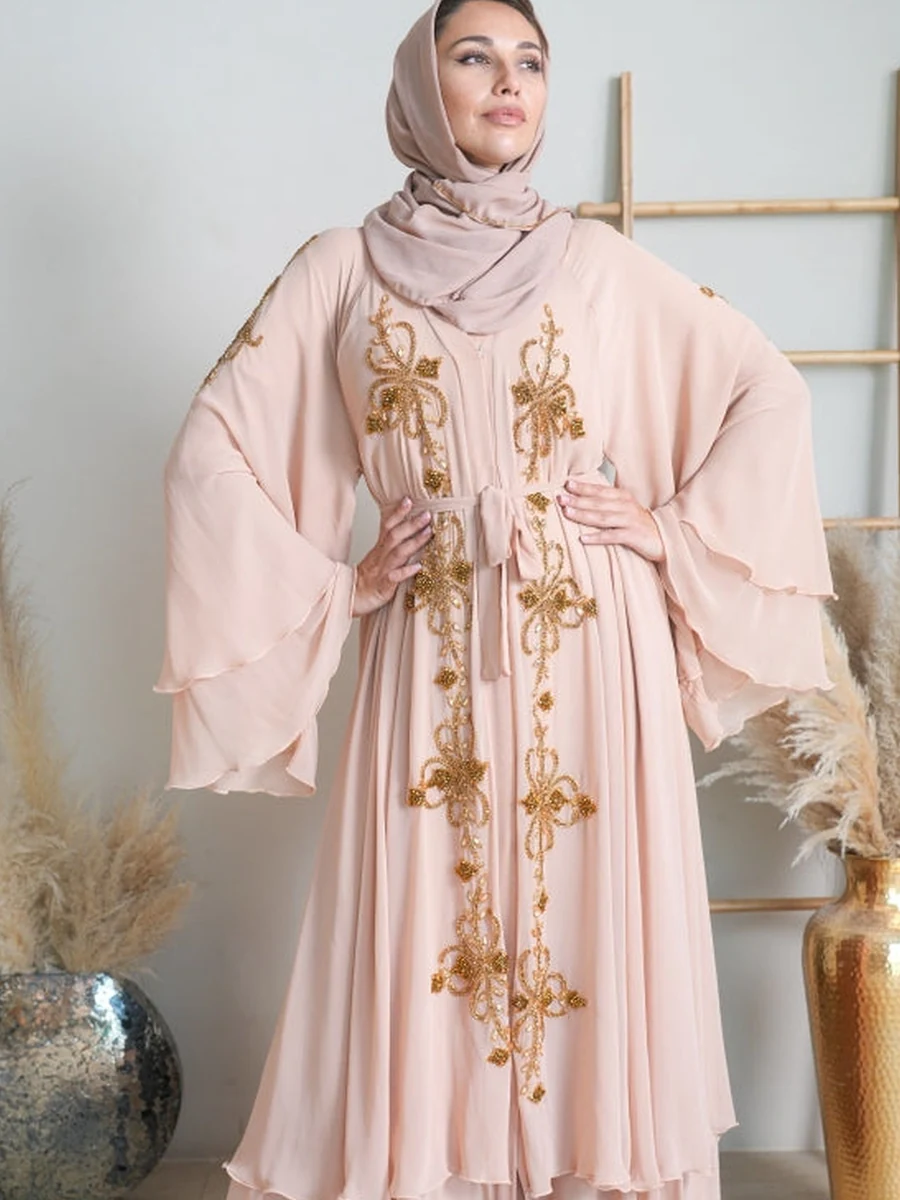
Farasha is Arabic for butterfly, and it names the wide cape-sleeve abaya that Gulf buyers stock for Ramadan and Eid. Order it on the season's calendar, not on impulse. 20 pieces in any mix, made in the UAE.
In short
Farasha is Arabic for "butterfly". It names a wide, cape-sleeved abaya, the same silhouette called a butterfly or batwing abaya in English-speaking markets. It is bought mainly for Ramadan and Eid, so wholesale orders are usually placed two to three months before Ramadan begins.
- Means
- Butterfly, in Arabic
- Peaks for
- Ramadan and Eid
- Minimum
- 20 pieces, any mix
- Order by
- 8–10 weeks before Ramadan
Farasha is a seasonal, made-to-order cut
Tell us your Ramadan shelf date and we will work backwards through freight, production and sampling to tell you whether it still fits.
Prices and terms reviewed September 2026

Why buyers pick farasha
A season with a hard deadline
Ramadan does not slip. Miss the date and the stock sits for a year, which is why this category is bought on a calendar.
The name your Gulf buyers use
Say farasha to a Gulf customer and she knows exactly what you mean. Say butterfly and you are describing it.
Occasion margin
Customers spend more on a piece bought for Eid than on anything they wear on a Tuesday. The cut supports the price.
Farasha, kaftan or jalabiya
These three get sold under each other’s names constantly. They are different garments.
| Garment | What it is | Worn as |
|---|---|---|
| Farasha | A wide cape-sleeved abaya. Arabic for butterfly | An overgarment for occasions |
| Kaftan | A loose wide-sleeved robe, Persian and Ottoman roots | The garment itself, often at home or resort |
| Jalabiya | Egypt’s traditional one-piece robe-dress | The garment itself, home and Ramadan evenings |
An abaya is an overgarment worn over clothes. A kaftan and a jalabiya are the outfit. Getting this wrong in your product titles is the fastest way to look like an outsider to a Gulf customer.
What a farasha abaya is
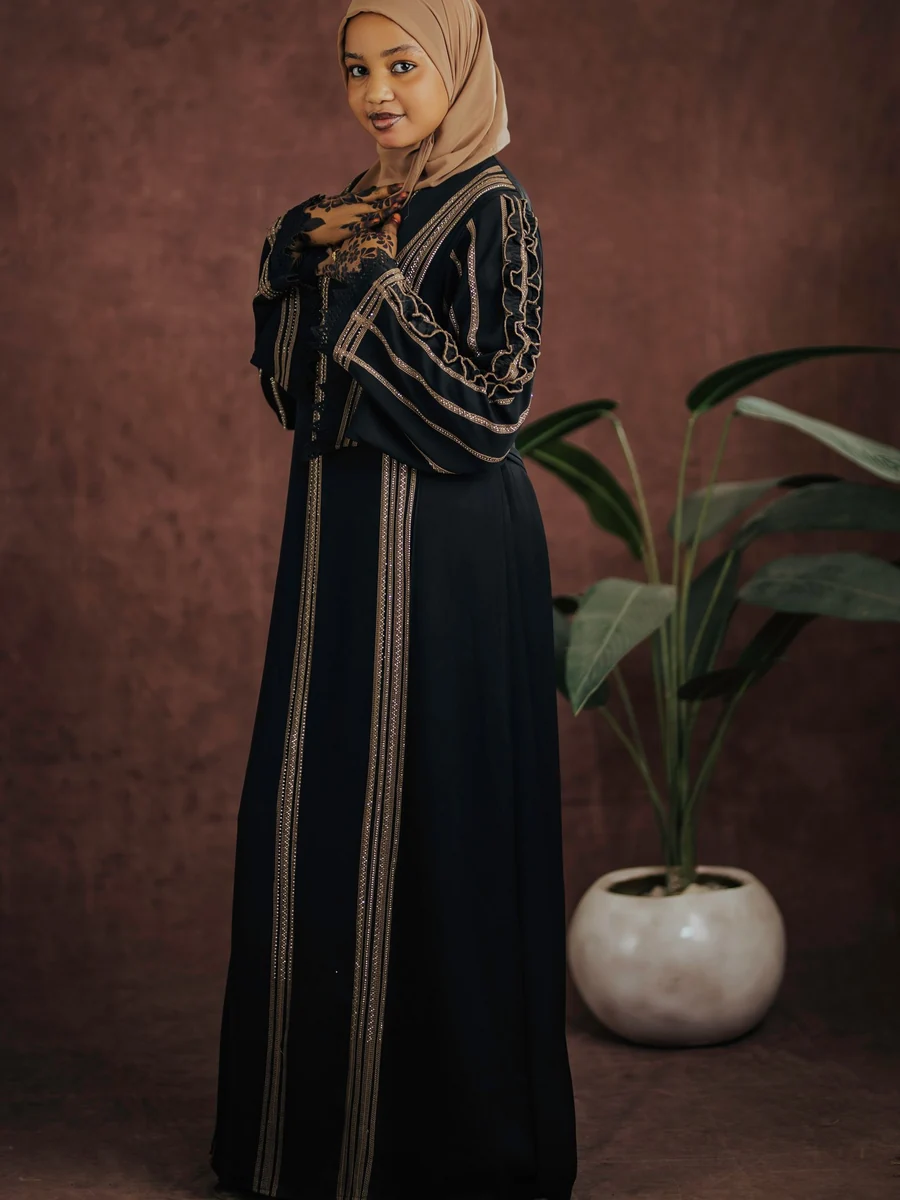
Farasha means butterfly. The garment is a wide, cape-sleeved abaya, cut so the sleeve runs as one panel from the wrist to the hem and opens as the arms move.
It is the same silhouette an English-language listing would call a butterfly or batwing abaya. We keep both pages because buyers use both words, and each page says so rather than pretending the other does not exist.
It is not a prayer dress
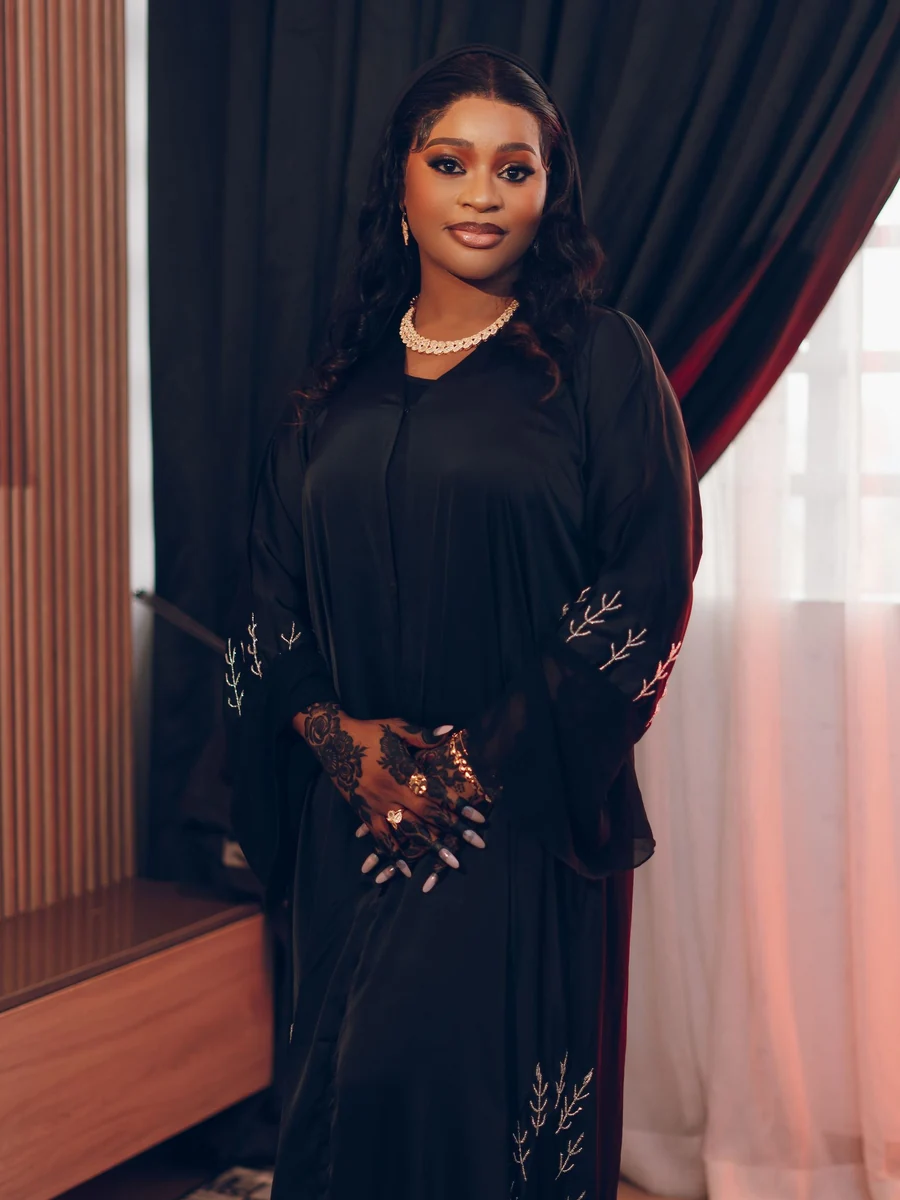
A small number of sellers list farasha under prayer wear. That is a misuse. A farasha is an occasion overgarment, cut for volume and effect.
If your customer wants prayer wear, she wants a simple one or two-piece prayer dress, and we have a page for that.
When to order for Ramadan
This is the part that costs shops money. Ramadan moves about eleven days earlier each year against the Gregorian calendar, so last year’s plan is never this year’s plan.
Ramadan 2027 is expected to begin around 8 February 2027, subject to the moon sighting. Work backwards from the day stock has to be on your shelf, not from the first day of the month.
Counting back from the shelf date
Allow for each stage rather than guessing at a total.
- Courier transit and customs clearance: 1 to 2 weeks
- Production, made to order: 12 to 18 working days
- Sampling and approval, if the design is new: 2 to 3 weeks
- Your own decision time, which is always longer than planned
The short version
Eight to ten weeks before Ramadan for a repeat of something we already make. Three to four months if the design is new. Eight weeks out with a new design is a scramble, and everyone else is scrambling for the same machines.
Do not put everything into one month
A range that only sells in Ramadan leaves you carrying stock for eleven months. Buy the occasion pieces shallow and keep your depth in everyday cuts that sell all year.
Questions buyers ask
What is a farasha abaya?
A wide, cape-sleeved abaya where the sleeve runs as one panel from wrist to hem. It is an occasion piece, worn over clothes.
What does farasha mean?
Butterfly, in Arabic. The name describes the wing shape the sleeve makes when the arms lift.
Is a farasha abaya the same as a butterfly abaya?
Yes, the same construction under two names: farasha in Arabic and Gulf usage, butterfly or batwing in English-language markets.
Is a farasha the same as a kaftan?
No, although they are often sold as if they were. An abaya is an overgarment worn over clothes. A kaftan is the garment itself, with roots in Persian and Ottoman dress.
What is the difference between a farasha and a jalabiya?
A jalabiya is Egypt’s traditional one-piece robe-dress, worn as the outfit. A farasha is an abaya, worn over an outfit.
Is a farasha abaya a prayer dress?
No. A few listings label it that way, but it is an occasion overgarment. Prayer wear is a separate, simpler garment and we make that too.
What fabric are farasha abayas made from?
Nida for a lighter occasion weight, chiffon for layered designs, satin for shine, and heavier cloth like velvet for winter occasion pieces.
What occasions is a farasha worn for?
Ramadan, Eid, weddings and formal gatherings. It is an occasion piece before it is anything else.
When should I order farasha abayas for Ramadan?
Eight to ten weeks before Ramadan begins for a style we already make, and three to four months if the design is new and needs sampling.
When does Ramadan 2027 start?
It is expected to begin around 8 February 2027, subject to the moon sighting. Ramadan moves roughly eleven days earlier each year, so check the date before you build a buying calendar.
What is the minimum order for farasha abayas?
20 pieces across the whole order, any mix of styles, colours and sizes, with a AED 2,000 minimum order value.
How much does a wholesale farasha abaya cost?
Our published floor is AED 90 a piece at the entry fabric. A farasha sits above it because the cut uses more cloth, and embellishment adds more again. We quote per style.
Are farasha abayas in stock?
Not currently. They are made to order in 12 to 18 working days, which is why the Ramadan calendar matters so much.
Can I mix farasha with other styles in one order?
Yes. Everything counts toward the same 20 piece minimum, so you can take occasion pieces alongside your everyday depth.
Can I get farasha abayas with my own label?
Yes, on any style, with your woven or printed labels, care tags and packaging.
What sizes do farasha abayas come in?
The same length sizing as the rest of the range, measured shoulder to hem: 52 to 60 standard, 62 to 66 made to order.
Buyers also look at
The rest of the range
- 01NidaThe everyday fabric
- 02Open abayaBest seller in the US, UK and EU
- 03Kimono abayaHighest-searched silhouette
- 04CrepeTravels without creasing
- 05Plus sizeGraded from a plus block
- 06EmbroideredYour artwork, made to spec
- 07Closed abayaFull coverage cuts
- 08Butterfly and batwingPhotographs well
- 09FarashaFor Ramadan and occasions
- 10LinenFor hot climates
- 11LuxuryLined and hand-finished
- 12Prayer dressOne-piece and two-piece
- 13Umrah and HajjWrinkle-resistant travel sets
- 14KidsMother and daughter sets
- 15HijabsMatched dye lots