Neck and side labels
Woven damask, printed satin or heat seal, in your artwork. Position and stitch fixed at sampling so every run matches.

Put your own brand on every piece. Woven neck labels, care tags, hang tags and your packaging, made in the UAE from 20 pieces and AED 2,000 an order, in any mix of styles and colours. Nothing in the parcel says our name.
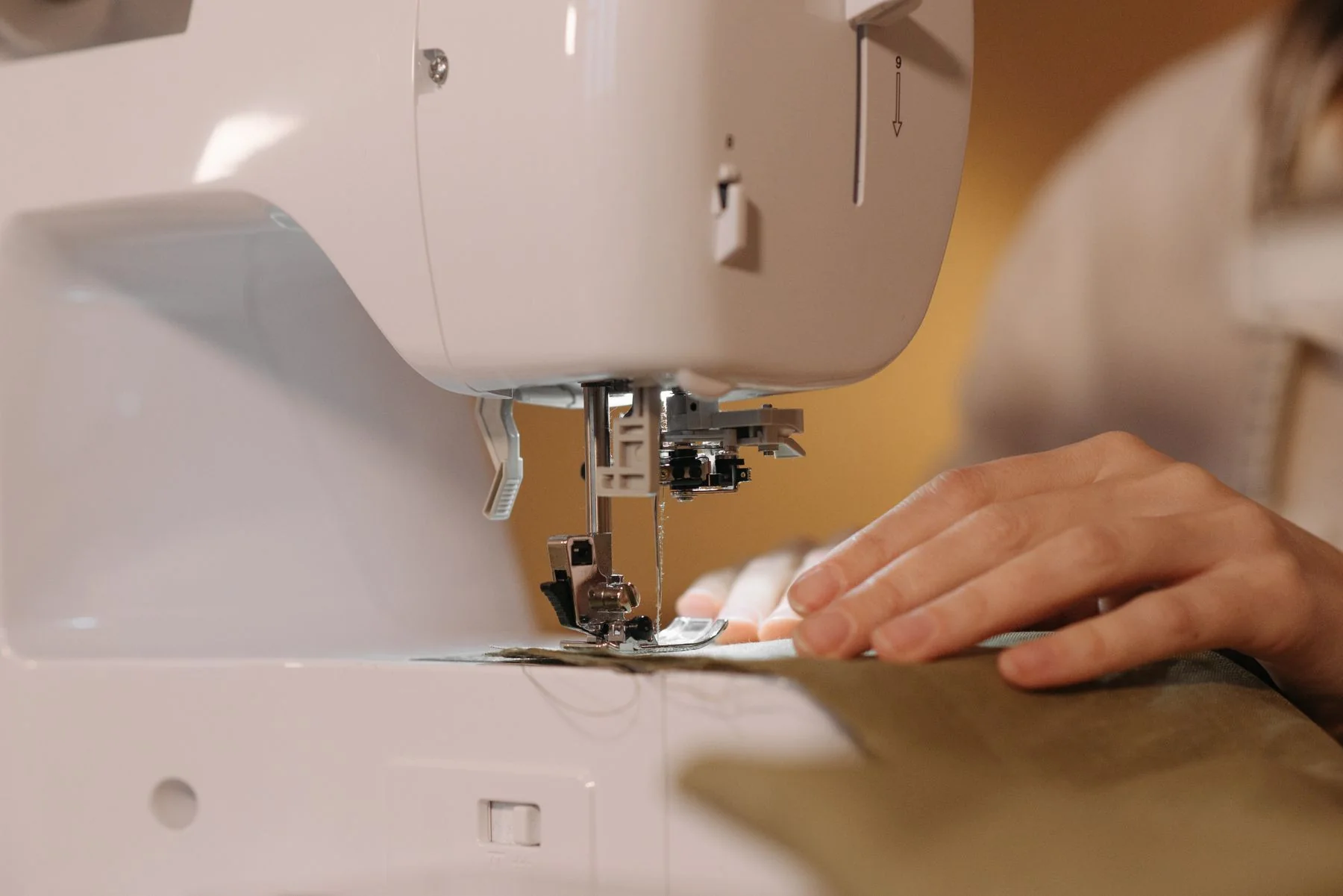
And AED 2,000 of stock. No minimum on any one style or colour.
Made to order, with your branding on it.
Woven, printed satin, or heat seal for small runs.
No inserts, no stickers, no our-name paperwork.
Private label means we make the abaya and you sell it as yours. Your name is on the neck label. Your tag hangs off the sleeve. Your box turns up at the customer’s door. Nobody who buys it learns that we exist.
It is how most abaya brands you see online are built. They are not sewing anything. They found a factory, agreed a spec, put their label in it and got on with selling. That is a normal way to run a clothing brand, and it is what this service is for.
These words get used as if they mean the same thing. They do not, and the difference decides whether a competitor can buy the exact abaya you are selling.
You buy our stock as it is. Our label, or no label at all. Cheapest and fastest, and fine if you are testing what sells before you commit to a brand.
You take a design from our catalogue and put your label in it. Quick and cheap, because the pattern already exists. The catch is that the same design is open to any other buyer, with their label in it.
The garment is built for you. If you developed the design with us, it is yours and we do not sell it to anyone else. That is the version most brands mean when they ask for private label, and it is the one worth paying a little more for.
A garment gives away its maker in five or six places. We change all of them.
Woven damask, printed satin or heat seal, in your artwork. The position and the stitch are fixed at sampling, so run two matches run one.
Fibre content, wash symbols, size and country of origin, laid out for the country you are selling in. Arabic and English together if you need it.
Printed on the card stock you pick, strung and attached here. Send us barcode data and we will put the stickers on too.
Poly bag, tissue, box or garment bag. Printed or plain. Folded and packed your way, not ours.
The commercial invoice and packing list go out in your consignee details. We do not slip a card or a catalogue in the carton.
Here is the problem that catches out almost every new brand, and we have not found a single abaya supplier who explains it before you have paid a deposit.
Our garment minimum is 20 pieces and AED 2,000 an order, in any mix. The company that weaves your labels has its own minimum, and it is usually 500 or 1,000 labels. So you order 20 abayas and get told you need to buy a thousand neck labels first. That is not a trick. It is how label weaving works: the machine is set up once, and a run of 20 is not worth setting up for.
You should know this before you plan your first order, not after. So here is how we handle it.
Which one is right depends on how many pieces you are ordering and how soon you expect to reorder.
Printed and pressed into the garment instead of sewn. The minimum is low, the cost per piece is small, and they look clean on a lightweight abaya. Best for a first order under about 50 pieces.
Sewn in like a woven label but printed rather than woven. Lower minimum than damask, softer against the neck, and the artwork can carry more detail. A good middle step.
If you are going to reorder, buying 1,000 woven labels once is cheaper per piece than buying printed three times. We store the balance here at no charge and pull from it on every future order, so your second run has no label lead time at all.
Plenty of brands already have label stock from an earlier supplier. Post them to us and they are sewn in at no extra charge.
Send about five per cent more than your piece count. Some get damaged in cutting and a few get rejected at the final check, and it is easier to have spares than to hold up a run waiting for a courier.
Labels have to exist before the garment can be finished, so the label is usually what sets your start date, not the sewing.
Woven labels take around two to three weeks from artwork approval. Printed and heat seal are faster. If you are working to a Ramadan date, get the label artwork to us first and worry about the colour split later.
This is the question private label buyers actually want answered, and almost nobody answers it. Here is our straight version.
Styles from our catalogue are open to any buyer. If you pick a catalogue abaya and put your label in it, someone else can order the same abaya with their label in it. We are not going to pretend otherwise.
A design you develop with us is different. If we drafted the pattern for you, it is yours. It does not go into the catalogue and we do not sell it on. That is written into your quote, not just said on a call.
We will sign yours. A supplier that refuses to sign a standard NDA is telling you something, and it is worth listening to.
We will also be honest about what it does. Clothing is treated as functional rather than artistic in most places, so a cut cannot usually be protected the way a logo can. Once your abaya is on a website, anyone can buy one and copy it. An NDA stops us sharing your files and your plans. It does not stop the internet.
What actually protects you is being first, being consistent, and having a brand people look for by name. That is the part we cannot do for you.
Care labels are boring until customs or a marketplace rejects your stock over one. The rules are not the same everywhere, and most suppliers will print whatever you send and let you find out later.
Tell us where you are selling and we will draft the wording with you.
Most markets want the same four things, in the local language as well as English in some cases.
Gulf buyers expect abaya lengths: 52, 54, 56, 58, 60. UK and US buyers expect dress sizes and get confused by a 56.
We will print either, or both. If you are selling in more than one region, the cheapest fix is a size label showing the length and a hang tag that converts it, rather than two separate production runs.
Our prices start at AED 90 a piece. That is a real floor, not a number to get you into a conversation, and it buys a finished abaya in our entry fabric with a standard stitch.
From there the price moves on what you choose. Fabric is the biggest lever by a distance, then the amount of work in the stitching, then anything added on top.
In rough order of how much they matter:
A quoted price that quietly excludes tags and bags is the oldest trick in wholesale. Buyers are warned that hidden extras can add twenty to thirty five per cent to a quote, and they are right to check.
On our quotes, the per-piece price covers the garment, sewing in your labels, attaching your tags and packing to your spec. Charged separately and shown as their own lines: the labels and tags themselves, any custom packaging you have printed, sampling, and freight with duty. Nothing else appears later.
Private label is not a sticker on a finished garment. Every place a brand normally shows up becomes yours.
Woven damask, printed satin or heat seal, in your artwork. Position and stitch fixed at sampling so every run matches.
Fibre content, wash symbols, size and origin, written for the market you sell in. Arabic and English together where you need it.
Printed on your card stock, strung and attached here. Send barcode data and we apply the SKU stickers too.
Poly bag, tissue, box or garment bag, printed or plain. Folded and packed your way.
No inserts, no stickers of ours, no return address of ours. Documents go out in your details.
Measurements, stitch types, fabric codes and label positions written down and stored, so a reorder in eight months is the same abaya.
Five steps. The clock starts when the deposit clears, not when you first message us.
Styles, colours, quantities and where it is going. You get a price per piece and a landed cost, not a range.
Send your logo and care wording. We send back a label layout and a photo showing where it will sit. Nothing is woven until you say yes.
One finished abaya with your branding on it, couriered to you. Tell us what is wrong with it. One round of changes is included.
Cutting, sewing, labelling, pressing. Checks during the run, then a final measure against your written spec.
Packed in your packaging, every carton photographed, balance invoiced against those photos, then handed to the courier.
The numbers you came here to check.
Per piece, before freight. The band is set by the whole order, not by any one style, so a mixed order still counts as one total.
Where most first orders sit. Full catalogue, no restrictions.
First step down. Label cost absorbed at this level.
Printed packaging carries no setup charge.
Booked line slot and one named contact for your order.
Bands step down at 100, 300 and 1,000 pieces. We quote the exact figure per style because fabric moves the price more than quantity does, and a single headline price would be a guess. If your order sits just under a step we will tell you rather than let you miss it.
These photos are illustrative. We do not publish pictures of other brands’ goods, for the same reason you would not want yours published.
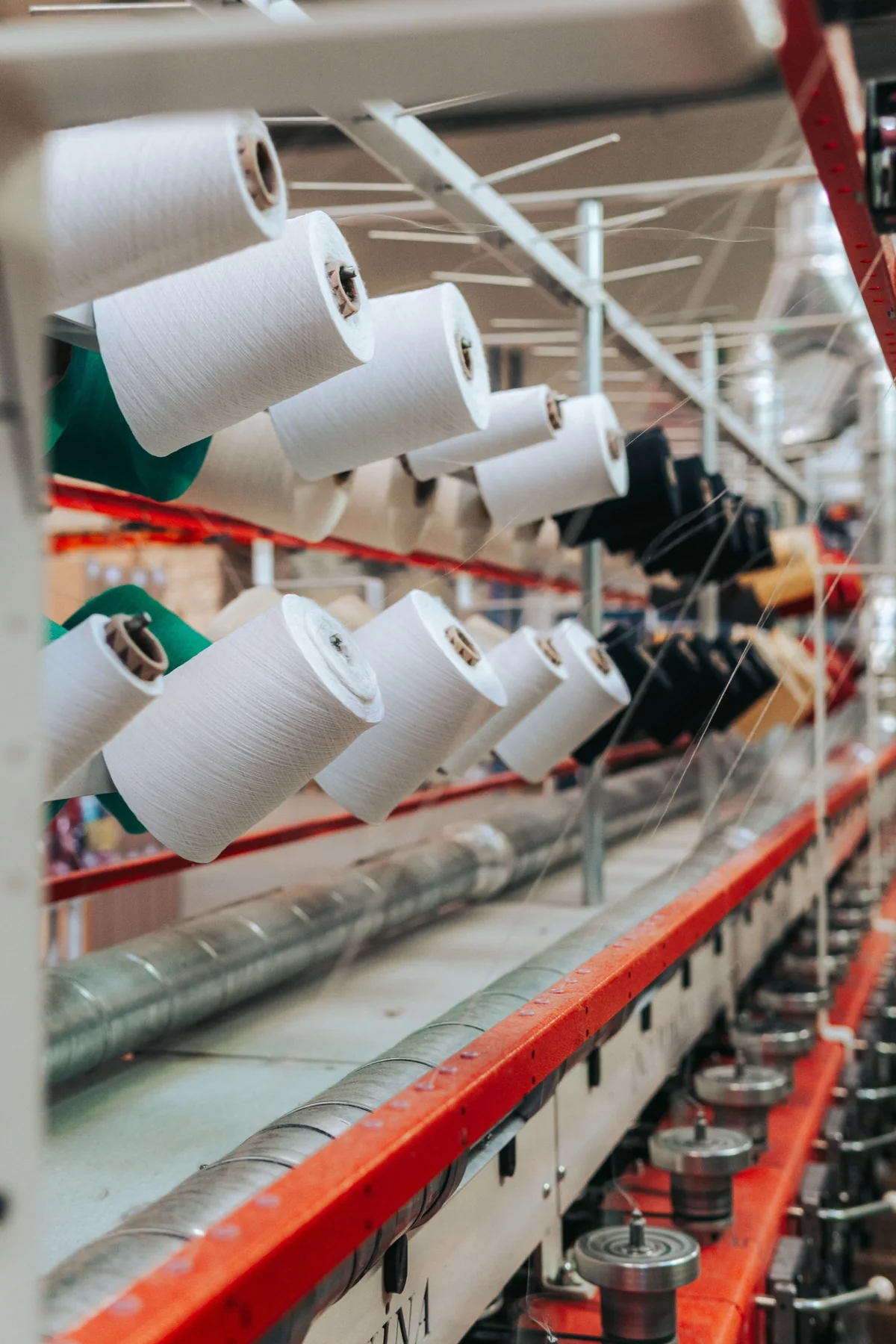
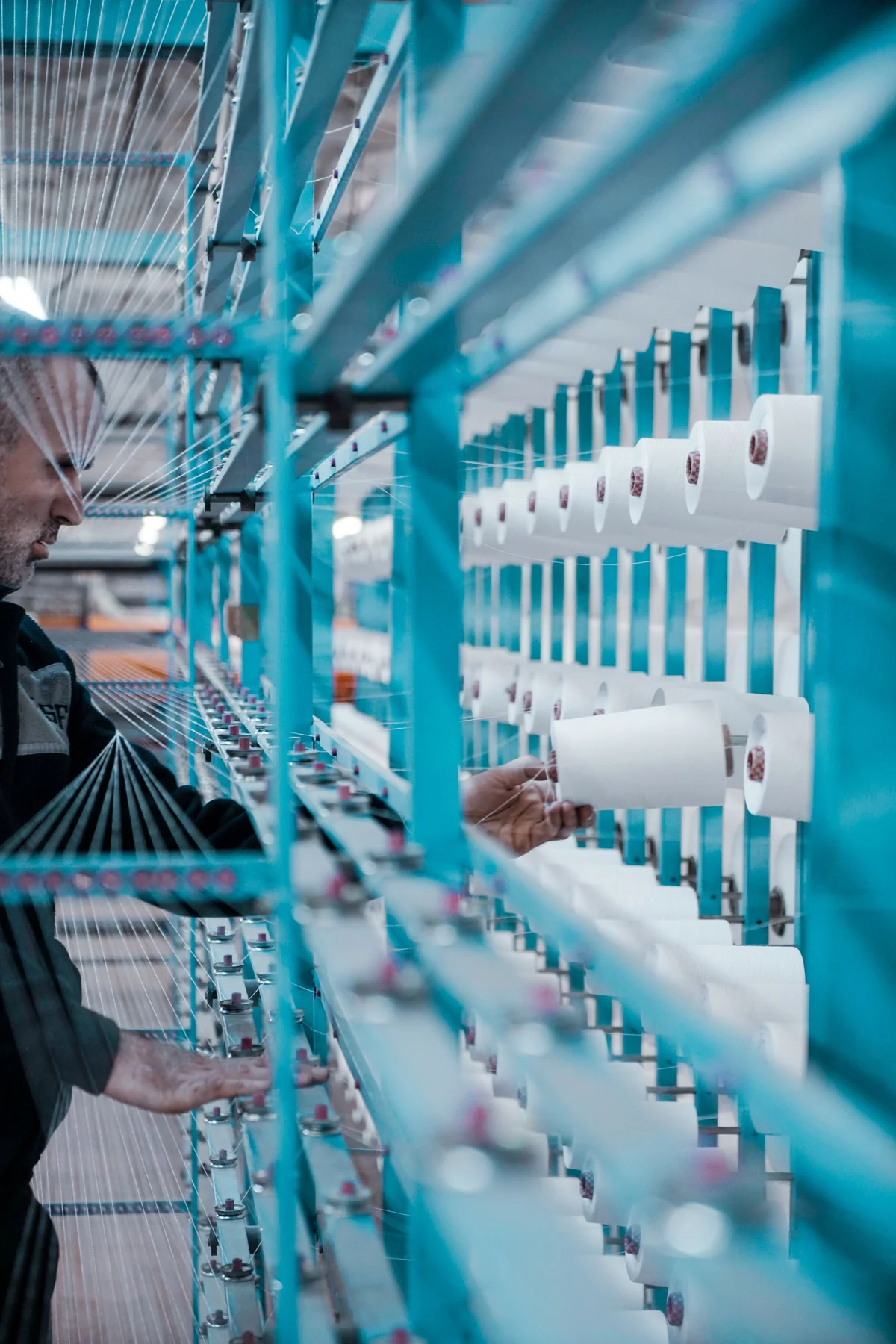
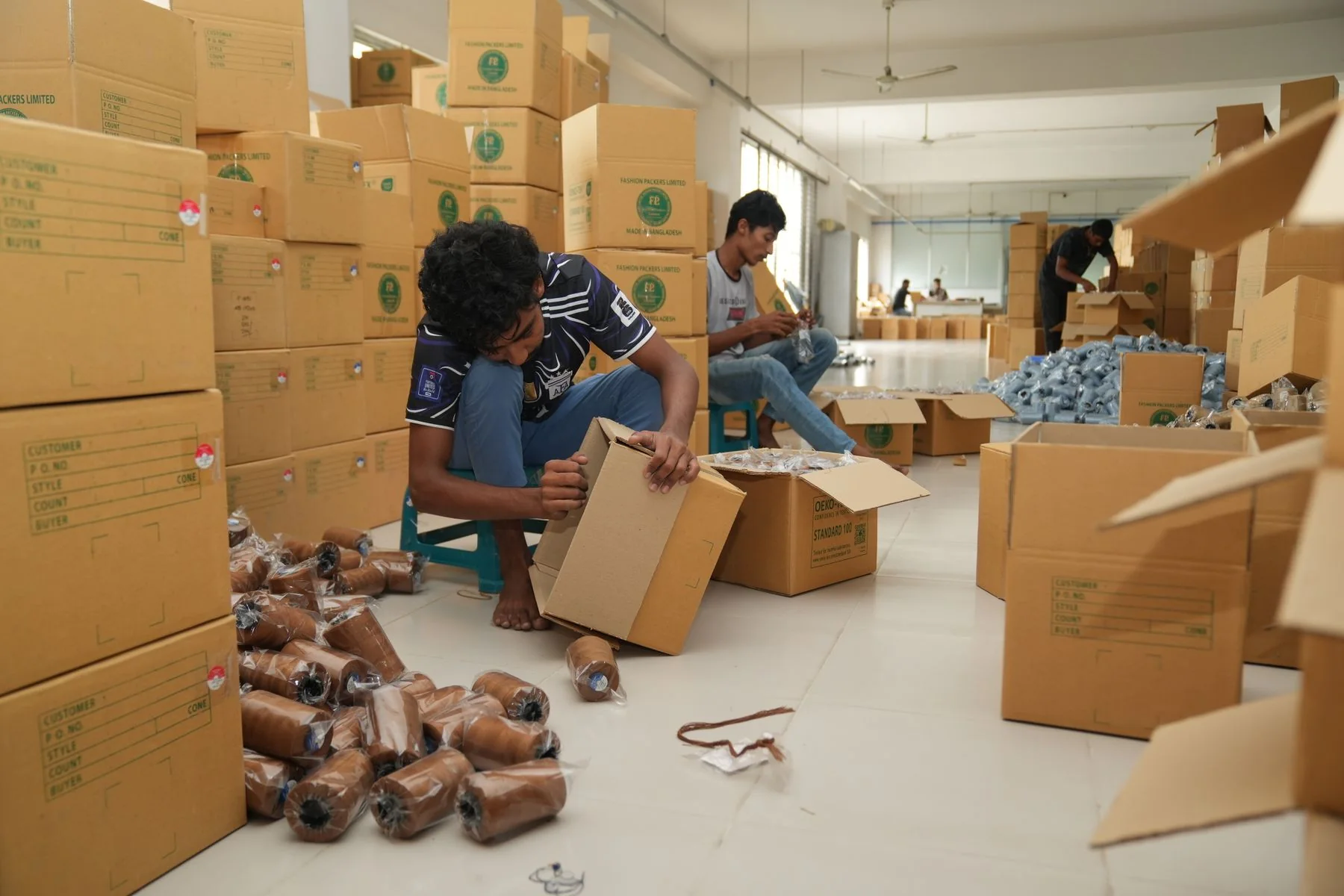
Private label is worth the extra week for some buyers and a waste of money for others.
You own the customer and the repeat order. Another company’s name in the neck of the garment works against both.
You already stock other labels and want your own at a better margin, without running a factory.
If you have never sold an abaya, buy plain stock and learn what moves. Branding unsold stock is an expensive way to store a mistake.
Each of these is a difference from what the rest of the category does, not a boast.
Published abaya minimums run from 10 to 100 pieces a colour. Ours is 20 pieces and AED 2,000 for the whole order, split across styles and colours however you like. Brand a small range, see what sells, and only go deep on the ones that do.
The woven-label minimum is the thing that blindsides new brands. We tell you before you pay, and give you three ways round it.
A pattern we draft for you stays yours. It does not quietly appear in the catalogue six months later with someone else’s label in it.
You talk to the team that runs your order, from fabric to carton, and one company answers for all of it. Your cartons are photographed before you pay the balance.
Ours starts at AED 90. Almost nobody in this category publishes a number at all, which tells you what the number depends on.
Freight and duty are quoted with the goods. The bill that surprises new importers is the one we show first.
With these four things a quote takes hours instead of a week of messages.
Vector if you have it, so .ai, .eps or .svg. A flat PNG is fine for printing but cannot be woven.
What you want on the tag. If you are not sure, tell us the country and we will draft it.
Which sizes, how many of each, in which colours. No idea yet? Ask for our standard split by market.
City and country, and whether you want duty paid by us or by you. That sets the landed cost.
Grouped so you can jump to the part you care about. If yours is not here, message us and we will answer in writing.
The minimum order is 20 pieces and AED 2,000, in any mix of styles and colours — whichever you reach last. Both numbers are published here so you can plan against them instead of asking.
Neither. The minimum is on the whole order, so two pieces in grey and the rest in black is fine, as long as the total reaches 20 pieces and AED 2,000.
Most buyers do. There is no limit on how many designs one order can carry, and no minimum on any one of them. Mix styles and colours until the order reaches 20 pieces and AED 2,000.
Freely. Every piece counts toward the minimum whatever its length, so split sizes the way your customers buy.
Because the sewing floor is not the only minimum in the chain. Fabric mills, trim suppliers and label weavers all have their own, and a special colour or a custom trim can force a bigger buy. We tell you which part of your spec is driving a minimum up before you commit, not after.
Same numbers, but a reorder is faster and cheaper to run because the spec, the pattern and usually the labels already exist. 20 pieces and AED 2,000, in any mix, still applies.
Either. We can have them made here from your artwork, or you post us your existing stock and it is sewn in at no extra charge. If you are sending your own, add about five per cent for spares.
Woven labels usually start at 500 to 1,000 from the weaver, which is far above our garment minimum. Printed satin and heat seal labels have much lower minimums, which is why we suggest those for a first run. This catches out most new brands and it is the reason we put a whole section about it on this page.
No. Use heat seal or printed satin for a small run. If you know you will reorder, buying a woven run once and letting us hold the balance works out cheaper per piece than printing three times. We store them here for free.
Vector is best: .ai, .eps or .svg. A high resolution PNG works for printed and heat seal labels but cannot be woven properly, because weaving needs clean outlines rather than pixels.
Yes. Side seam, inside the hem, or on a hanging loop are all normal. Pick it at sampling and we hold that position for every run afterwards.
It can, and in some Gulf markets you will want both. Tell us where you are selling and we will draft the wording with you rather than printing whatever you send and letting customs find the problem.
Yes. Gulf buyers expect lengths, UK and US buyers expect dress sizes. If you sell in both, the cheap fix is a length on the label and a conversion on the hang tag, rather than two production runs.
We can. Some buyers want blanks to label themselves, or sell into a market where they add their own tags locally. Say so at quoting and the garment ships bare.
Both, here, before packing. Send the barcode data as a spreadsheet and the stickers go on at the same time as the tags. There is no per-piece charge for attaching them.
Yes. Boxes, garment bags, tissue and printed mailers are all possible. Boxes cost more to ship because they take up more volume, so we will show you what it does to freight before you decide.
Prices start at AED 90 a piece for our entry fabric with a standard stitch. Heavier fabric, lining, embroidery and beadwork all push it up. Tell us the quality you are after and the quantity and you get a firm figure, not a range.
Sewing your label in and attaching your tags costs nothing extra. You pay for the labels, tags and packaging themselves, at cost, shown as separate lines on the quote.
They are itemised, not buried. Hidden extras are a known problem in this trade and can add twenty to thirty five per cent to a quote that looked cheap. Ours shows the garment, the trims, the sampling and the freight as their own lines.
A 50–60% deposit to start, and the balance on dispatch, against photos of your packed cartons. You see what you are paying for before the final payment leaves your account.
Bank transfer is the normal route for wholesale and keeps the cost down on both sides. For small first orders and sample orders we can usually arrange a card link. Ask and we will tell you what is possible for your country.
We quote both, side by side. Ex-works looks cheaper and then costs you freight, clearance and duty. The delivered figure is the one you should be comparing against your retail price.
That is exactly what the sampling round is for. One finished abaya, branded, couriered to you. Nothing goes into production until you have held one.
Not as a refund, but you do not lose it either. To test our catalogue first, a sample order has no piece minimum, only a minimum value of AED 2,000, and it is real stock you keep and sell, so it is not credited against a later order. The branded sample in your sampling round is separate, and sits as its own line on your quote.
One is included. Most orders need exactly one. If a second is needed we price it before starting it, so you are never surprised by a sampling invoice.
That is what the approved sample is for. It gets sealed and kept here, and the run is inspected against it. Fabric dye lots can shift slightly between runs. When that happens we tell you before we ship rather than hoping you do not notice.
Tell us within seven days of delivery with photographs. Where the fault is ours the pieces get replaced or credited. We are not going to argue with you about whether a crooked seam is acceptable.
19 to 28 working days from cleared deposit to dispatch, including the sampling round. Courier transit on top of that is usually 5 to 10 days depending on where you are.
Almost never the sewing. It is waiting on label artwork approval, a late colour decision, or a size split that keeps changing. Every one of those is on your side, and every one is avoidable.
Sometimes. If you take a catalogue style in a stocked fabric with heat seal labels, we can cut a week off. Tell us the date you need stock on the shelf and we will say honestly whether it is doable.
Work backwards from the day it has to be on your shelf and allow for production, freight and customs. Three to four months ahead is comfortable. Eight weeks is a scramble, and everyone else is scrambling at the same time.
Catalogue styles, yes, and we will not pretend otherwise. A design we develop with you, no. That one is yours, it stays out of the catalogue, and it is written into your quote.
Readily. A supplier that will not sign a standard NDA is telling you something. We will also be straight about its limits: it stops us sharing your files, it does not stop someone buying your abaya off your own website and copying it.
Because one company is accountable for the whole order. Your spec is in writing, the abayas are made in the UAE, every order is inspected and photographed before you pay the balance, and faults reported within seven days are put right. This is the biggest fear buyers have in this category, and evidence settles it better than any certificate.
No. We make and ship wholesale orders to you, and you fulfil your own customers. Dropshipping usually means you never see the quality before your customer does, which is a bad way to build a brand.
Nothing. No cards, no stickers, no catalogues, and the paperwork carries your consignee details. Your customer has no way of knowing who made it.
Door to door to more than 40 countries from Dubai. Courier transit is usually 5 to 10 working days. Sea freight is available for planned volume and is quoted per lane.
Your choice, and we quote both. On DDP we clear and pay it and hand you a delivered price. On DAP your own broker clears it. Either way you get an estimate before you pay a deposit.
Commercial invoice, packing list, carton manifest and a certificate of origin where your customs authority wants one. All in your consignee details.
No. The invoice states what you paid. Undervaluing is your risk to carry at the border and we are not going to create it for you.
Send the styles you want branded and where they are going. You get a price per piece, a landed cost and a date. And we will tell you what your labels will cost before you ask.