






































www.thedubaiabaya.com
Wholesale Abaya
Manufacturer & Seller in Dubai
- Made in the UAE
- From 20 pieces
- Private label
- Ships to 40 countries
- AED 2,000 minimum order


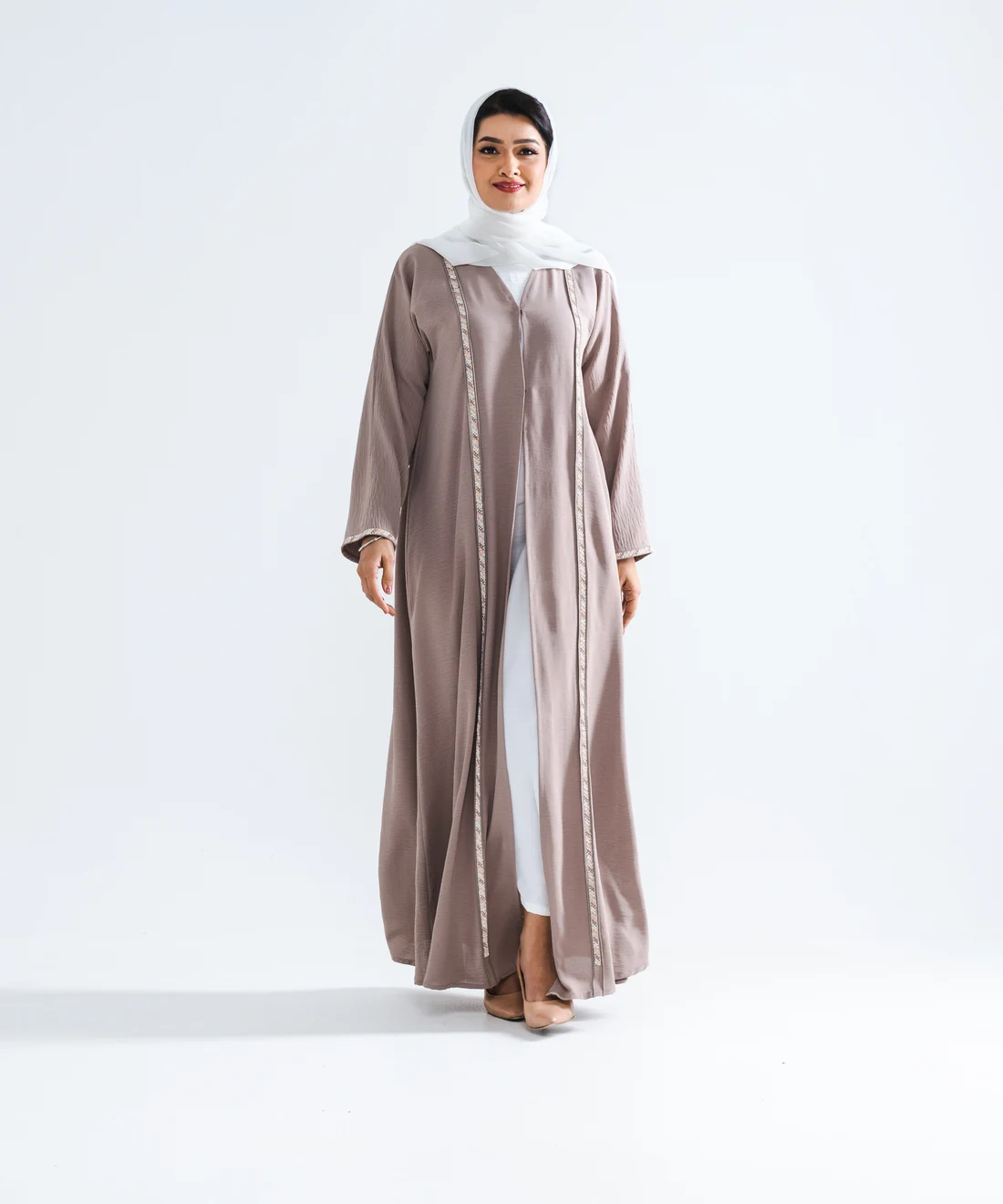
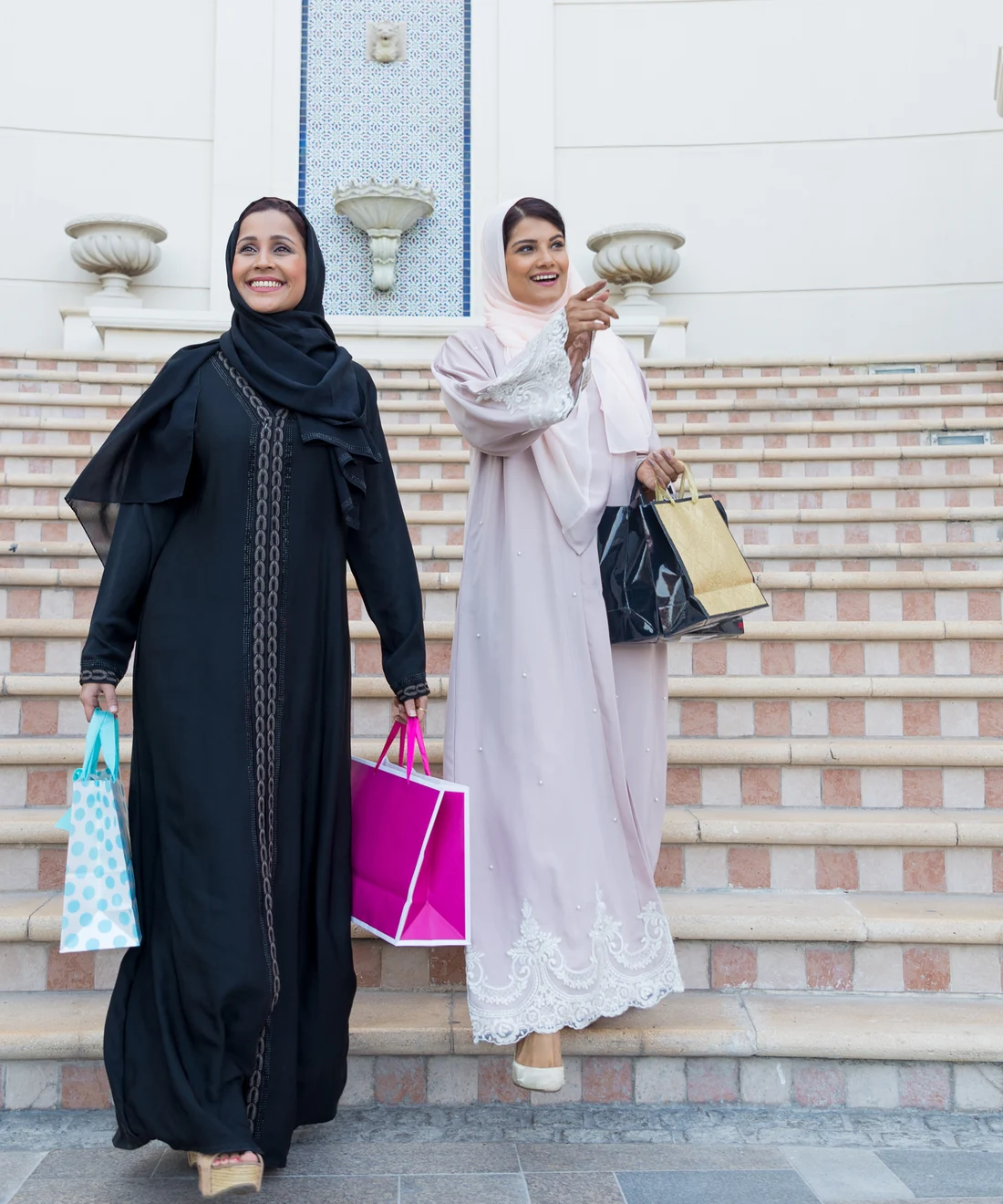
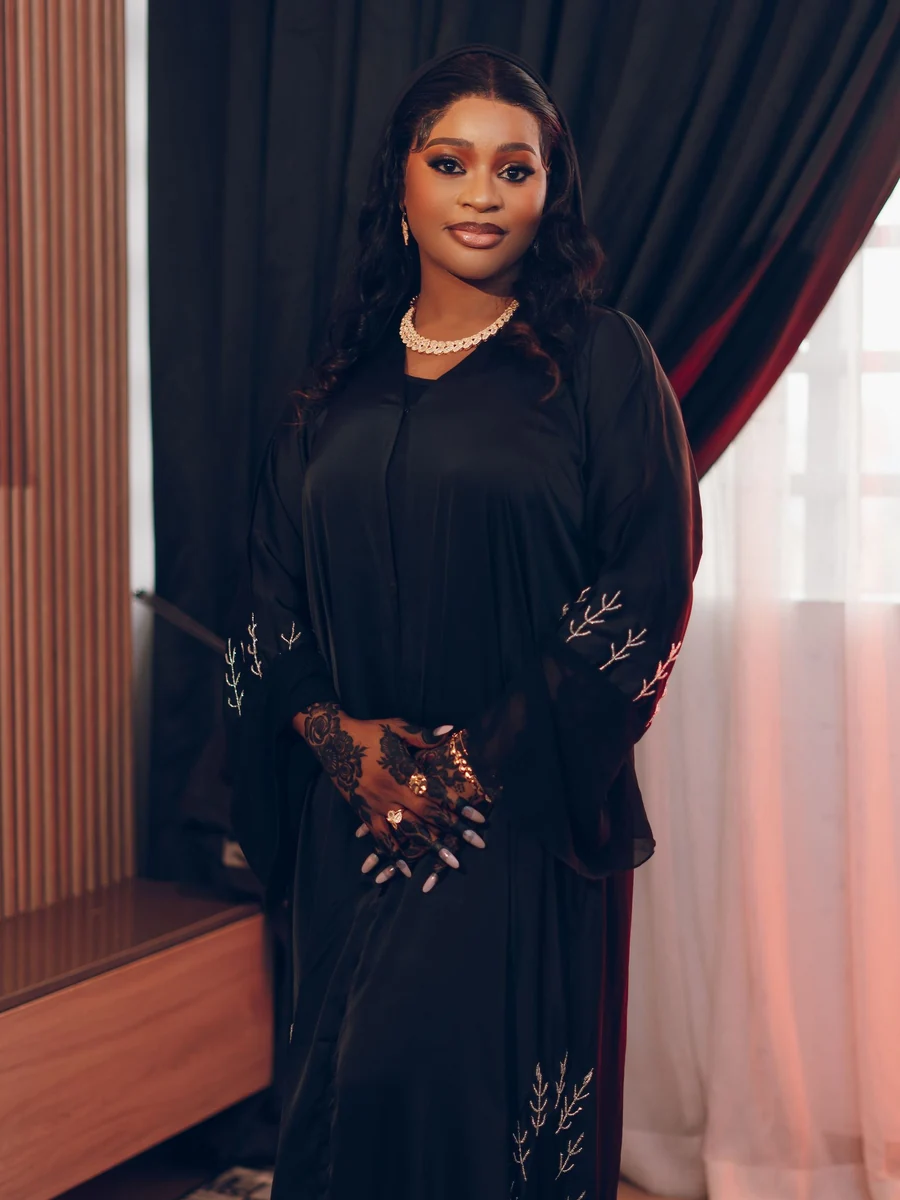
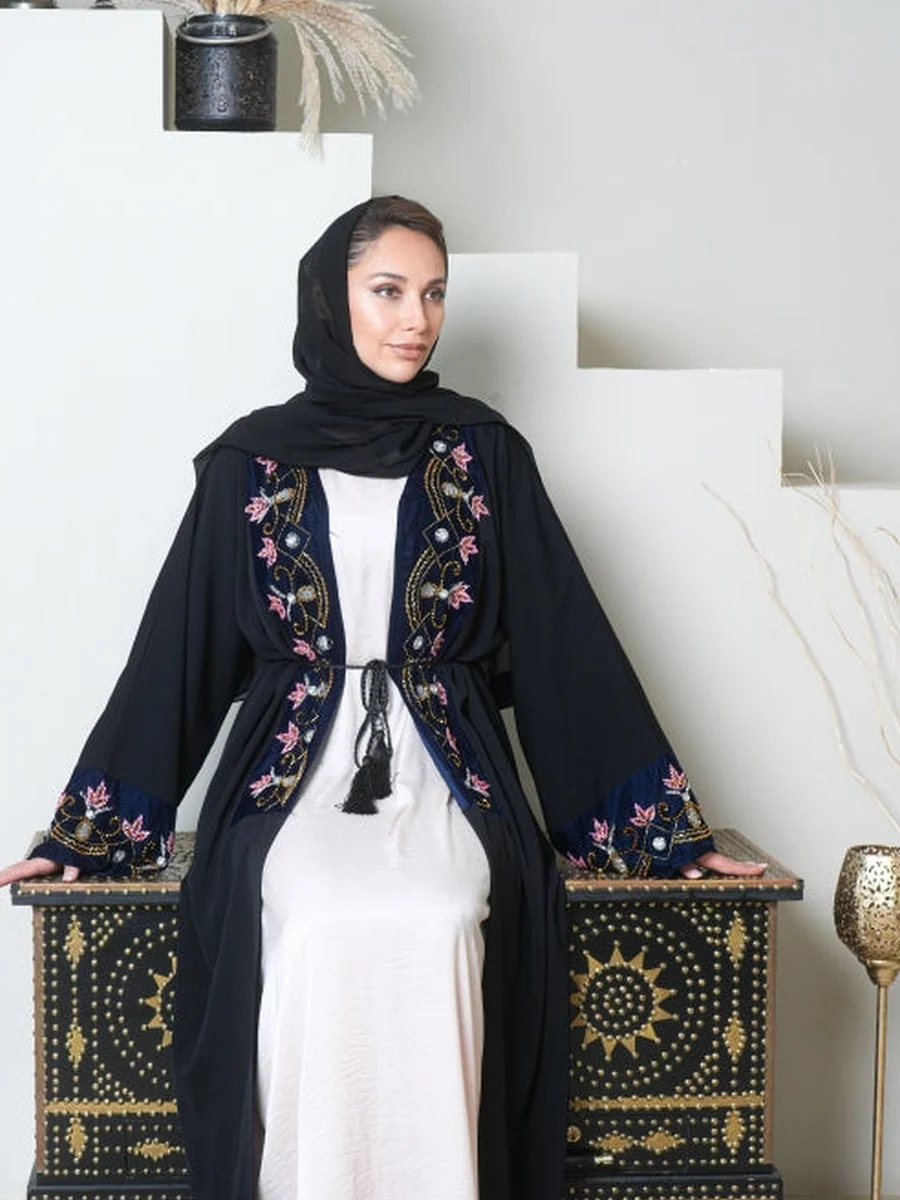
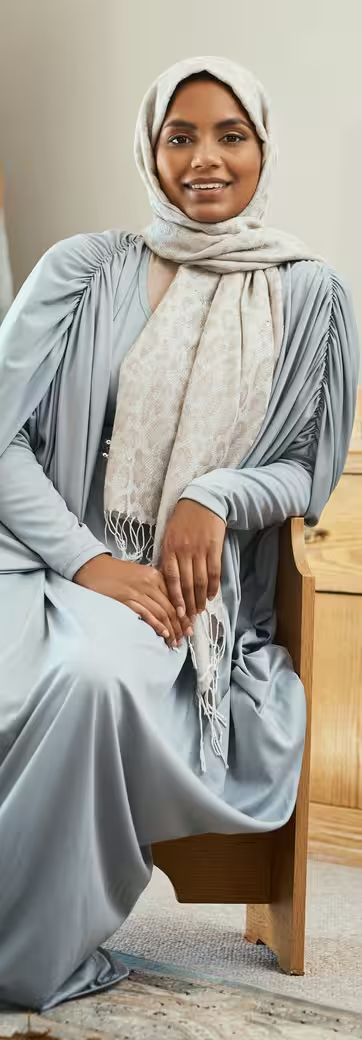
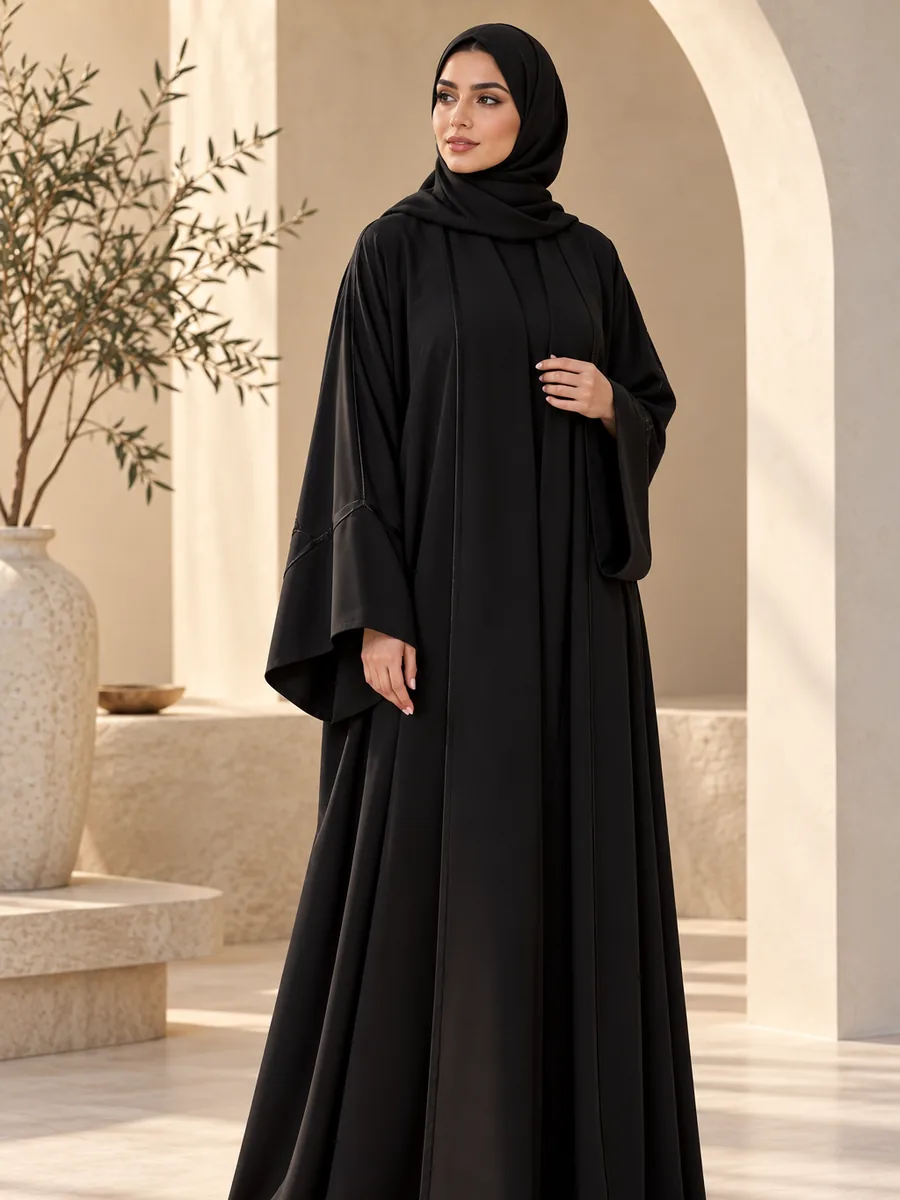
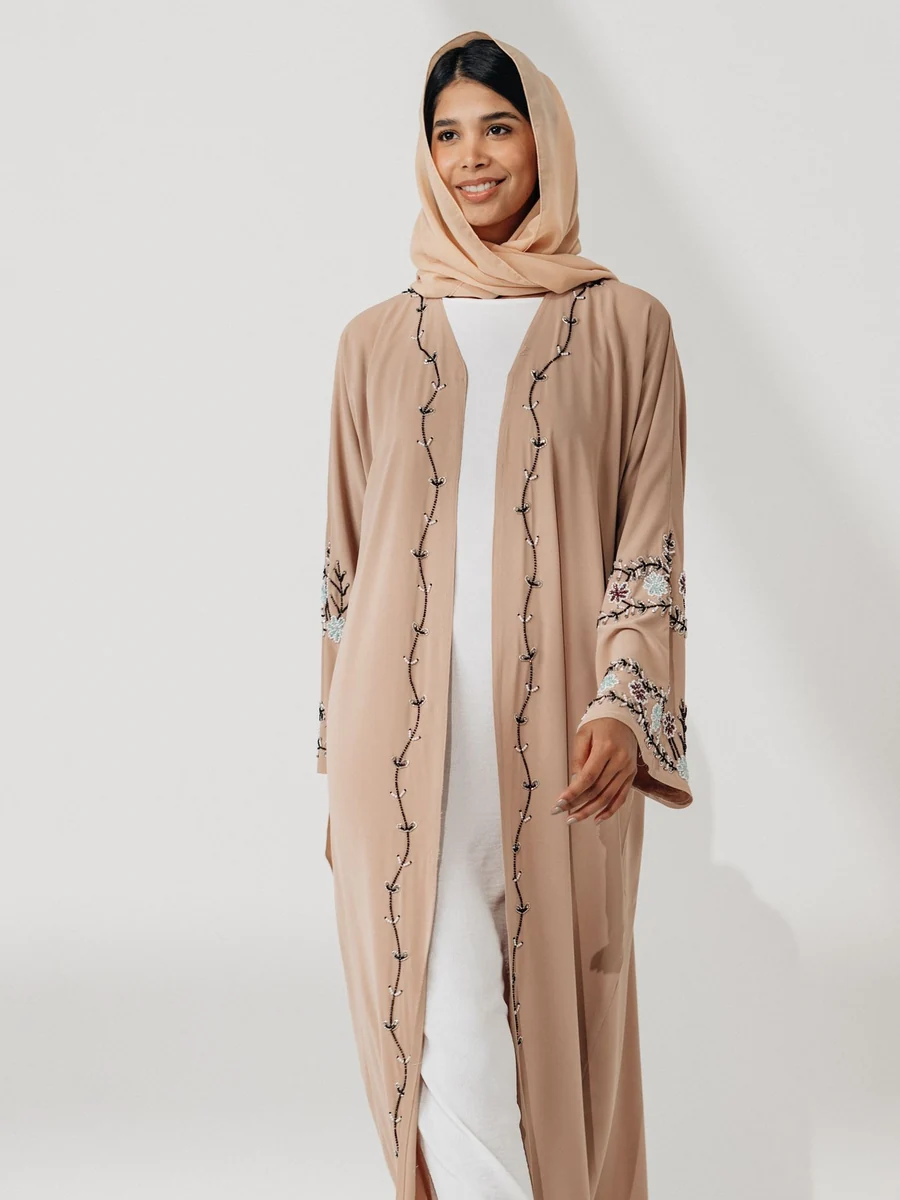
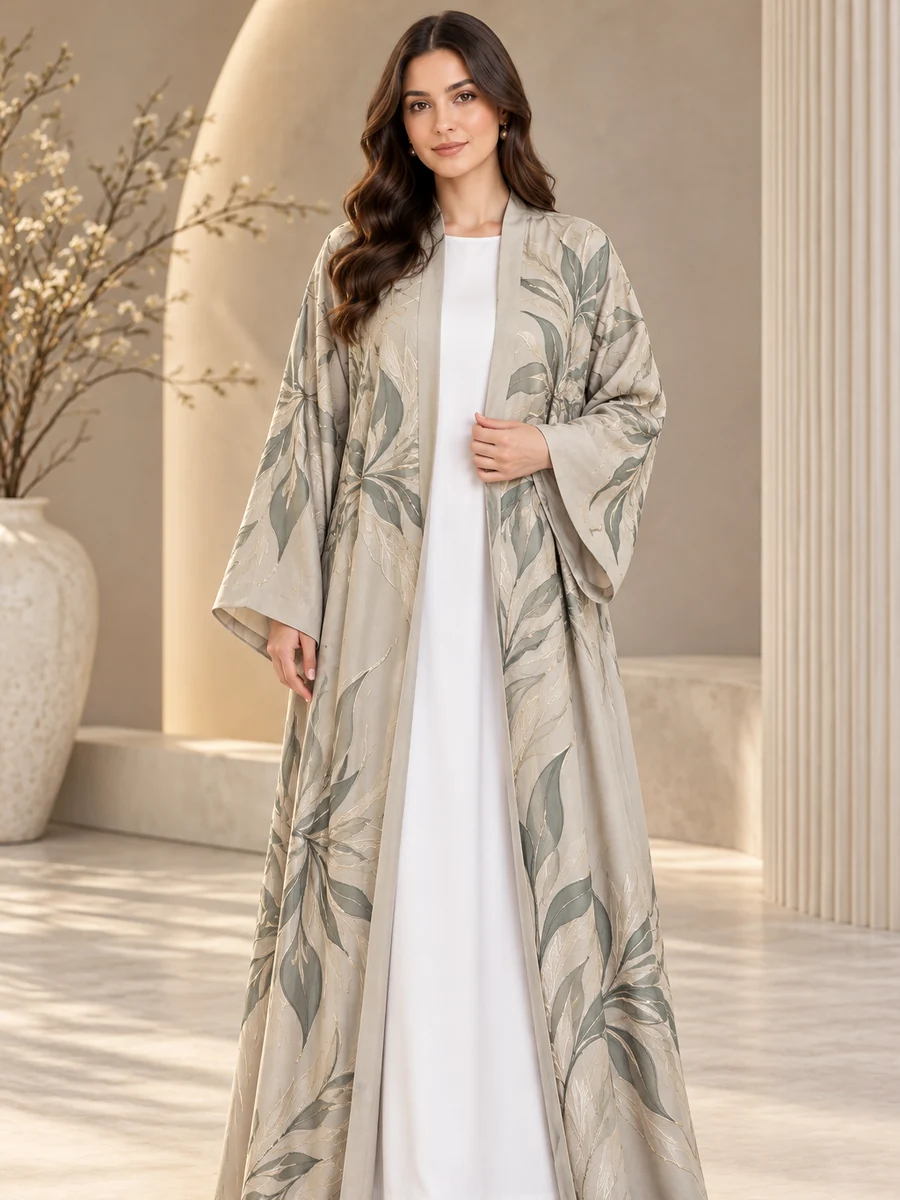
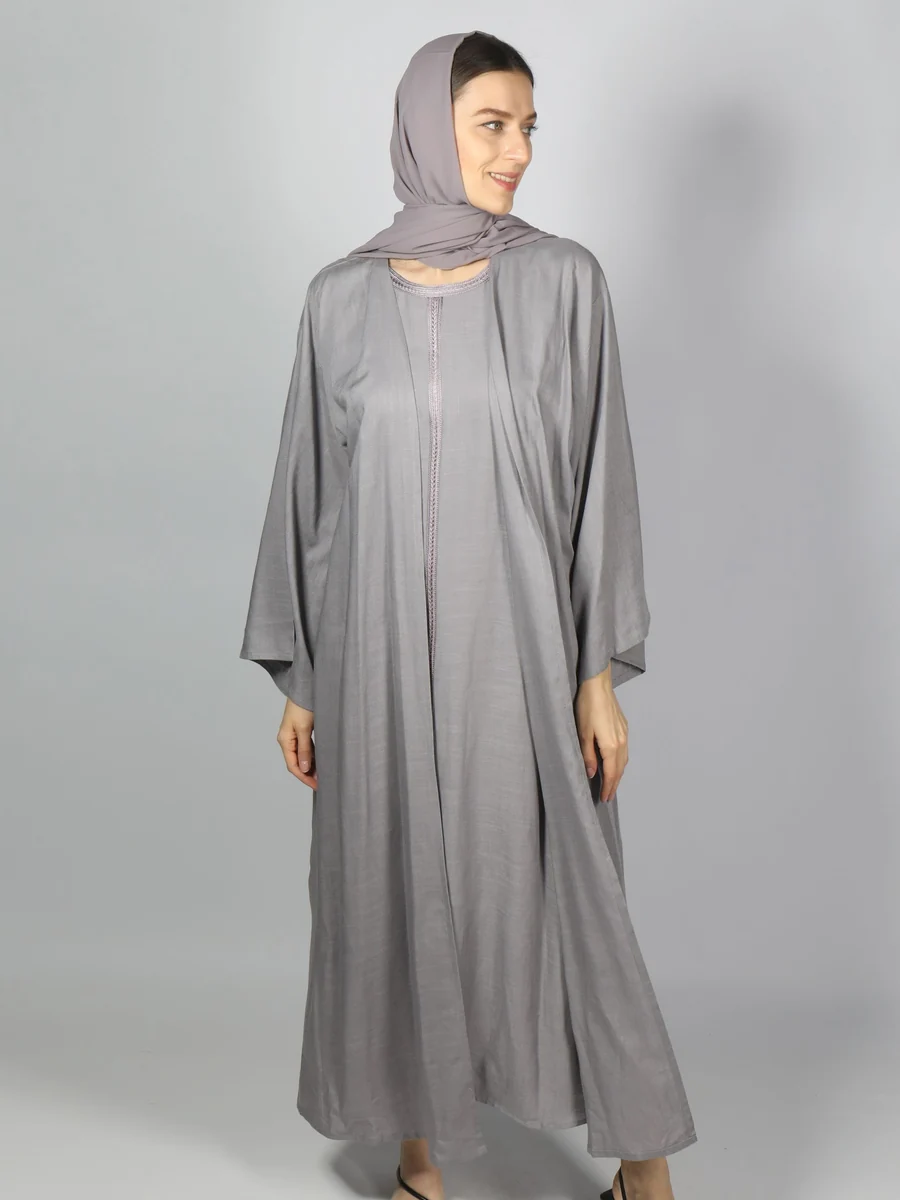
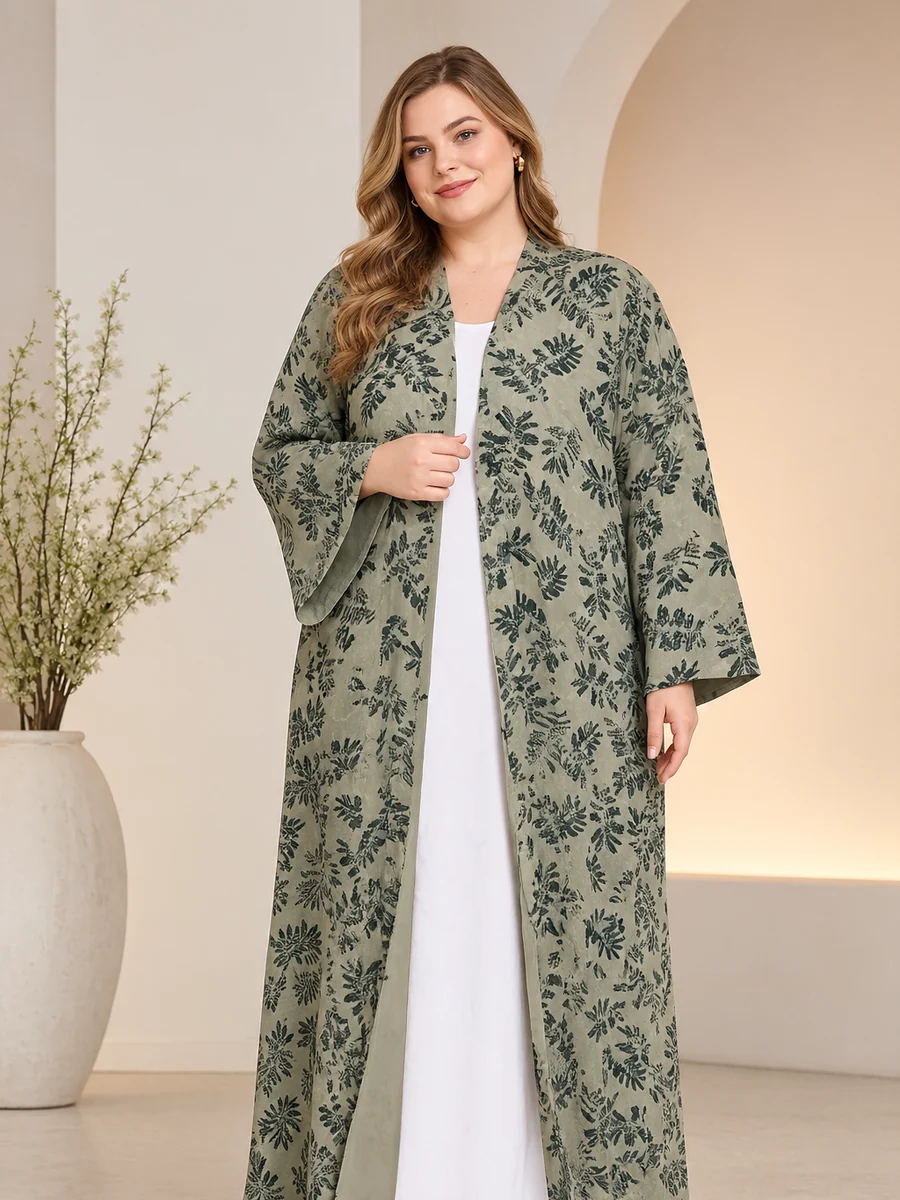
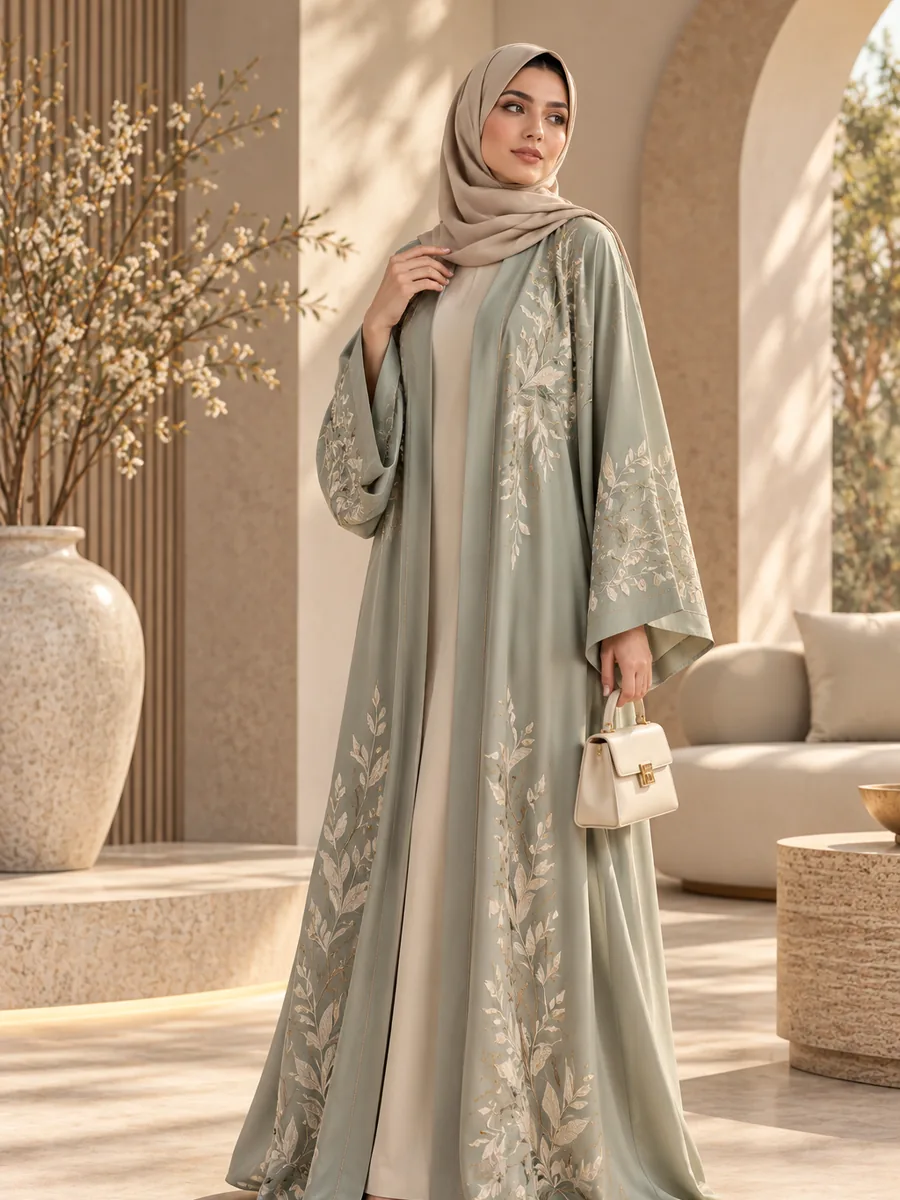
We’re a Dubai-Based Abaya Manufacturer & Wholesaler, creating beautifully tailored abayas that blend modern designs, timeless elegance, and quality craftsmanship.
Shipping to 40+ countries
What We Make.
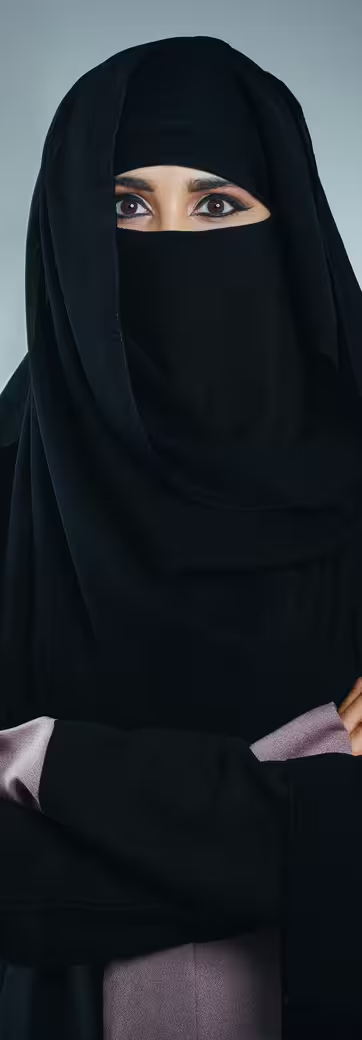
- Closed abaya
Overhead and closed-front cuts for markets that buy full coverage. Strong in the Gulf and in West Africa.
- Butterfly and batwing
Wide panels and dropped sleeves. Photographs well, which is why Instagram resellers reorder it fastest.
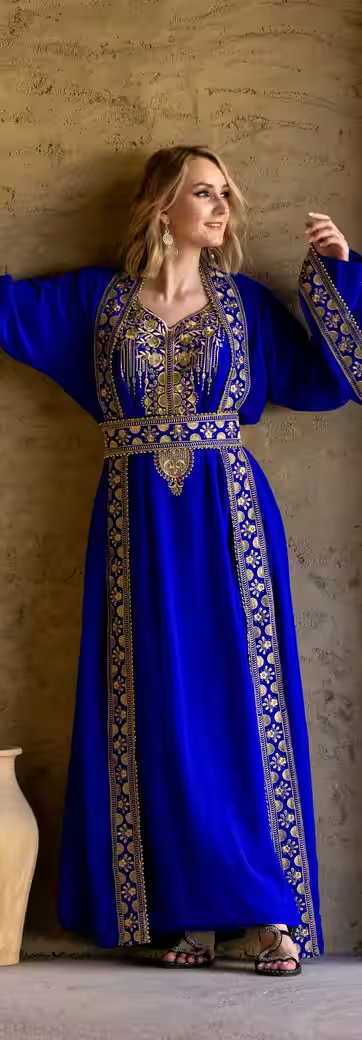
- Farasha
Farasha and kaftan cuts for Ramadan and occasion buying. Order these four months before Ramadan, not four weeks.
- Linen
Linen and linen blends for hot climates. Heavier to ship, so worth grouping into one carton.
- Luxury
Lined, hand-finished, imported fabric. For boutiques whose shelf price starts where most catalogues stop.
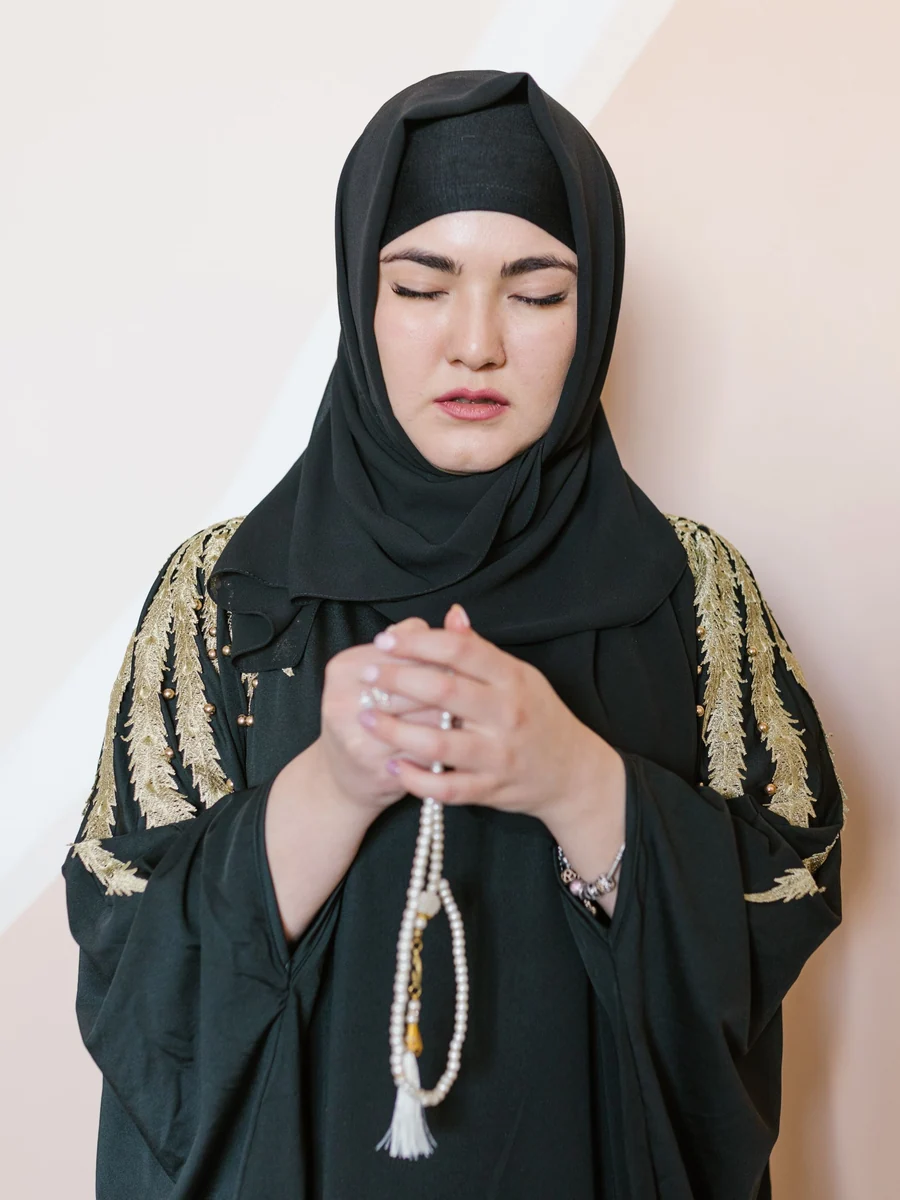
- Prayer sets
One and two-piece prayer dresses. Low return rate, fast reorder, and almost nobody sizes them properly.
- Umrah and Hajj
Washable, wrinkle-resistant travel sets for pilgrimage groups and tour operators buying by the coachload.
- Kids
Graded girls sizes and mother-and-daughter matching sets. Sells hardest in the six weeks before Eid.
- Hijabs
Chiffon, jersey and georgette in matched dye lots, so the scarf actually matches the abaya it ships with.
Services.
Everything a buyer normally has to ask for
These figures appear on every page of this site, worded the same way. If a supplier quotes one minimum on their homepage and a different one on their product page, that is worth noticing before you send a deposit.
Dubai Abaya — wholesale abaya manufacturer, UAE
Reference
- Minimum order
- 20 pieces per order
- Minimum order value
- AED 2,000
- Mixed orders
- Any mix of styles and colours
- Lead time
- 10–12 working days for 20–50 pcs · 15–20 working days for 200+ pcs
- Sample turnaround
- 4–7 days
- Ships to
- 40+ countries · DHL, FedEx, Aramex
- Quote response
- Within 24 hours
Figures are reviewed quarterly. Anything that changes here changes on every page at the same time.
Abayas made in the UAE, sold wholesale to retailers in 40+ countries.

What the minimum order actually means
Buyers get caught by this more than by anything else. A supplier says MOQ 50, the buyer plans a 50-piece first order, and then learns it is 50 per colour across three colours, which is a 150-piece commitment on a design nobody has sold yet.
Counted across the whole order, not per style.
- Minimum order
- 20 pieces
- Minimum order value
- AED 2,000
- Which one applies
- Whichever you reach last
- Styles and colours
- Any mix, no per-style minimum
- Sizes inside one style
- Mix freely, no surcharge
Minimums
20 pieces, 5 designs, 4 colours. Does that work?
Yes. The minimum is counted across the whole order, not per style or per colour, so four pieces of one design and two of another both count toward the twenty.
The one thing to check is value. At our entry price of AED 90 a piece, twenty pieces comes to AED 1,800, under the AED 2,000 minimum, so an order of entry-price styles closes at twenty-three pieces. Mix in embroidered or occasion styles and you reach the value minimum sooner.
Most first orders land between 20 and 60 pieces across four to eight designs. That is enough to see which one sells before you commit to it.
Where this supplier is wrong for you
If you want to test a few styles before a full order, a sample order has no piece minimum, only a minimum value of AED 2,000. If what you need is a few pieces to photograph for less than that, this is the wrong supplier. A marketplace seller in Guangzhou will take that order at a one or two piece minimum.
What the same abaya costs you and what it sells for
Every product page on this site shows both numbers on the same line, because the first thing a boutique owner needs is not a photograph. It is the gap.
| Style | Retail | Wholesale | Your margin |
|---|---|---|---|
| Everyday Nida, open cut | AED 350 | AED 148at 30 pcs | 58% |
| Embroidered crepe kimono | AED 620 | AED 240at 30 pcs | 61% |
| Hand-beaded occasion abaya | AED 1,450 | AED 480at 30 pcs | 67% |
The retail figure is what a comparable piece sells for on a Dubai shop floor. Your own shelf price depends on your market, your rent and your marketplace fees, and in London or Toronto it is usually higher than the Dubai number.
Freight, duty and returns come out of that gap before it is yours. A boutique running at 58% gross on the invoice is often closer to 45% by the time the carton has cleared customs and two pieces have come back.
These three lines are examples, not a price list. Your quote prices your actual styles, quantities and colours.
How an order actually runs
From first message to a tracked carton, this is the whole process and what each part takes. Nothing here changes once you are in it.
- 1
Quote
Send your country, your quantities, the styles you want and the date you need them landed. Back comes a written quote with per-style pricing, lead time, a freight estimate and the payment terms on one page.
Within 24 hours
- 2
Sample order, if you want one
Want to test before a full order? Pick a few styles as a sample order. There is no piece minimum, only a minimum value of AED 2,000, and it is real stock you keep and sell.
From AED 2,000, any number of pieces, not credited against a later order
- 3
Deposit
Confirm the quote and a payment link comes through for the deposit. Card, bank transfer or Wise. Production is booked into the calendar the day it clears, not the day it is promised.
50–60% deposit, the balance on dispatch
- 4
Production with photographs
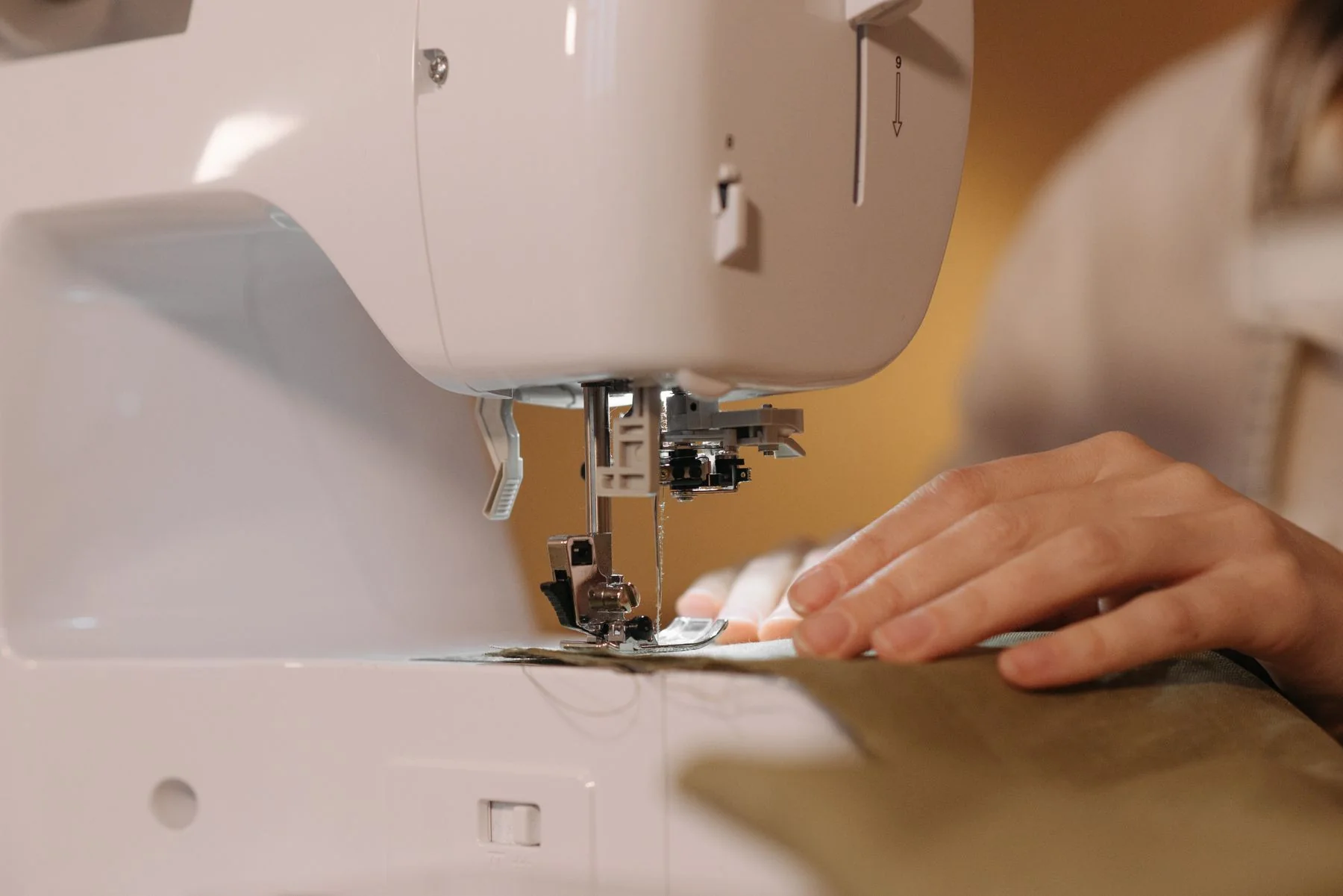
Cutting, stitching, finishing, pressing. Photographs of your actual pieces come through at the halfway point and again at final inspection, before anything is packed.
10–12 working days for 20–50 pcs, 15–20 for 200+
- 5
Tracked shipping
Packed in polybags and export cartons, with a packing list per carton. The tracking number and the commercial invoice come the day it leaves the floor.
3–6 days by express courier, 25–40 days by sea
Payment terms
50–60% deposit on order confirmation, 40–50% on dispatch
Payment methods
- Card via a private payment link
- Bank transfer to the UAE account named on your invoice
- Wise, for buyers who would rather not pay a correspondent bank
The balance is due before dispatch, not on arrival. If that is a problem on a first order, say so at the quote stage rather than at the packing stage.

Your brand, our standards
Private label and OEM production
Search for an abaya OEM manufacturer and you will get Guangzhou and Dongguan. Dubai barely appears, which is strange, because this is where the cut originates.
Private label here means your labels go in and ours never do. No swing tag with our name, no branded polybag, nothing in the carton that tells your customer where it came from unless you want it there.
| Woven brand labelDamask or satin weave, up to four colours, sewn at the back neck or the side seam. | from AED 2.50 per piece500 labels |
|---|---|
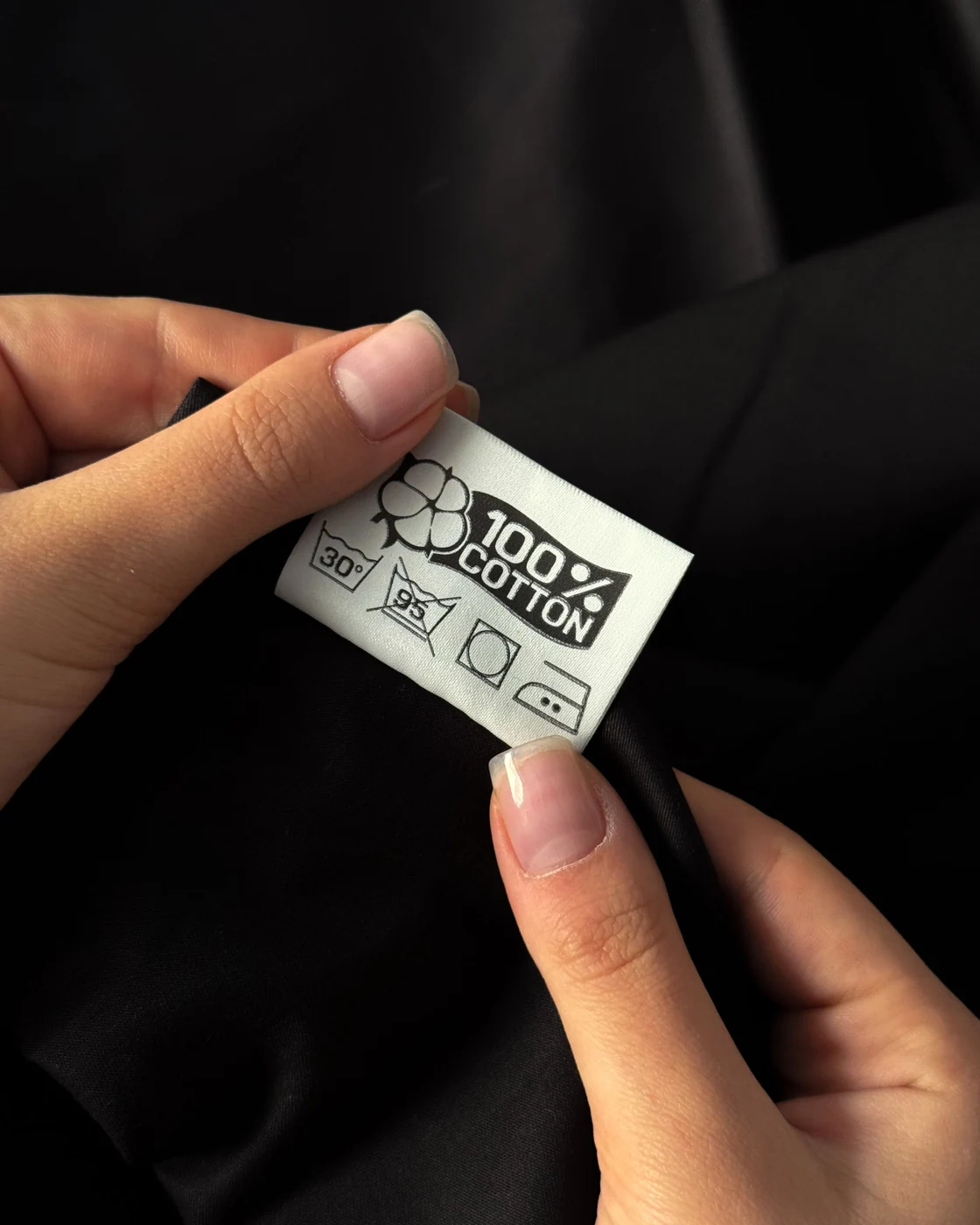
| Size and care labelPrinted satin, fibre content and wash symbols, in English plus one other language if you need it. | from AED 0.90 per piece500 labels |
| Hang tagCard tag with your logo, barcode and price field, strung and attached before packing. | from AED 1.20 per piece500 tags |
| Branded packagingPrinted polybags, tissue, or a box if you sell above AED 500 retail and the unboxing matters. | from AED 3.00 per piece300 units |
Exclusivity
A design you develop with us is not sold to anyone else, and that is written into the order confirmation rather than promised in a chat. Styles from the open catalogue are available to any buyer, which is why they cost less.
Every piece lists what it is actually made of
Go and read the reviews for any modest-fashion brand and you will find the same complaint. Somebody paid a premium price for something described as luxurious and received a polyester that pilled after three washes.
Polyester is a perfectly good abaya fabric. Nida is polyester, it holds a matte finish that natural fibres struggle with, and it is what most Dubai abayas have always been made from. Selling it as silk is the thing that makes buyers angry, and that anger is all over the review sites.
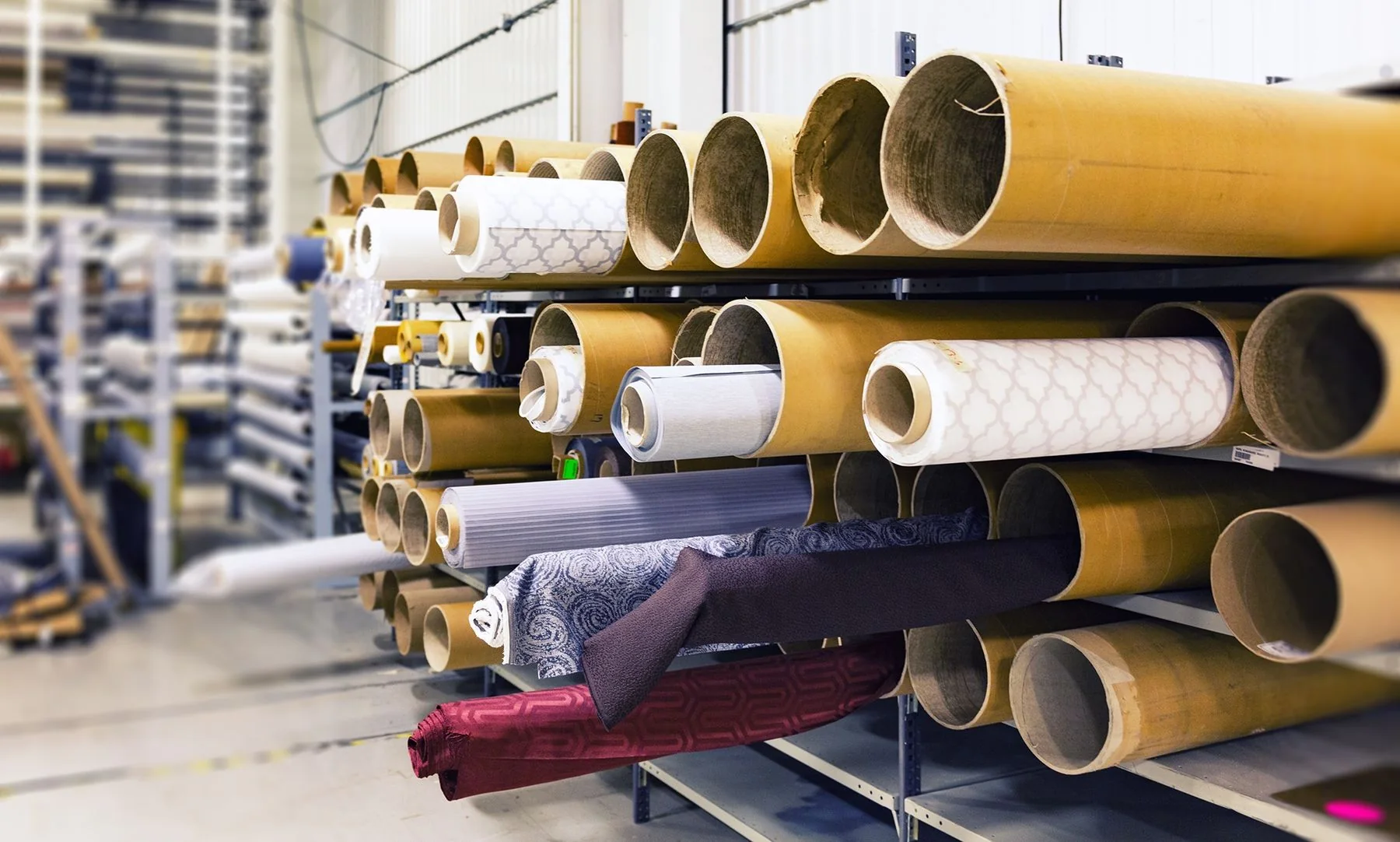
So every product page carries the fibre content and the GSM. Ask what a fabric weighs and the answer is a number, not an adjective. Then check it against the pieces when they land.
| Fabric | Fibre content | Suited to | Weight |
|---|---|---|---|
| Dubai Nida | 100% polyester, matte finish | Everyday abayas in every market. Holds its shape on a rail and forgives a bad steam. | 170–190 GSM |
| Korean Nida | 100% polyester, finer yarn, softer hand | Warmer climates and buyers who want the drape without the weight. Costs more per metre than standard Nida. | 150–170 GSM |
| Crepe and anti-crepe | 95% polyester, 5% spandex on the stretch line | Travel and occasion pieces. Comes out of a suitcase without a crease, which customers notice. | 140–160 GSM |
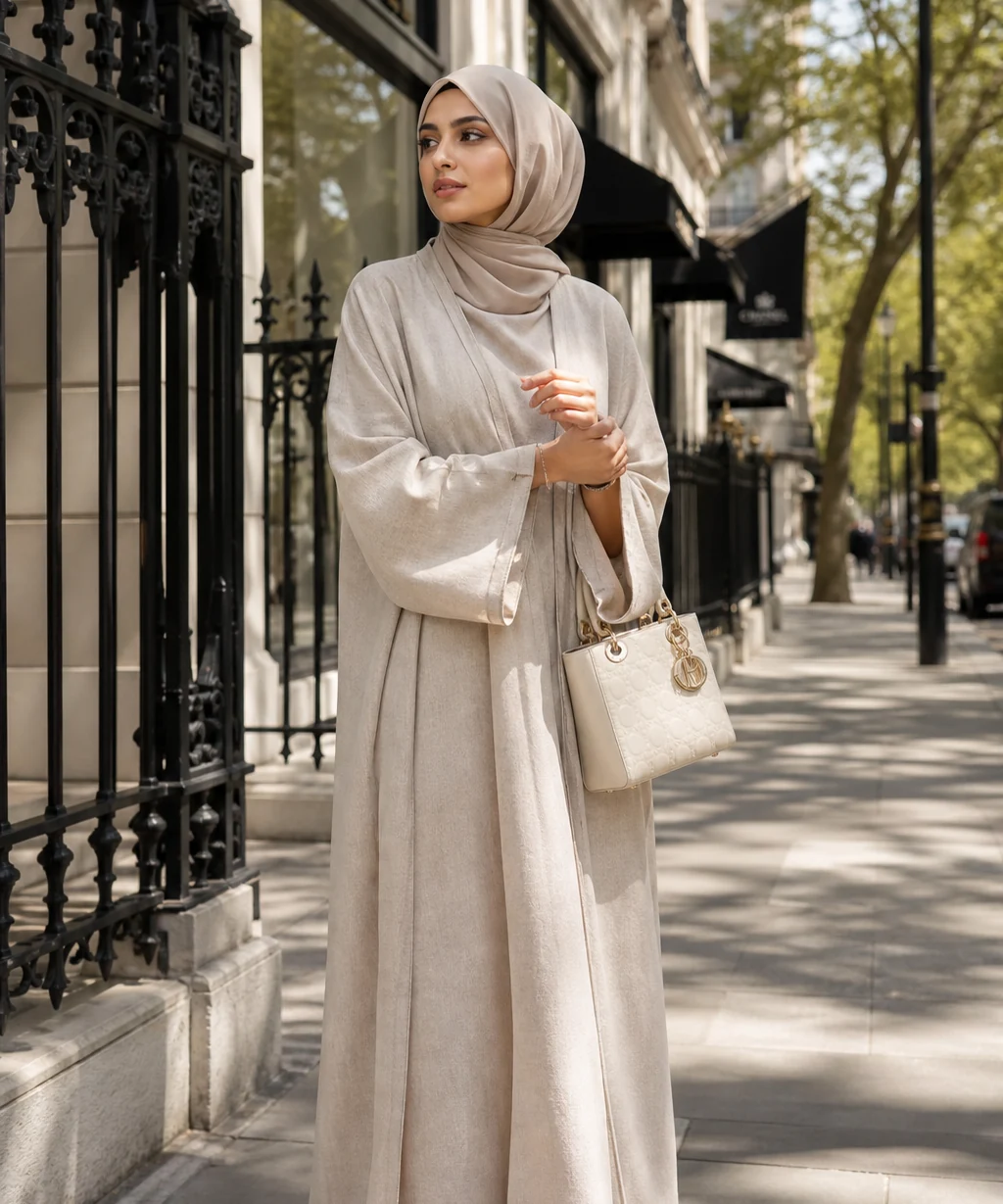
| Linen blend | 55% linen, 45% viscose | Hot climates and summer ranges. Breathes properly, creases honestly, and weighs more to ship. | 190–210 GSM |
| Jersey | 92% polyester, 8% elastane | Everyday wear and Umrah travel sets. The most forgiving fabric on sizing, so returns run lower. | 200–220 GSM |
| Silk and satin | Mulberry silk on the atelier line, polyester satin on the occasion line, labelled separately | Occasion and atelier pieces only. Real silk and satin never share a product page here. | 110–130 GSM |
If the fibre content on a delivered piece does not match what the product page said, the order is replaced or refunded in full, including the freight both ways.
Fabric guide, with GSMShipping from Dubai to your market
Each country page carries the lane, the transit days, the size run that market actually buys, the payment methods that work there, and the paperwork you will be asked for.
- 01USA
- 02United Kingdom
- 03Canada
- 04Australia
- 05Germany
- 06Malaysia
- 07Indonesia
- 08Nigeria
- 09South Africa
- 10GCC
Express air is the default under about 300 pieces. A 30 kg carton holds roughly 40 to 60 everyday abayas and moves door to door in three to six days.
Above that, sea freight costs a fraction per kilo and takes 25 to 40 days port to port, plus clearance. Ramadan orders that go by sea need to leave Dubai about four months out, which is the deadline most first-time buyers miss.
Duty rates are not published on this page. They change by country, by fabric composition and by year, and a wrong number here would cost you real money at the border. Each destination page states a rate only where a customs broker has confirmed it, and says plainly where one has not.
Seven kinds of buyer, seven different problems
A mosque buying 200 identical pieces for a charity drive and a private-label brand developing a collection need almost nothing in common. Find yours.
Boutique owners
Bricks and mortar or Shopify, buying three or four times a year around Ramadan, Eid and the autumn restock. Consistent sizing across reorders matters more to you than novelty, because inconsistent sizing is what fills your returns shelf.
Usually 50 to 200 pieces across 5 to 15 designs
Online and Instagram resellers
Working capital is the constraint, not demand. Start with 30 pieces across three designs, find out which one your audience actually buys, then build your next order around that one.
Usually 20 to 60 pieces on a first order
Dropshippers
Read the dropshipping page before you enquire. True one-piece-at-a-time fulfilment is not what this floor is built for, and pretending otherwise would waste your time and ours. There is a small-case-pack route that works better for most people who arrive asking about dropshipping.
Case packs rather than single-unit fulfilment
Private-label startups and brands
Your labels, your patterns, your colourways, and a written commitment that the design does not appear in anyone else’s catalogue. Bring a tech pack or bring a photograph and a tape measure.
Usually 100 to 500 pieces per style
Distributors and regional wholesalers
Buying to resell into a national market, so what you need is a repeatable price at volume, a lead time you can promise your own customers, and stock that arrives the same as it did last time.
Usually 500 pieces and up, on a repeating cycle
Mosques and community groups
Buying for a distribution, a charity drive or a welcome kit, usually as a volunteer rather than a merchandiser. No trade licence is required to order, the everyday tier is where the value sits, and the invoice will carry whatever your treasurer needs on it.
Usually 50 to 300 pieces of one or two styles
Marketplace sellers
Amazon, Etsy, Noon and the rest take their cut before you see a margin, and a stockout on a ranking listing costs more than the stock did. Ask about the reorder lane on styles you have already run.
Usually 30 to 150 pieces to test, then fast reorders
( Straight answers )
Questions buyers ask us
The questions boutique owners and resellers ask us most, answered plainly.
01Ordering and minimums
What is the minimum order?
A normal order is at least 20 pieces and AED 2,000, in any mix of styles and colours, and whichever you reach last sets the size. At our entry price of AED 90, that comes to 23 pieces. If you only want to test a few styles, a sample order can be fewer pieces, as long as it is worth AED 2,000.
Is the minimum per style or per colour?
The minimum is per order, not per style or per colour. You can mix as many styles and colours as you like to reach 20 pieces and AED 2,000, and a style can be just a few pieces. Some suppliers count their minimum per colour, which can make a first order much bigger than you planned, so always ask.
Can I buy a single piece, or a small order to test the market?
We only sell wholesale, so we don't sell single pieces. To test the market, place a sample order. It has no piece minimum, only a minimum value of AED 2,000, so you can try a few higher-priced styles in fewer than 20 pieces. It is real stock you keep and sell.
How do I place a wholesale order?
Send us an enquiry from our website or on WhatsApp with the styles and quantities you want. We reply with a quote and a payment link. You pay a 50–60% deposit to start, and the rest when your order is ready to ship.
How long does it take to make my order?
Production time depends on the styles, the quantity and extras such as embroidery or your own labels, so we give it to you in your quote, before you pay anything. If you are working to a date, like Ramadan or a shop launch, tell us in your first message so we can plan around it.
Do you work with small shops and first-time buyers?
Small shops and first-time buyers are exactly who our 20-piece minimum is for. We sell to boutique owners, online sellers on Instagram and TikTok, and people starting their own abaya brand. You don't need a warehouse or a long track record. We only sell wholesale, though, so we can't take orders from shoppers buying for themselves.
02Prices and payment
How much does a wholesale abaya cost?
Our prices start from AED 90 a piece for a finished abaya in our entry fabric. Heavier fabric, linings, embroidery and beadwork cost more, which is why every price on our site is written as a starting price. Send us the styles you like and we will send you exact prices.
Can I see your prices without asking for a quote?
Every style on our website shows its starting price, and you don't need an account to see it. Your quote can come out higher if you choose heavier fabric or add handwork, but you see the full price of your abayas before you pay. Many suppliers hide prices until you message them, and we think that wastes your time.
Do you give a lower price for bigger orders?
The price per piece comes down as your order grows, and it is set by the size of your whole order, not by each style. Fabric still changes the price more than quantity does, so we quote every style separately. Tell us your real quantity when you ask for a quote, even if it is only a rough guess.
How do I pay?
We send a payment link with your quote. You pay a 50–60% deposit to start production, and the balance on dispatch, after we send you photos of your packed cartons.
Is it safe to pay a supplier before the goods arrive?
Our terms are set up to cut that risk: you pay a 50–60% deposit to start and the rest only after you see photos of your packed cartons. You do still pay in full before your order leaves Dubai, so check us first. Order a sample first, and ask for our spec sheet in writing.
Why are some wholesale abayas so much cheaper than others?
Cheaper abayas are usually made from thinner fabric. A light, shiny polyester can look fine in a photo and cost far less than a heavy Nida that hangs well and isn't see-through. Stitching matters too, because cheap abayas often skip overlocked seams inside. Ask any supplier, us included, to name the exact fabric, and check a sample before you compare prices.
03Shipping and customs
Which countries do you ship to?
From Dubai we ship to more than 40 countries, and the full list is on our shipping page. If your country isn't there, ask us on WhatsApp or email. We may still be able to get your order to you.
How long will delivery take?
Delivery time depends on your country and the size of your order, so we give it to you in your quote, along with the time needed to make your abayas. Add both together when you plan. If you need stock before Ramadan or Eid, order early and tell us your date, because those weeks get busy.
How much does shipping cost?
Shipping is quoted for each order, because the cost depends on where it is going and how much it weighs. More pieces and heavier fabric mean heavier cartons. You see the shipping cost in your quote next to the price of your abayas, so you can work out your real cost per piece before you pay.
Will I have to pay customs duty or VAT when my order arrives?
In most countries you will pay import duty or VAT, or both, when your abayas arrive. Your country sets the amount, not us, and it depends on the value of your order and how your customs office classes abayas. The importer, which is usually you, pays it. Ask your local customs office or a customs broker before your first order, so the bill is not a surprise.
Do I need an import licence or a customs broker?
Import rules differ by country, so check with your customs office before your first order. In the UK and EU, for example, a business needs an EORI number to import goods. For small shipments the courier can often clear customs for you, for a fee. For bigger orders, many buyers pay a customs broker to handle the paperwork.
What documents come with my shipment?
Your order travels with an invoice that lists what is in the cartons and what it is worth, because customs in every country needs it. Customs uses it to decide how your abayas are classed and how much duty you pay. Some countries want their own forms too, such as Form M in Nigeria, so ask your broker what yours needs.
04Samples, quality and trust
How do I know I can trust you with my order?
Order a sample first, so you can hold the fabric and check the stitching before you commit. Every abaya is made in the UAE to our spec sheet, and we manage production from start to finish. You see photos of your packed cartons before you pay the balance, and you have 7 days to report any fault.
How can I tell if an abaya supplier is a scam?
Be careful if a supplier wants the full amount by bank transfer before you have seen anything, won't tell you the exact fabric, or goes quiet once you pay. Ask for their trade licence and check the company name matches your invoice. Search their name with the word reviews, and start with samples before you trust them with a big order.
Can I order samples before I buy in bulk?
You can, as a sample order. It has no piece minimum, only a minimum value of AED 2,000, so you can pick a few styles and test the fabric and fit properly. It is real stock you keep and can sell, so it is not taken off a later order. Shipping is quoted separately.
Will my bulk order match the sample?
Your bulk order should match the sample, because both are made to the same spec sheet. The only thing that can shift a little is the shade, since fabric is dyed in batches, so tell us if colours must match across a set. Keep your samples to compare with your order, and tell us within 7 days if anything arrives faulty.
How do I check the quality of an abaya before buying in bulk?
Hold the abaya up to a strong light to see if it is see-through. Turn it inside out and check that the seams are overlocked and the hem is even. Steam it, wash it the way your customer would, and see how it looks after. A sample order lets you do this on a few styles first.
What happens if my order arrives faulty or damaged?
Tell us within 7 days of delivery, on WhatsApp or email, and we will put it right. Send clear photos of the faulty pieces and of the carton they came in. Open and check every carton as soon as it arrives, because a problem reported after 7 days is much harder for us to sort out.
Show 24 more questions (48 in total)Show fewer questions
05Private label and custom design
Can I put my own brand label on your abayas?
Yes, we can have your own brand labels sewn into our abayas, add your hang tags and pack them in your own packaging. That works on styles from our catalogue or on a design we make with you. Nothing in the carton needs to show our name, so your customer only sees your brand.
What is the minimum order for private label?
Private label orders have the same minimum as any other order: 20 pieces and AED 2,000, in any mix of styles. The catch is the labels. Companies that weave labels set their own minimums, so on a small first order a printed label is often the cheaper choice. We price your labels and packaging in your quote.
Can you make an abaya from my own design, a photo or a sketch?
A photo or a rough sketch is enough for us to start. Send a photo of an abaya you like with notes on what to change, or a tech pack if you already have it. A real garment posted to us works best of all. We make a sample first, you tell us what to fix, and we only make your order once you approve it.
Will you sell my design to other buyers?
No, a design you develop with us is not sold to anyone else, and we put that in writing on your order. Styles from our catalogue are different, since any buyer can order those. A fair warning, though: once your abaya is on sale, anyone can buy it and copy it, so your brand name matters more than any contract.
What is the difference between private label and white label?
White label means you pick a design from our catalogue and add your own label, so other shops may sell the same design under their names. Private label means the design is developed with you and belongs to you. White label is faster and cheaper to start. Private label costs more but gives you something no other shop has.
How much does it cost to make my own abaya design?
Custom designs start from AED 90 a piece like the rest of our range, but most cost more, because you choose the fabric and the details. Making the pattern and the first sample is priced per design, and you don't pay for it again when you reorder. Send us your design and we will quote it.
06Fabric and sizing
What fabrics do you make abayas in?
Nida is our main fabric, in several grades, and we also work with crepe, satin, chiffon, jersey and linen blends. Each style on our site names its exact fabric, so you know what you are buying before you ask. If you want a fabric you don't see, tell us and we will say honestly whether we can get it.
What is the difference between Nida and Korean Nida?
Korean Nida is a higher grade of Nida. It is usually heavier and smoother, with a better drape, and it is less likely to be see-through. Ordinary Nida is lighter and cheaper, which suits everyday abayas at a lower price. The name Korean Nida is used loosely in the trade, so judge the fabric from a sample, not from the label.
Which abaya fabric is best for hot weather?
Light, breathable fabrics such as linen blends and light crepe are best for heat. Nida is soft and easy to care for, but it is usually polyester, so it can feel warm outdoors in a hot summer. If your customers live somewhere hot, tell us and we will suggest fabrics that suit the climate.
How do abaya sizes work?
Abayas are mostly sized by length, measured from the shoulder to the hem, rather than by standard dress sizes. Each style on our site has a size chart with the length and bust for every size. Sizes are not the same between suppliers, so always check the chart instead of assuming your usual size.
Do you make plus sizes?
Yes, our plus sizes are cut from a pattern made for a fuller figure, not a standard pattern made bigger, so the shoulders and armholes sit properly. We also make petite and tall versions to order.
Which sizes should I order for my shop?
Order more of the middle sizes and fewer of the smallest and largest, then adjust after your first sales. Because our minimum counts across your whole order, you can cover every size without buying deep in any of them.
07Starting an abaya business
How do I start an abaya business?
Start small and test before you buy deep. Decide who you are selling to, then try a few styles with a sample order, which has no piece minimum. Photograph them on real people, sell on Instagram or TikTok, and put whatever sells first into a full order.
How much money do I need to start an abaya business?
For stock, your first order with us starts at AED 2,000. That can be a sample order of a few styles, or a normal order of 20 pieces or more. On top of that, budget for shipping, import duty in your country, packaging, photos and some advertising.
Is an abaya business still profitable, or is the market saturated?
An abaya business can still be profitable, but not if you sell the same abaya as everyone else. The market is crowded, so the sellers who do well choose a clear customer, such as workwear, plus size or occasion abayas, and show the real fabric and fit. Sales jump before Ramadan and Eid and slow down after, so plan your cash for the quiet months.
How should I price my abayas when I resell them?
Work out your full cost per piece first: our price, plus your share of shipping, import duty, packaging and advertising. Then look at what similar abayas sell for in your market and price from there, not from your cost alone. Leave room for Eid offers, because a price you can't discount will hurt you later.
Can I dropship your abayas?
We don't send single parcels to your customers. You buy stock from us, from our minimum of 20 pieces, and send orders to your customers yourself. That way you see the quality before your customer does and you control delivery. It also means you own the stock before you sell it, which matters to sellers who worry that dropshipping isn't halal.
Do I need a trade licence to buy from you?
You don't need a trade licence to buy from us. The rules for selling depend on the country you sell in, and many places want you registered before you trade online, so ask your local business or tax office before you launch. If you plan to sell inside the UAE, you will need a UAE licence that covers online selling.
08About production and sourcing in Dubai
Where are your abayas made?
Every Dubai Abaya piece is made in the UAE to our specifications and shipped from Dubai. We manage production from start to finish: we choose the fabric, set the standards, inspect every order and pack it. We don't dropship from China, so one company is accountable for your whole order, from fabric to carton.
Can I see my order while it is being made?
Yes. We send photographs of your actual pieces at the halfway point and again at final inspection, then photos of your packed cartons before you pay the balance. If anything arrives faulty, tell us within 7 days and we will put it right.
Why buy abayas from Dubai instead of China?
China is often cheaper per piece, and we won't pretend otherwise. Buying from the UAE, you get abayas made where they are worn every day, a minimum of 20 pieces in any mix instead of a large minimum per style, and one company accountable for the whole order. The fair test is to order samples from both and compare them side by side.
Which is the best place to buy abayas wholesale in Dubai?
Many UAE boutiques buy ready stock at Naif Souq in Deira or at the abaya markets in Ajman, where you can pick pieces by hand and bargain. That works well if you are in the UAE and happy with whatever is on the rails that week. If you need the same style again in the same fabric, or your own label, a supplier that makes to order is the better choice.
How do I find a reliable abaya supplier in Dubai?
Look for a supplier who names the exact fabric of every style and tells you plainly whether the minimum is per order or per style. Published prices and a published sample price are good signs too. They should reply quickly and put the spec of every style in writing. Then order samples, because nothing on a website replaces holding the fabric in your hands.
What styles and colours do you make?
We make everyday closed abayas, open-front styles, formal pieces and embroidered designs, in black and in colours such as beige, blush pink and sage. Every style in our shop lists its colours and sizes. If you are looking for something we don't show, send us a photo and we will tell you if we can make it.
Trusted by brands who aren’t afraid to stand out.