
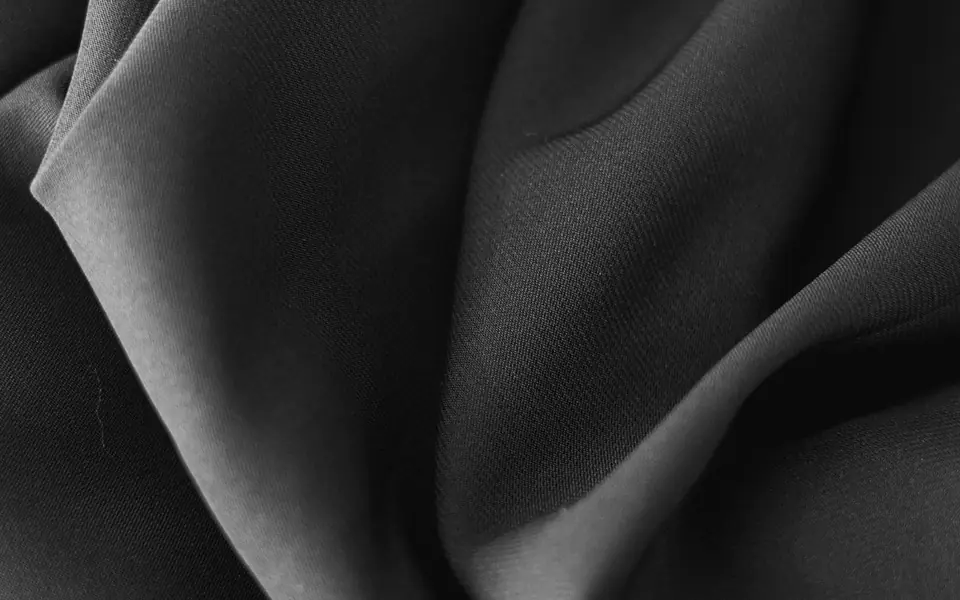
( 10 ) · fabric
Wholesale linen abayas
Real linen, woven from flax, for customers who are actually hot. It breathes better than anything else we use and it creases, which is the trade. We print the fibre content and the weight on every style. 20 pieces in any mix.
In short
Linen is a natural fabric woven from flax. It is the most breathable cloth used for abayas, dries fast and stays cool in real heat, but it creases within the hour and can show through in pale colours below about 140 GSM. Much fabric sold as "linen" is mostly polyester, so always confirm the fibre content.
- Fibre
- Flax, and linen blends
- Weight
- 140–200 GSM, printed per style
- Minimum
- 20 pieces, any mix
- Best for
- Hot and humid markets
Linen is cut to order
Linen moves by season and by lot. Tell us your market and your timing and we will quote what is available now, with the fibre content in writing.
Prices and terms reviewed September 2026
Why buyers pick linen
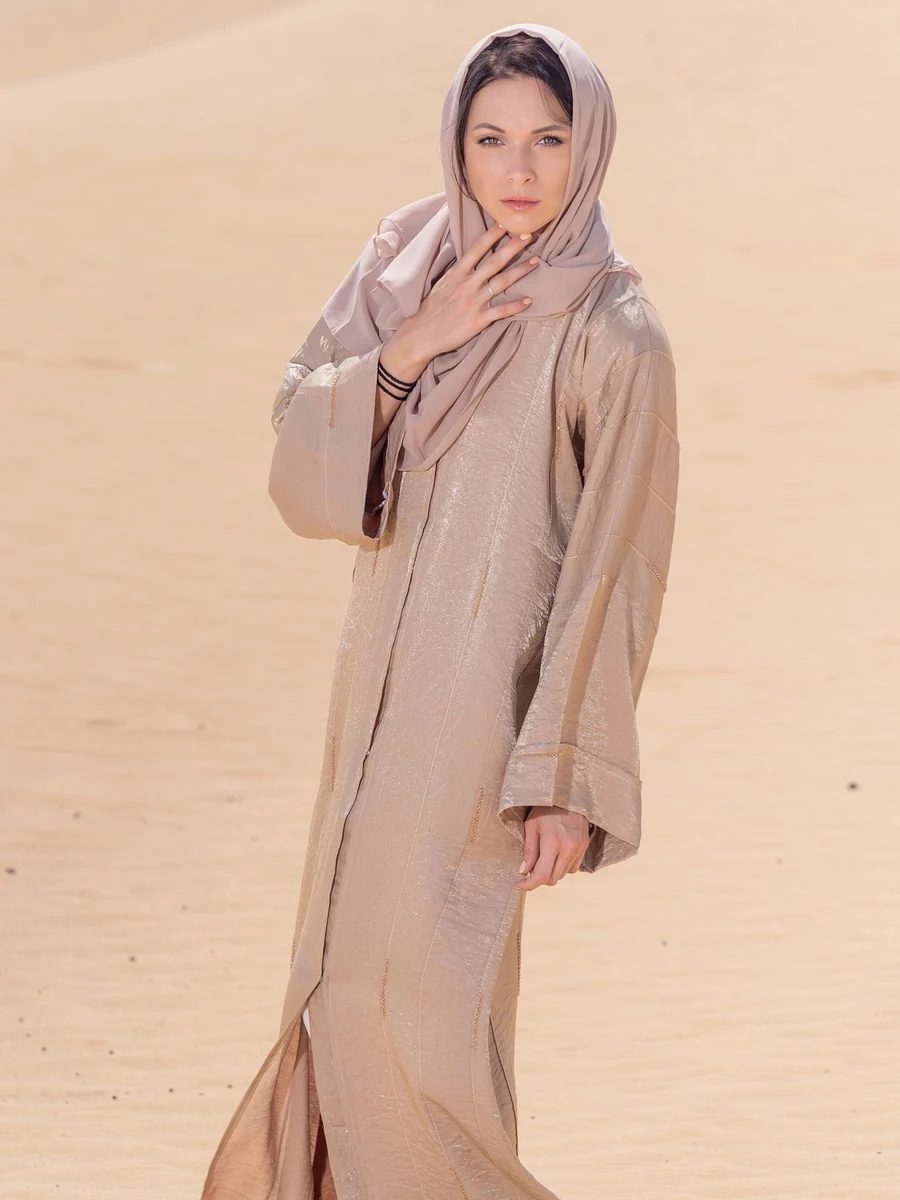
The most breathable cloth we use
Flax moves air and dries fast. In genuine heat nothing else in the range comes close, and your customers will tell you so.
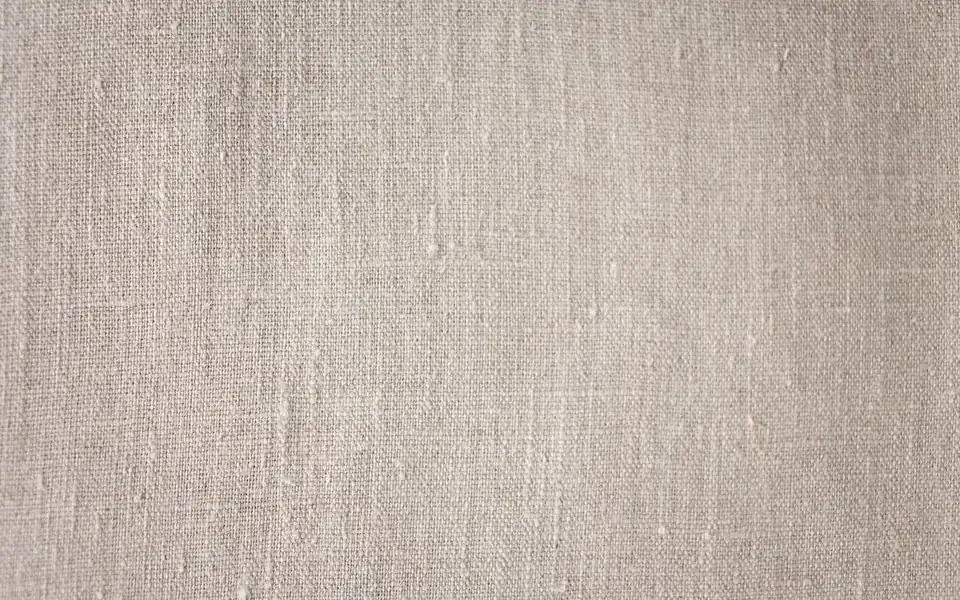
We publish the fibre content
A great deal of "linen" on the market is mostly polyester. Ours says exactly what it is, per style, in writing.
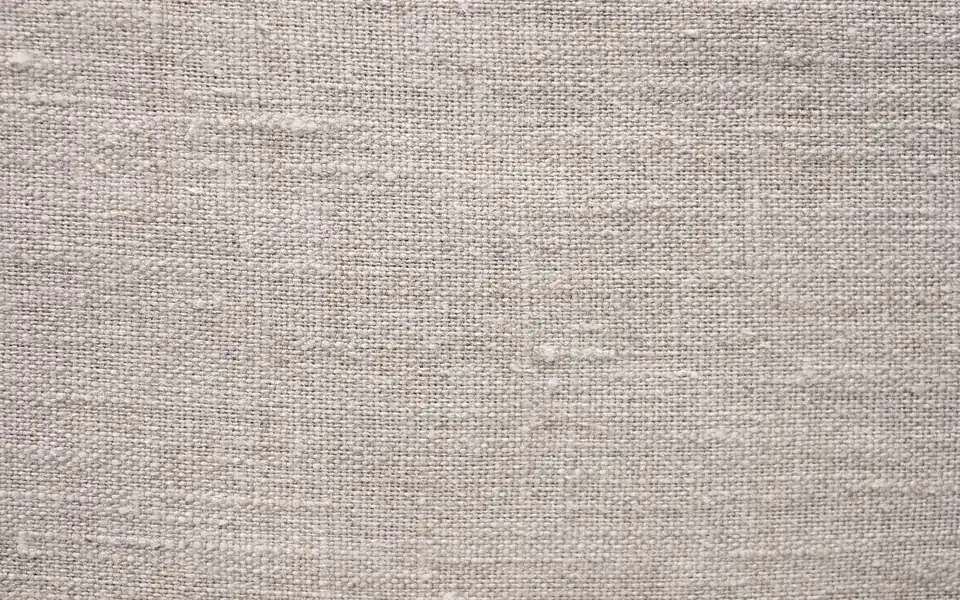
Premium without embellishment
Linen carries a higher shelf price on texture alone, with no handwork to pay for. That is a rare shape for a margin.
Linen, linen blend or cotton
Three natural options for hot markets, and they behave very differently on a rail.
| Cloth | Weight | Finish | Best for |
|---|---|---|---|
| Linen | 140–200 GSM | Matte, slubby | Real heat, premium summer pieces |
| Linen blend | Not usually published | Matte, soft | The look with fewer creases and an easier wash |
| Cotton | 100–140 GSM | Matte | Everyday daily wear and prayer, softer hand |
Pure linen creases hardest and breathes best. A blend trades some of that breathability for a garment that survives a day out. Say which one you are selling on your own product pages.
What linen is, and what it is not
Linen is spun from flax. It has a natural slub, an open weave and a dry, cool hand that no polyester imitates convincingly once you have felt the real thing.
The trouble is that "linen" is used loosely. Plenty of abayas sold as linen are a linen-look polyester, and plenty of blends are mostly something else.
How to tell real linen from a linen look
Real linen creases when you crush it in your fist and the creases stay. It cools on the skin and dries quickly. Under a loupe the yarn thickness varies naturally rather than repeating.
Ask for the fibre content as a percentage in writing. If a supplier will only say "linen", assume a blend until proven otherwise.
The crease is the feature
Customers who buy linen expect it to crease. Tell them on the product page. A returns problem is usually an expectations problem.
Weight and opacity
Linen is an open weave, so light passes through it more readily than a tight polyester. Below about 140 GSM pale colours can show through, which is exactly where complaints come from.
Hold any sample against daylight, not a lamp, and judge the palest colour in the range rather than the black.
Buying linen for your shop
Linen sells on climate and on touch, which makes it a seasonal, regional buy rather than a year-round staple everywhere.
Who buys it
Gulf daytime, Southeast Asia, Africa and European summer. It is a hot-market and hot-season cloth, and it does very little for you in a cold market in January.
It also carries an older, higher-spending customer in most shops, which is worth knowing before you set the price.
Freight and folding
Linen is heavier per piece than nida, so it costs more to ship. Group a linen buy into one carton rather than splitting it across shipments, and check the landed cost before you set your retail price.
Questions buyers ask
Is a linen abaya see-through?
It can be. Linen is an open weave, so below about 140 GSM pale colours may show through. Check a sample against daylight in the lightest colour you plan to stock.
Does a linen abaya wrinkle?
Yes, and quickly. That is what linen does. Say so on your product pages, because customers who expect it are happy and customers who do not send it back.
Is my "linen" abaya actually real linen?
Often it is not. A lot of what is sold as linen is a linen-look polyester or a blend with very little flax in it. Ask for the fibre content as a percentage in writing.
What is the difference between linen and nida?
Linen is a natural flax fibre that breathes and creases. Nida is a smooth polyester that resists creasing and breathes less. They suit different customers and different climates.
What is the difference between linen and cotton?
Both are natural and breathable. Linen is cooler, dries faster and creases more. Cotton is softer against the skin and easier to keep looking tidy.
Is linen good for hot weather?
It is the best fabric we use for real heat. It moves air, dries quickly and does not cling when the wearer is warm.
What GSM is linen?
The linen we use runs about 140–200 GSM, with the measured figure on each product page. Lighter than that and opacity becomes the thing to check.
Does a linen abaya shrink?
Natural fibres can shrink on a first wash. We pre-treat where the cloth needs it, and the care instructions on the garment tell your customer how to avoid it.
How do you wash and iron linen?
Cool gentle wash, dry flat or on a hanger out of strong sun, and iron while slightly damp if you want it smooth. Many customers simply let it crease.
Is linen suitable for humid climates, not just dry heat?
Yes. It dries faster than cotton, which is what matters in humidity. It will still crease, and in humid air it creases sooner.
What is a linen blend?
Linen mixed with another fibre, usually viscose or polyester, to cut the creasing and the price. It loses some breathability in exchange.
Should I stock pure linen or a blend?
Blend for volume, pure linen for a premium capsule. A blend is easier for customers to live with; pure linen is what a linen buyer actually wants.
What colours does linen come in?
Naturals lead: sand, stone, off-white, soft grey and black. Deep dyes are possible but harder to keep even across a run, and we will tell you when a colour is a risk.
What is Italian linen?
A quality and finishing reputation rather than a fixed specification. If a price is built on the phrase, ask for the mill and the fibre content in writing.
What is the minimum order for linen abayas?
20 pieces across the whole order, any mix of styles, colours and sizes, with a AED 2,000 minimum order value.
Can I get linen abayas with my own label?
Yes, on any style, with your woven or printed labels, care tags and packaging.
Do you send linen swatches before a bulk order?
Yes, and with linen you should insist on it. The hand and the weight are the whole decision and neither survives a photograph.
Buyers also look at
The rest of the range
- 01NidaThe everyday fabric
- 02Open abayaBest seller in the US, UK and EU
- 03Kimono abayaHighest-searched silhouette
- 04CrepeTravels without creasing
- 05Plus sizeGraded from a plus block
- 06EmbroideredYour artwork, made to spec
- 07Closed abayaFull coverage cuts
- 08Butterfly and batwingPhotographs well
- 09FarashaFor Ramadan and occasions
- 10LinenFor hot climates
- 11LuxuryLined and hand-finished
- 12Prayer dressOne-piece and two-piece
- 13Umrah and HajjWrinkle-resistant travel sets
- 14KidsMother and daughter sets
- 15HijabsMatched dye lots