The pieces you chose
As many or as few as you like, once the order reaches AED 2,000. Production garments from the line, not a showroom special, and yours to sell.

A sample order has no piece minimum, only a minimum value of AED 2,000, so you can test a few styles before a full order. It is real stock you keep and sell, so it is not credited against a later order.
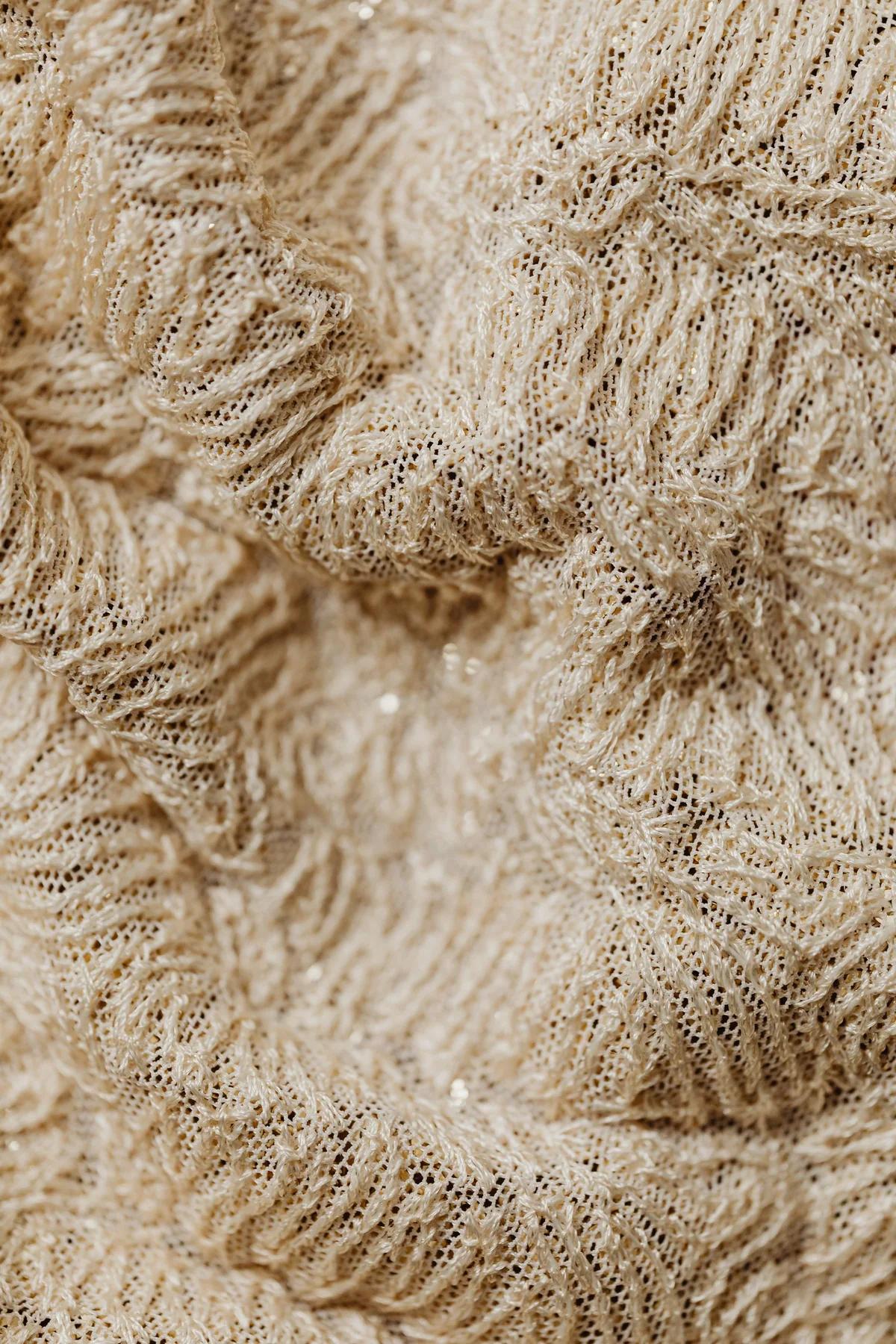
Goods before freight and duty. The only minimum a sample order has.
A full order needs 20 pieces. A sample order needs none.
At about AED 250 each, one way to reach AED 2,000.
Which is why it is not credited against a later order.
An abaya sample order is a real order, just a small one. There is no piece count, only a minimum value of AED 2,000, and none of it is a fee: every piece that arrives is stock you own.
In practice it is the value floor every order has, without the piece count. A full order needs 20 pieces and AED 2,000. A sample order needs only the AED 2,000. That makes a difference once your pieces average more than AED 100 each, so it is built for testing pricier styles: 8 embroidered pieces at about AED 250 each is a sample order.
They are production garments made the same way as a real order, not a showroom version sewn slowly by the most careful hand available. That matters. A sample that is better than the bulk is worse than useless.
Testing that starts at AED 2,000 is a bigger step than paying a few hundred dirhams for a handful of samples, and we will not pretend otherwise. If money is tight, that matters, and you should know it before you ask.
The difference is what you are left holding. Cheap test pieces get washed, photographed and put in a drawer. A sample order is stock. You test one or two pieces hard and sell the rest on your own rail. That is also why it is not credited against a later order: there is nothing to credit, because the goods are already yours.
Free samples sound generous and they are the most common way new buyers get burned. A supplier with no skin in the game has no reason to pack it carefully or send it this week, and plenty of people have paid shipping on a free sample that never turned up.
A sample order is a real transaction that tells you a lot: whether we answer, whether we hit the date we published, and what our packing looks like. Treat it as a test of us, because that is partly what it is.
The garments are the point, but on their own they do not let you build a costing.
This surprises people, so here it is before you order rather than after.
A sample order is a small, light, bulky parcel going a long way, which is the most expensive shape a courier handles. Per piece, it costs noticeably more to ship than the same garments packed into a full carton. Clothing is charged on the space it takes, and express clearance fees are fixed no matter how small the box.
Three things genuinely help, and we will tell you which applies to your address before you pay.
Almost every supplier tells buyers to order samples. Nobody tells them what to actually do with one. So here is the check we would run, and we are happy for you to run it on us.
Do it before you reply to us. Ten minutes now is worth more than any amount of emailing later.
In this order, because each one catches something different.
These take longer, and they are the ones that predict what your customers will experience. Do them on one or two pieces, not the whole order.
Wash one piece the way your customer will, not the way the label suggests. Check for shrinkage, for black going grey, and for the hem twisting. A fabric that misbehaves on a sample will misbehave on three hundred pieces.
If there is beading or embroidery, tug at it. Firmly. If threads lift or beads come away, reject it and tell us. Better it fails in your hands than in a customer’s.
Sit down, cross your arms, reach up. Seams that are fine standing still can pull badly in use, especially at the armhole on a fitted cut.
Run them twenty times. A cheap zip usually shows its problems inside the first few pulls, and a zip failure is the most common reason an abaya comes back.
Your box comes with the actual measurements of the garments inside it. Get a tape out and check two or three points: centre back length, chest, sleeve length.
If what you measure does not match what we wrote, tell us. That is exactly the kind of problem worth finding on a sample order rather than on three hundred pieces.
Be blunt. "The fabric feels cheap" is more useful than "it is nice but maybe a little different from what I imagined".
The feedback shapes what we quote you next. Several of the fabrics we recommend most often came from a buyer telling us plainly that the first suggestion was wrong for their market.
The sample has done its job when you know which fabric, which fit and which styles you want. What happens next is where most of the risk sits.
This is the oldest complaint in garment buying. The usual reasons are dull rather than sinister: a different fabric roll, a different machinist, or a sample maker who quietly corrected something the pattern got wrong and the line did not.
The protection is a sealed sample. Once you approve a garment it stays here as the physical reference, and the run is checked against it and against a written measurement sheet. When a fabric lot shifts between your sample and your bulk, you hear it from us before it ships.
Pick one or two pieces to test hard. Wash one, cut one open, leave one in a window for a month to see what the sun does to the black.
Then sell the others. How your customers react at the till tells you as much as the wash test does, and it is the part of the test that pays you back.
A sample answers questions a product photo cannot. So it ships with the answers attached.
As many or as few as you like, once the order reaches AED 2,000. Production garments from the line, not a showroom special, and yours to sell.
What the garments in your box actually measure, and the tolerance we hold in production.
Taken before the box is taped, so you know exactly what left here and how it was packed.
Band pricing for the styles you chose, so you can cost a full order the same day.
Small cuts of the other weights we carry, labelled with composition, so you can compare cloth you did not order.
The person who packed your box answers your questions about it. Not a shared inbox.
Short on purpose. A test that takes a month has already failed its job, so it runs from ready stock where it can.
Styles, colours and sizes, in any number, adding up to AED 2,000 or more. Or describe your customer and your price point and let us choose. Both are normal.
We check what is on the shelf now against what is made to order, and quote freight to your address before you pay anything.
Each piece is measured against the sheet that ships with it, and the carton is photographed before it is taped.
Run the checks on this page on one or two pieces. Then tell us plainly what is wrong with them.
The pieces you did not test go on your rail. What sells tells you what your first full order of 20 pieces or more should be.
Published in full, including what a sample order is not.
The things buyers check first when the box lands, and the three that predict returns.
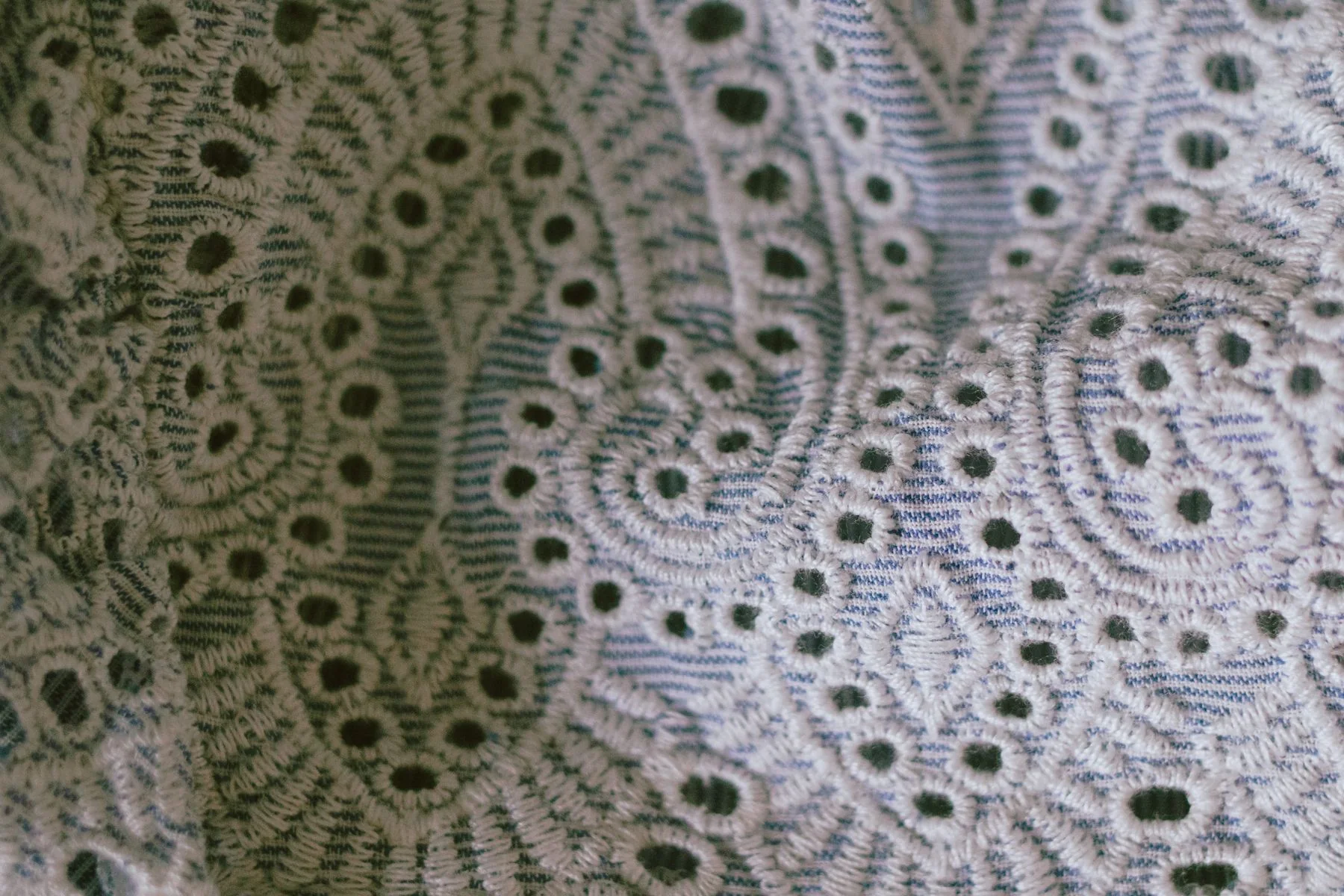
Most first-time buyers of pricier styles should. A few honestly should not.
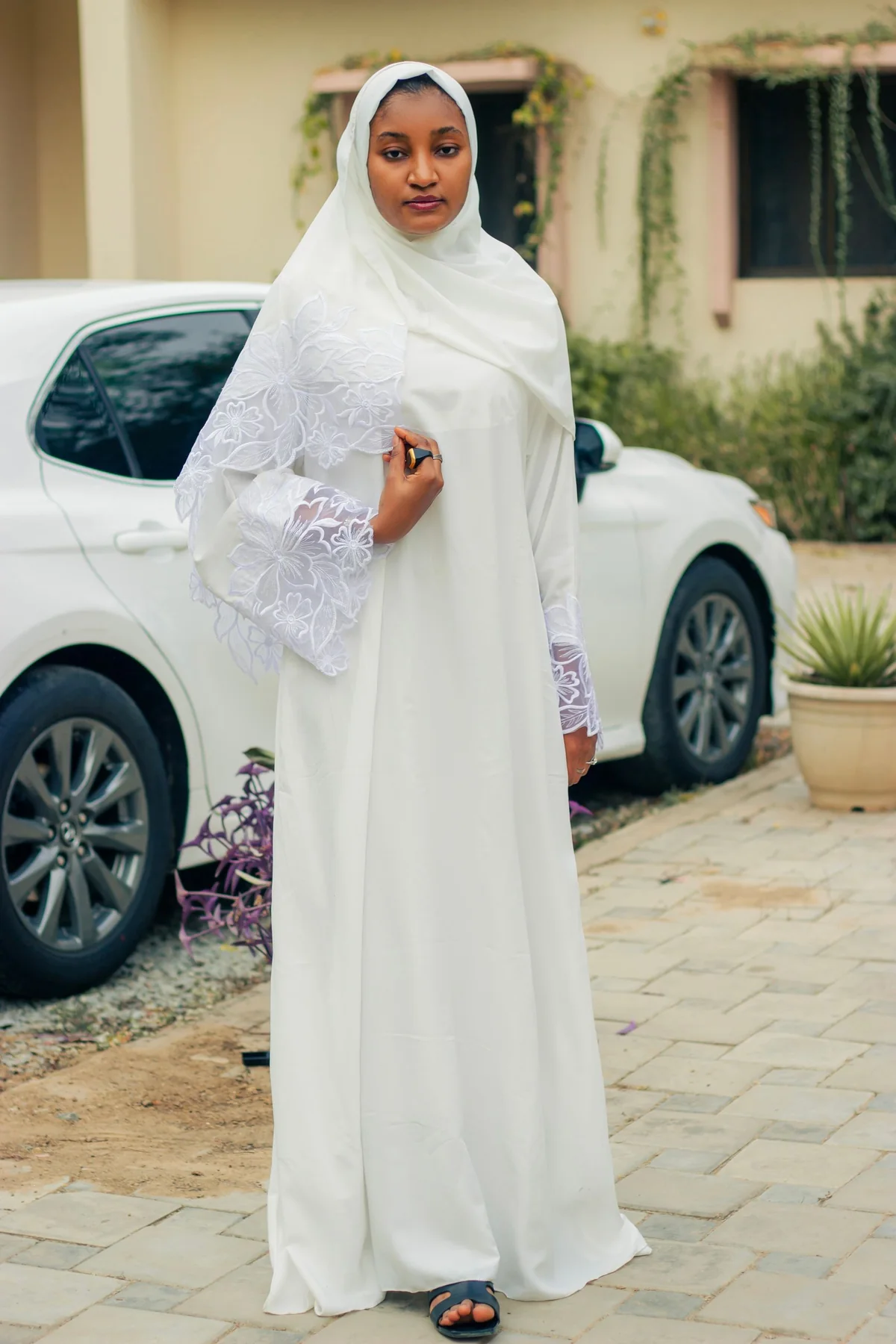
Embroidered and beaded pieces reach AED 2,000 long before 20 pieces. A sample order lets you test 8 of them instead of committing to a full rail.
Sample before you move a line. Put our finish next to what you are shipping now and compare them on a table.
If you have sold the style before, skip it and reorder. And if your pieces average AED 100 or less, AED 2,000 already buys 20 pieces, so you are placing a full order anyway.
Sampling is where this category is at its weakest. Most abaya suppliers tell you to order samples and then publish no policy at all.
AED 2,000, written here before you start a conversation. No negotiation and no "depends who is asking".
A full order needs 20 pieces. A sample order needs none, so pricier styles can be tested in small numbers.
What you test is what you sell. There is no fee that disappears and no credit you have to qualify for later.
Ready stock leaves here in 3 to 5 working days. If we are going to miss it you hear it from us first.
Before you pay, not after. Per piece, a small parcel costs more to ship than a full carton.
Including the tests we might fail. Nobody else in this category publishes an inspection checklist.
Two minutes of detail and the order goes into the queue.
Names from the catalogue adding up to AED 2,000 or more, or a sentence about your customer and your price point.
The lengths you expect to sell most of. No idea? We send the middle of the run.
Full address and a phone number for the courier. A business address costs less than a home one.
Fabric weight? Plus size fit? Embroidery quality? Say so and we help you pick for that question.
Sample order questions, answered with numbers.
No, and be careful with anyone who says yes. Free samples are where new buyers most often get let down, because a supplier with nothing at stake has no reason to pack it well or send it this week.
AED 2,000 at minimum, in any number of pieces, plus freight to your address. There is no separate sample fee. You are paying for stock.
Stock you chose and can sell, a measurement sheet for the garments in the box, and the price breaks for those styles.
Only if they add up to AED 2,000. A sample order has no piece minimum, only the value one. If fabric is all you need to judge, ask for swatches instead, which cost far less to post.
Yes, and they are cheap to post. They tell you about weight and colour but nothing about fit or finish, so most buyers end up wanting garments too.
They are made the same way as bulk, which is the point. A sample sewn slowly by the best hand available flatters the supplier and misleads the buyer.
Not credited, because it is not a fee. It is real stock you keep and sell, so the value is already in your hands.
Because you are buying stock, not samples. A few hundred dirhams for a handful of test pieces is cheaper on the day, but those pieces end up in a drawer. A sample order of AED 2,000 ends up on your rail.
One rule fewer. A full order needs 20 pieces and AED 2,000. A sample order needs only the AED 2,000, so anything under 20 pieces is a sample order.
Freight is separate, and quoted to your address before you pay. On a small parcel it is a real number, so ask for it early.
Some margin and some time, usually. You still hold the stock and can sell it, even if slower or at a smaller markup than you hoped. A sample fee, by contrast, is gone the day you pay it.
Every one. Name the styles, colours and sizes from the catalogue, in any quantity, and that is what we pack. The total just has to reach AED 2,000.
Tell us your market and your target retail price and we will choose. Usually that means a spread: an everyday black, a mid-weight, and a few with some work on them, so you see the range.
Yes, but that is a development sample and it is quoted separately, because pattern work and a fabric buy sit behind it. That sits under custom manufacturing.
If you send artwork, we can usually do a heat seal label for a sample so you can see how it looks in the neck. Woven labels have their own minimum and lead time.
Please do, especially if plus is a real part of your range. Fit problems in larger sizes come from grading, and the only way to see them is on a body.
Ready stock leaves here in 3 to 5 working days, then courier transit, usually 5 to 10 days depending on where you are. Anything made to order takes 12 to 18 working days.
It varies by country and we quote it before you pay. Expect a real number, because per piece a small parcel costs more to ship than a full carton.
Couriers charge on the space a parcel takes, not its weight, and clothing is bulky and light. Express clearance fees are also fixed regardless of how small the box is.
Yes. Send us your account details and we will book the collection on it, which is often cheaper if you already have negotiated rates.
Usually, depending on your country. It is declared honestly as AED 2,000 or more of goods, so budget for duty the way you would on any order rather than being surprised by it.
Strong daylight, then steam one piece, then turn it inside out and look at the hem and the overlock. Those three catch most of what matters and take five minutes.
Wash one, the way your customer will rather than the way the label says. Shrinkage, black going grey and hems twisting are the three things that generate returns, and all three show up in one wash.
Hold it up to a window, then against a dark surface. Judge it in daylight, not under a lamp. Lightweight cloth that looks fine indoors can fail outside, which is where your customer will be wearing it.
Pull at it, firmly. If threads lift or beads come loose, that is a reject and we want to know. It is much better that it fails in your hands.
Centre back length, chest and sleeve length at minimum, and compare them to the sheet in the box. If they do not match what we wrote, tell us.
Not on its own. Everything is creased out of a carton. Steam it first and judge it after. If it will not release creases at all, that is worth knowing and it is a fabric issue rather than a packing one.
Tell us exactly what is wrong, bluntly. That feedback is most of what the sample is for, and it changes what we recommend for your order.
The approved piece is sealed and kept here as the reference, and your run is checked against it and a written measurement sheet. Where a fabric lot shifts between sample and bulk we tell you before we ship.
Usually a different fabric roll, or a sample maker quietly fixing something the pattern got wrong that the production line then did not. A sealed sample plus written measurements is what stops it.
Immediately. Ready stock leaves in 3 to 5 working days, made to order takes 12 to 18. A full order needs 20 pieces and AED 2,000, in any mix of styles and colours.
No. Once you have approved a style we hold the spec and the sealed sample. Sampling again only makes sense if you are changing the fabric or the fit.
They are yours, and they are stock. Wash one, cut one open if you need to, and sell the rest. A sample still in its bag has told you nothing.
Plenty of buyers do exactly that. Sell the sample pieces, take pre-orders on the styles that move, then place a full order against real demand.
You get a tracking number on dispatch day. The published dispatch date is the same one we hold ourselves to on a production order, which is rather the point of the exercise.
We chase the courier and handle the claim. A lost parcel is our problem to solve, not yours to absorb.
Usually yes. Small first transactions are exactly where a card makes sense, and we would rather you were comfortable than technically correct about bank transfer being cheaper.
Ask for the written spec sheet and measurement sheet for the styles you want. They are free and answer a different question from the one a sample answers, so use both.
It is most of the way there. It tells you about quality, packing, and whether we do what we said by the date we said. It does not tell you how we behave when something goes wrong, which is why the terms pages exist.
AED 2,000 or more, in any number of pieces, and every piece is yours to sell. Tell us what you want to test and we will help you pick for that question.