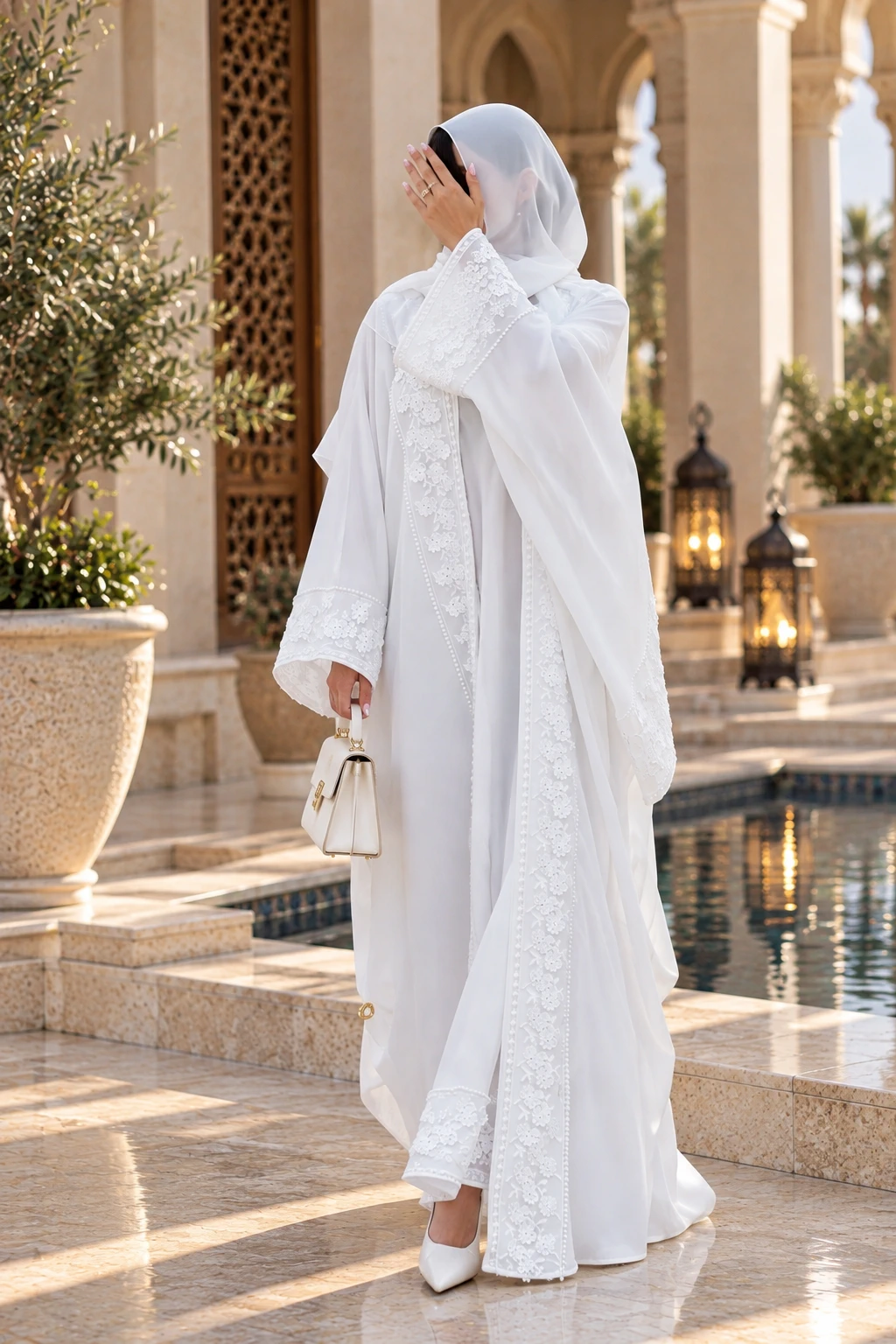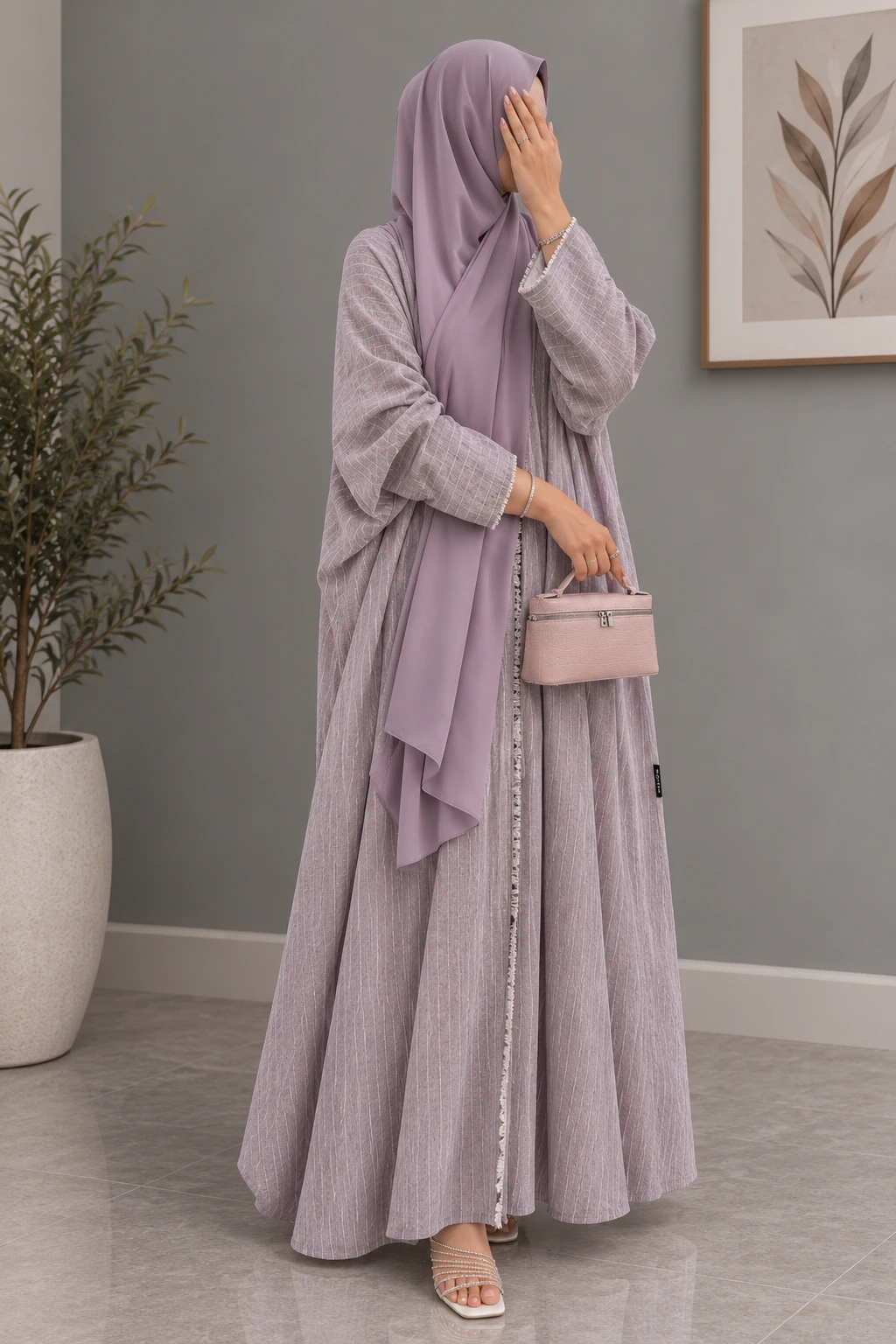
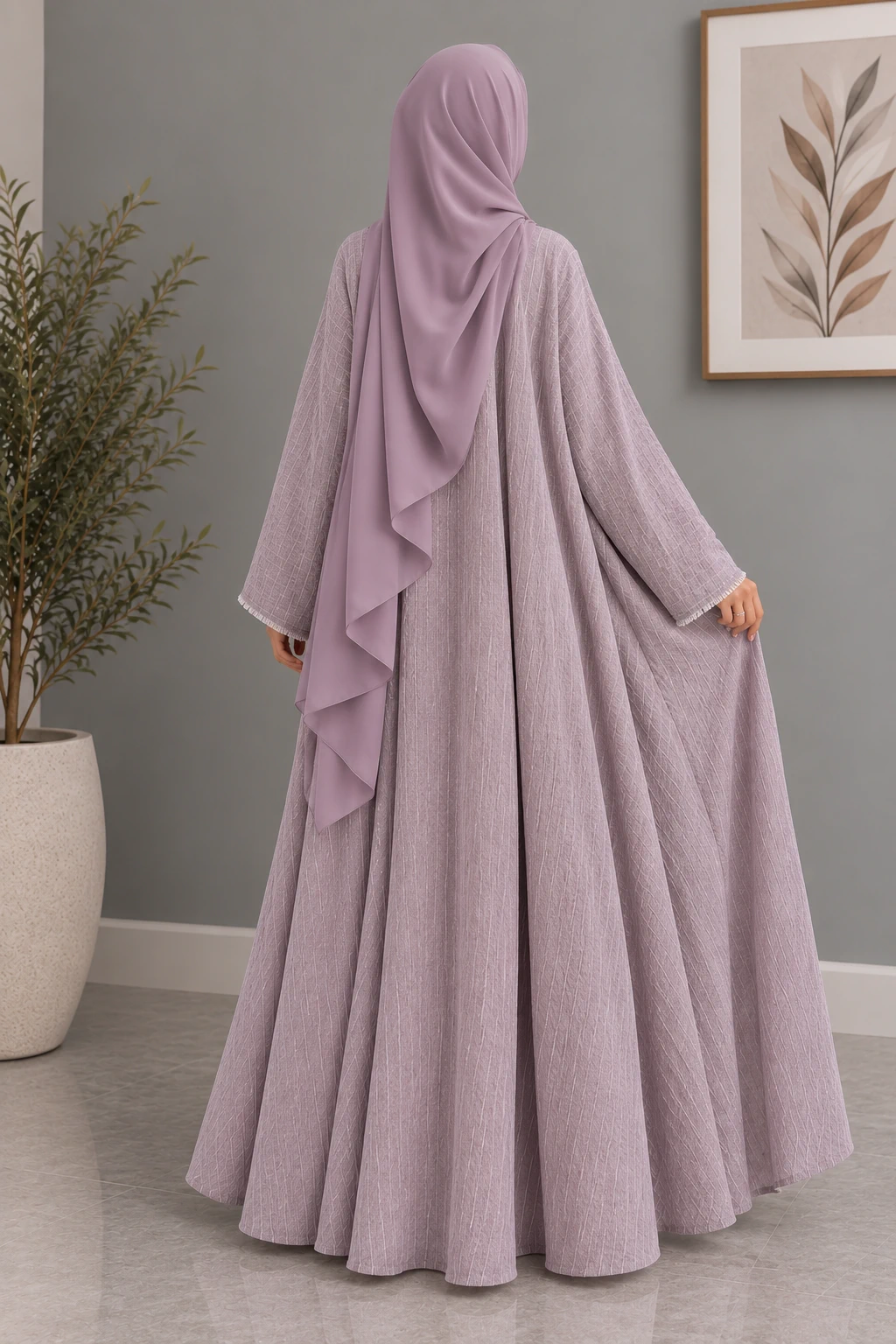
LilacMade to order
Tayf Textured Linen Butterfly Abaya
from AED 199typical retail AED 460
6 colourways · sizes 52–60 · 12–18 days

( 08 ) · silhouette
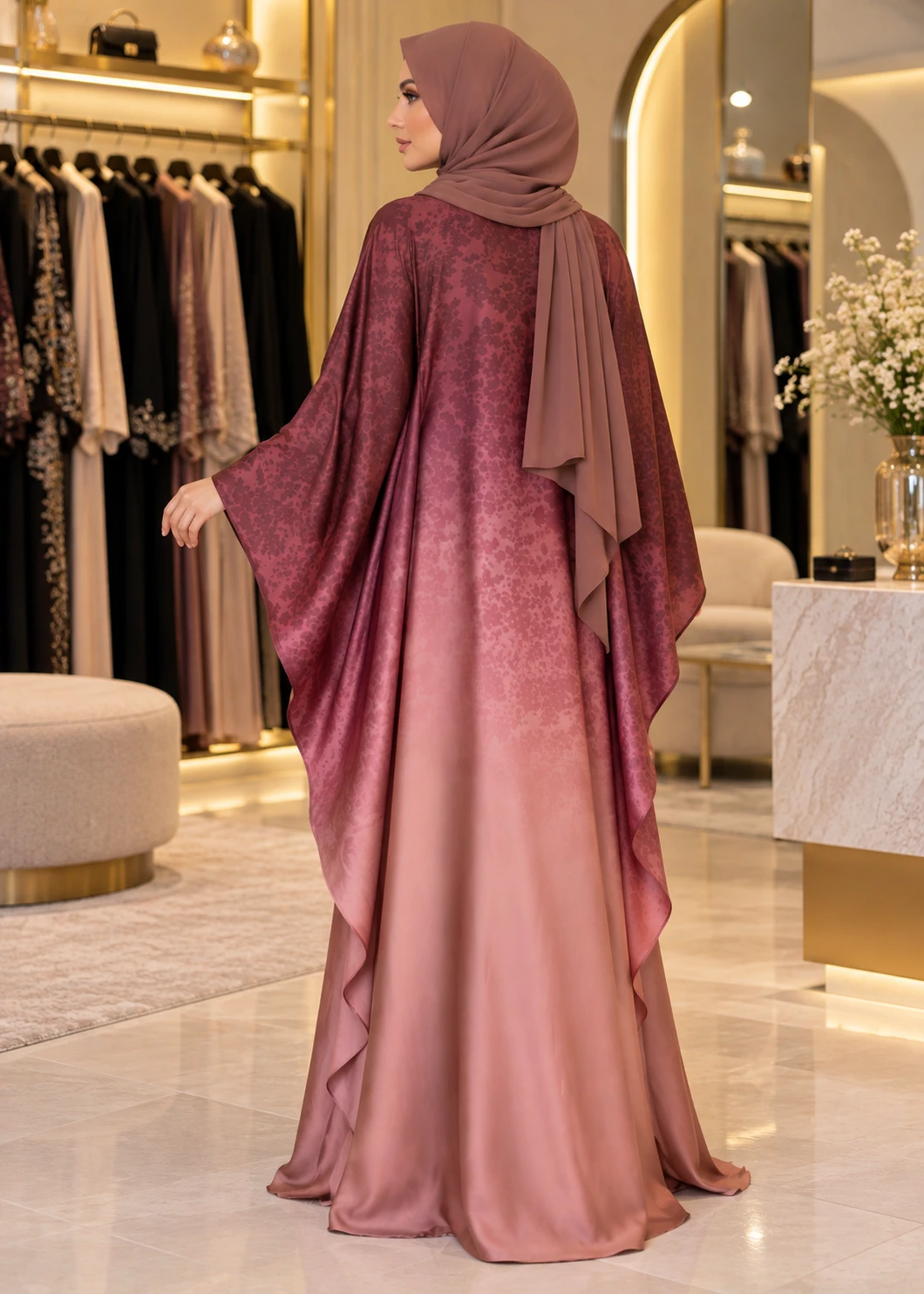
The wing-sleeve cut, made in the UAE. One continuous panel from wrist to hem that opens when the arms lift, which is why it carries a shop's photography and why it sells for Eid. 20 pieces in any mix.
In short
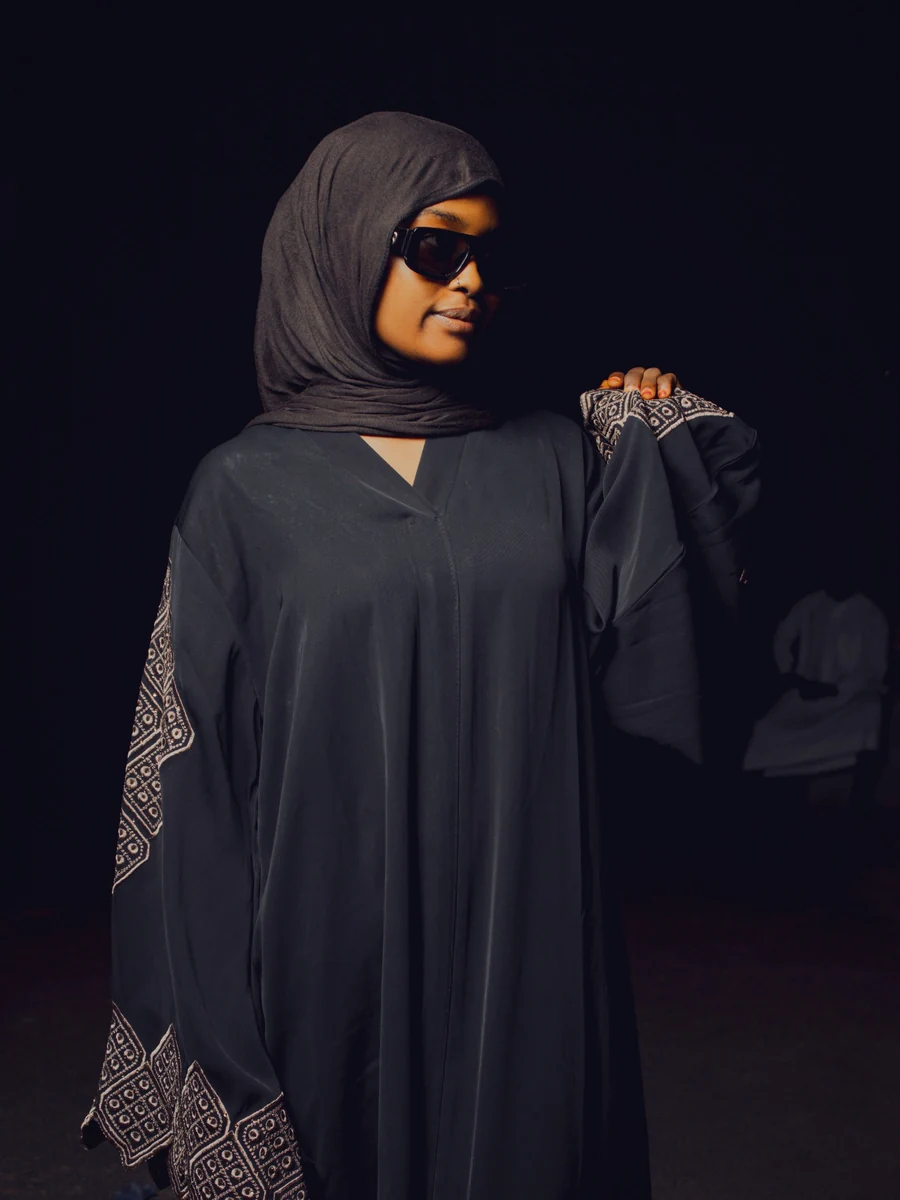
A butterfly abaya has sleeves cut as one continuous panel from wrist to hem, which opens into a wing shape when the arms move. "Batwing" describes the same construction and the two names are used for the same garment. The Arabic name for this silhouette is farasha, which means butterfly.
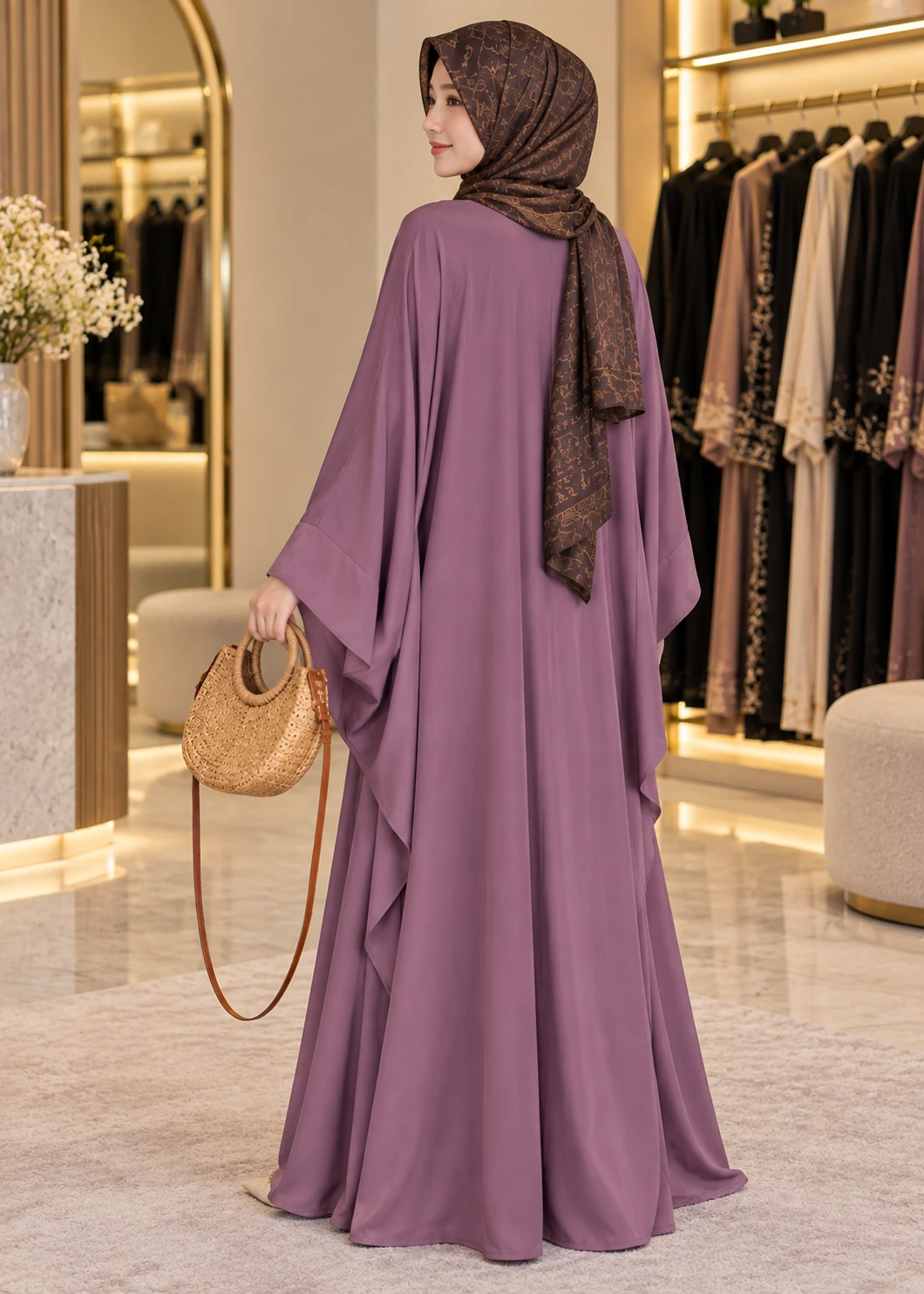
LilacMade to order
from AED 199typical retail AED 460
6 colourways · sizes 52–60 · 12–18 days
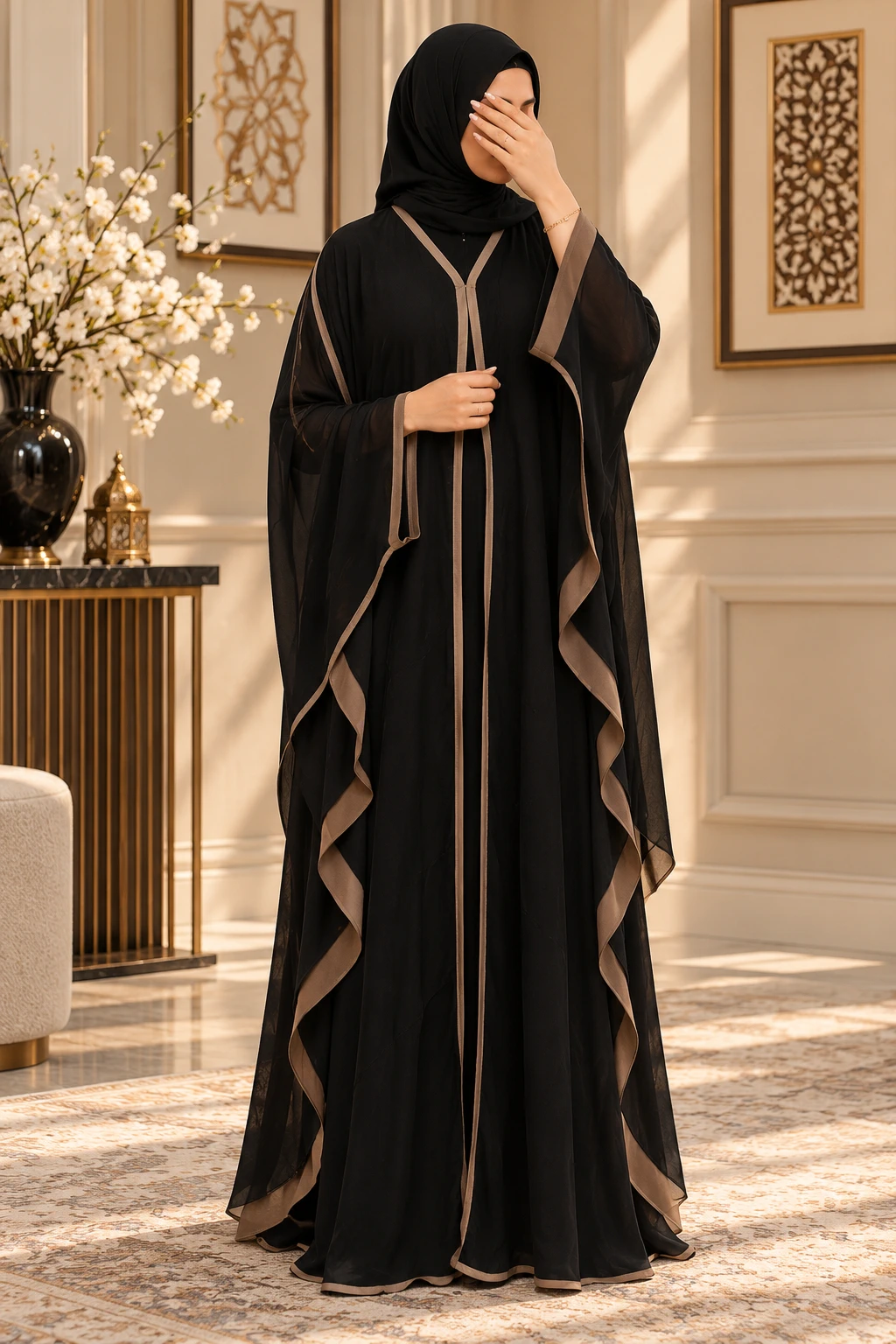
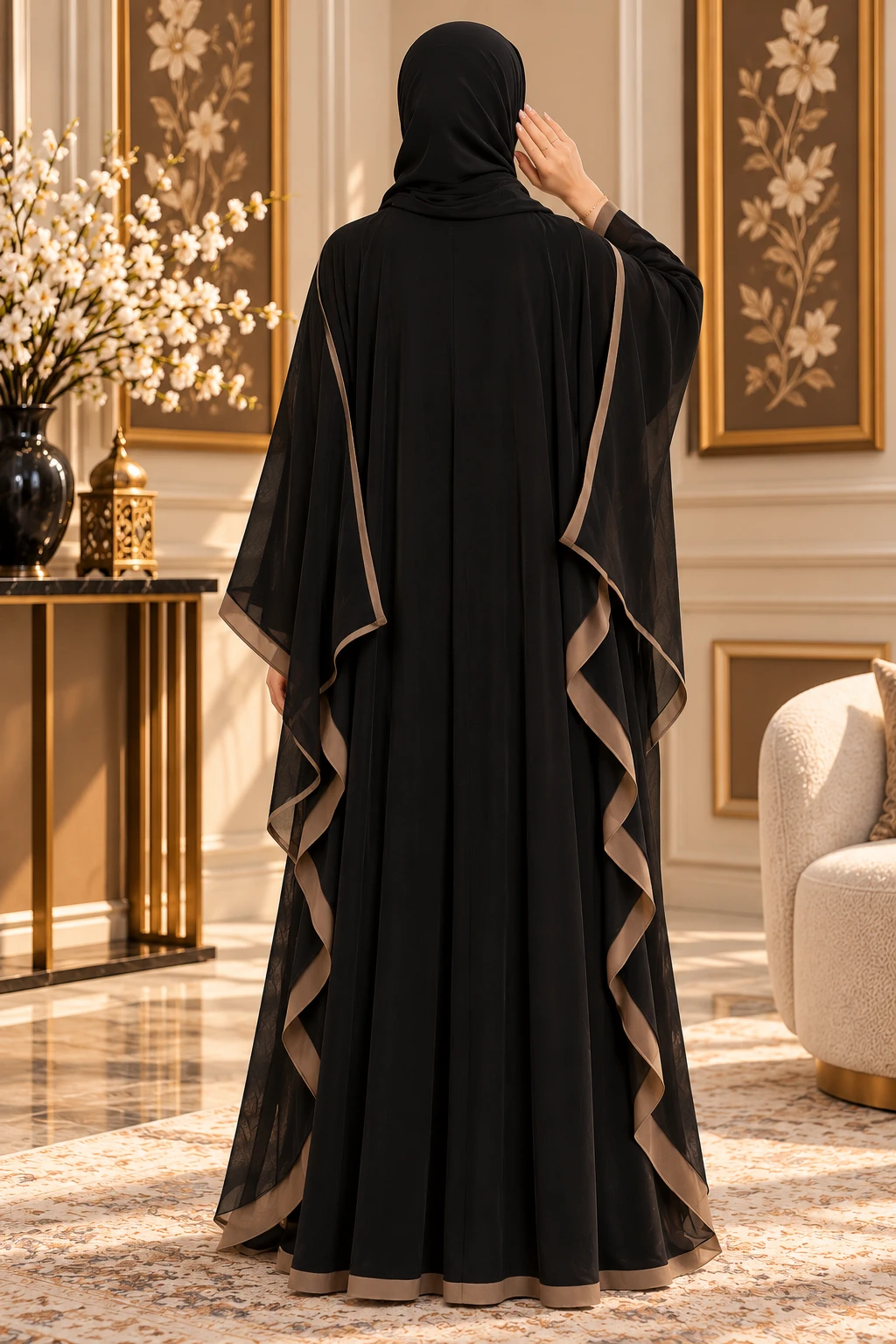
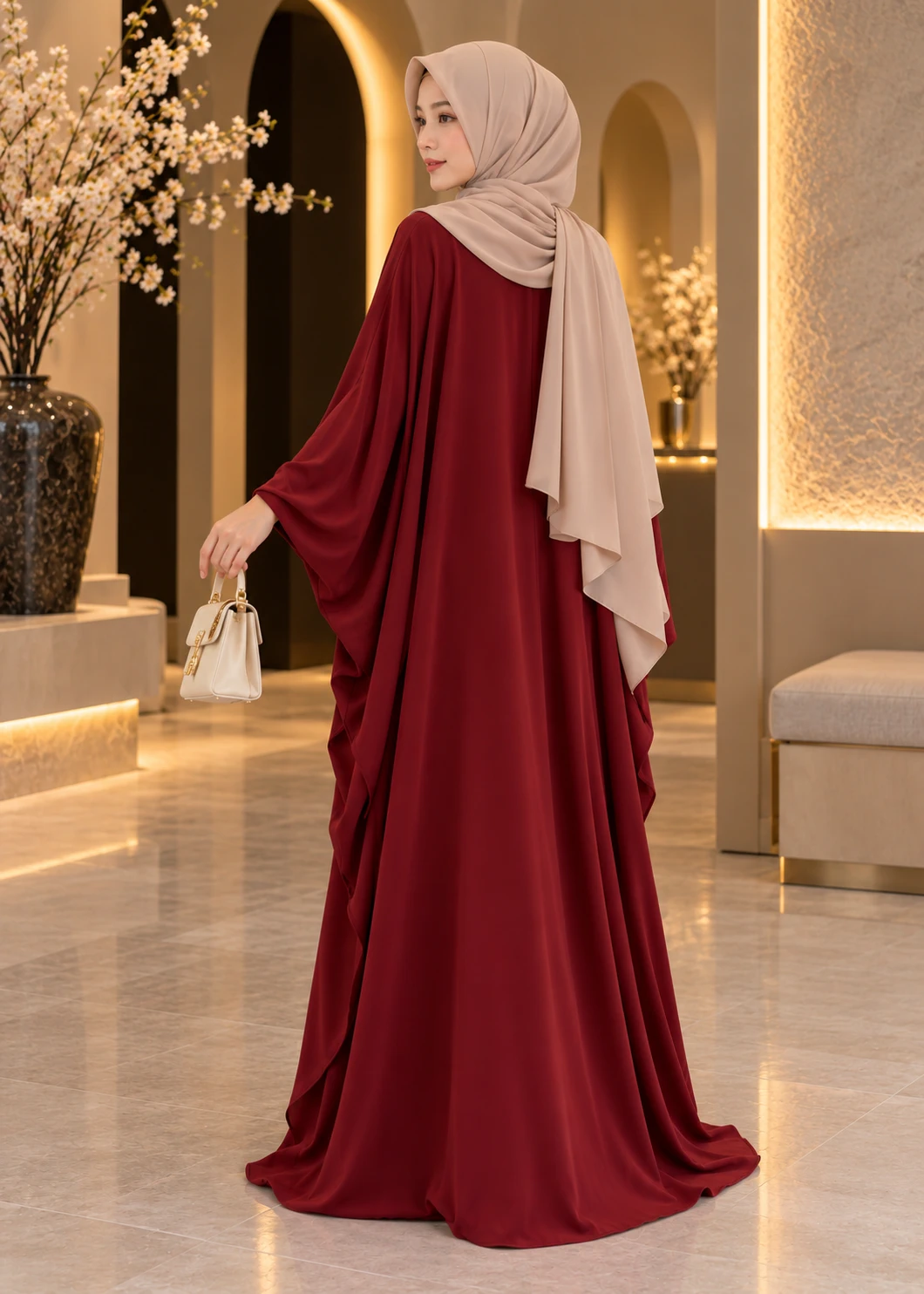
Black & TaupeMade to order
from AED 199typical retail AED 460
6 colourways · sizes 52–60 · 12–18 days
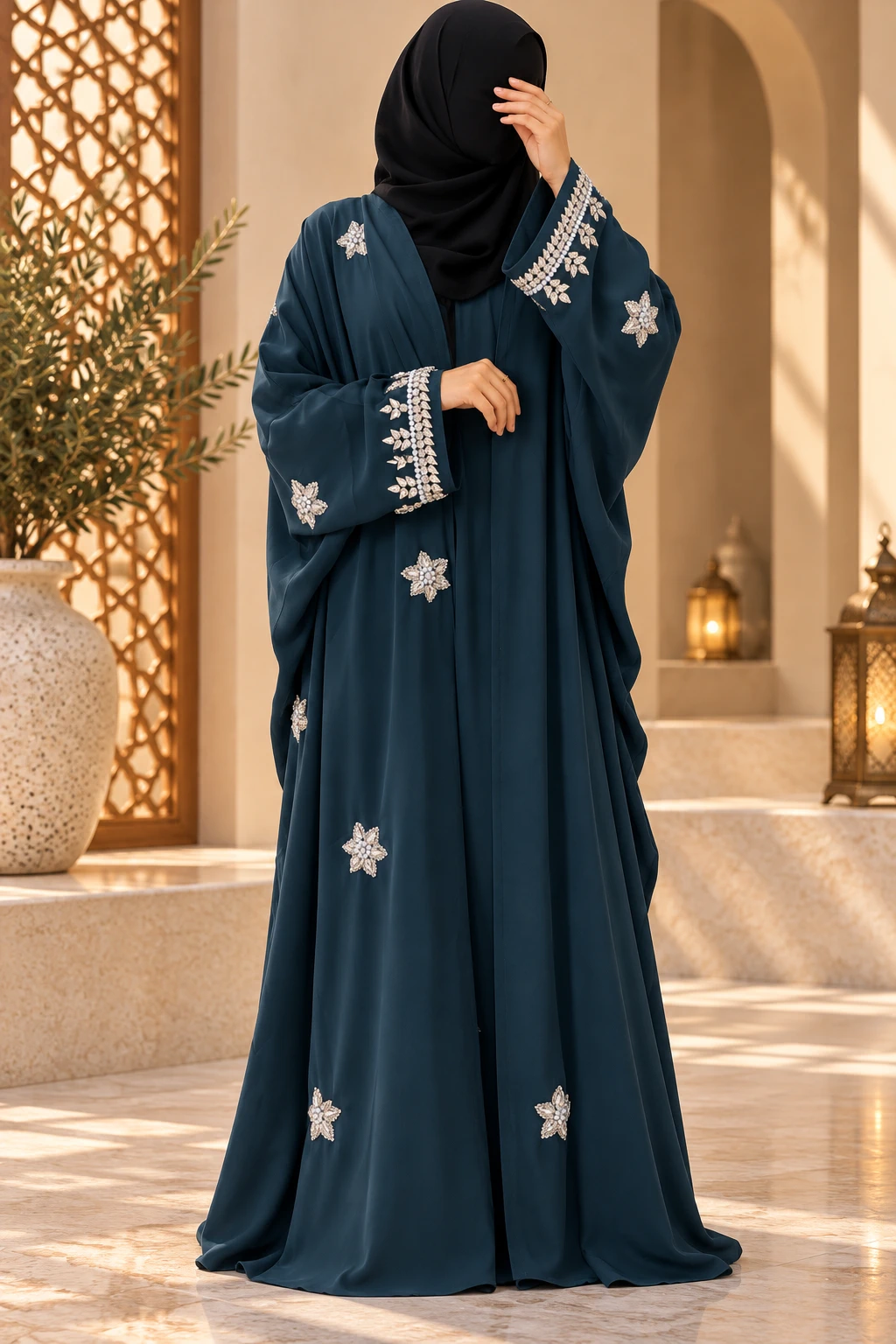
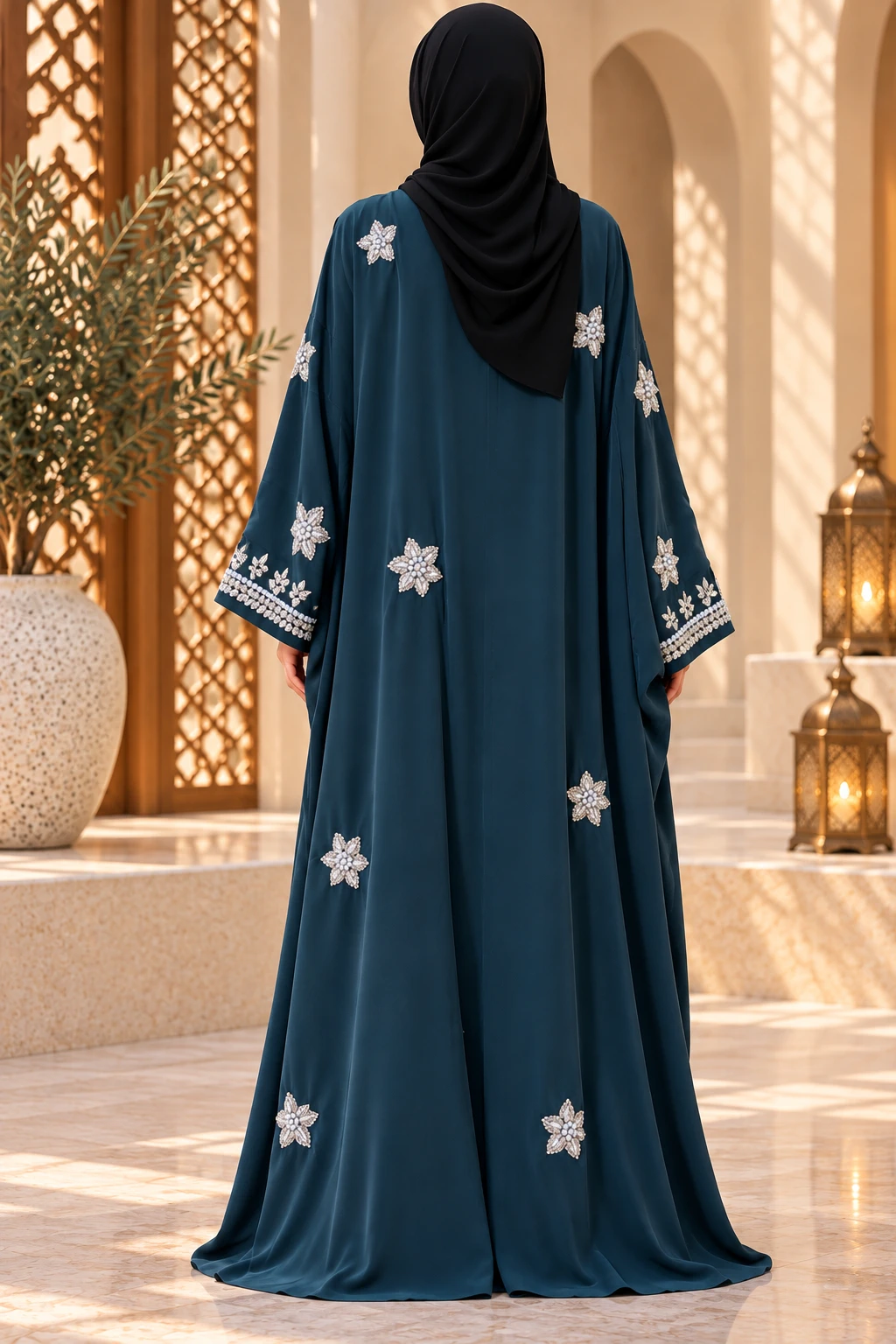
Peacock TealMade to order
from AED 269typical retail AED 620
6 colourways · sizes 52–60 · 12–18 days
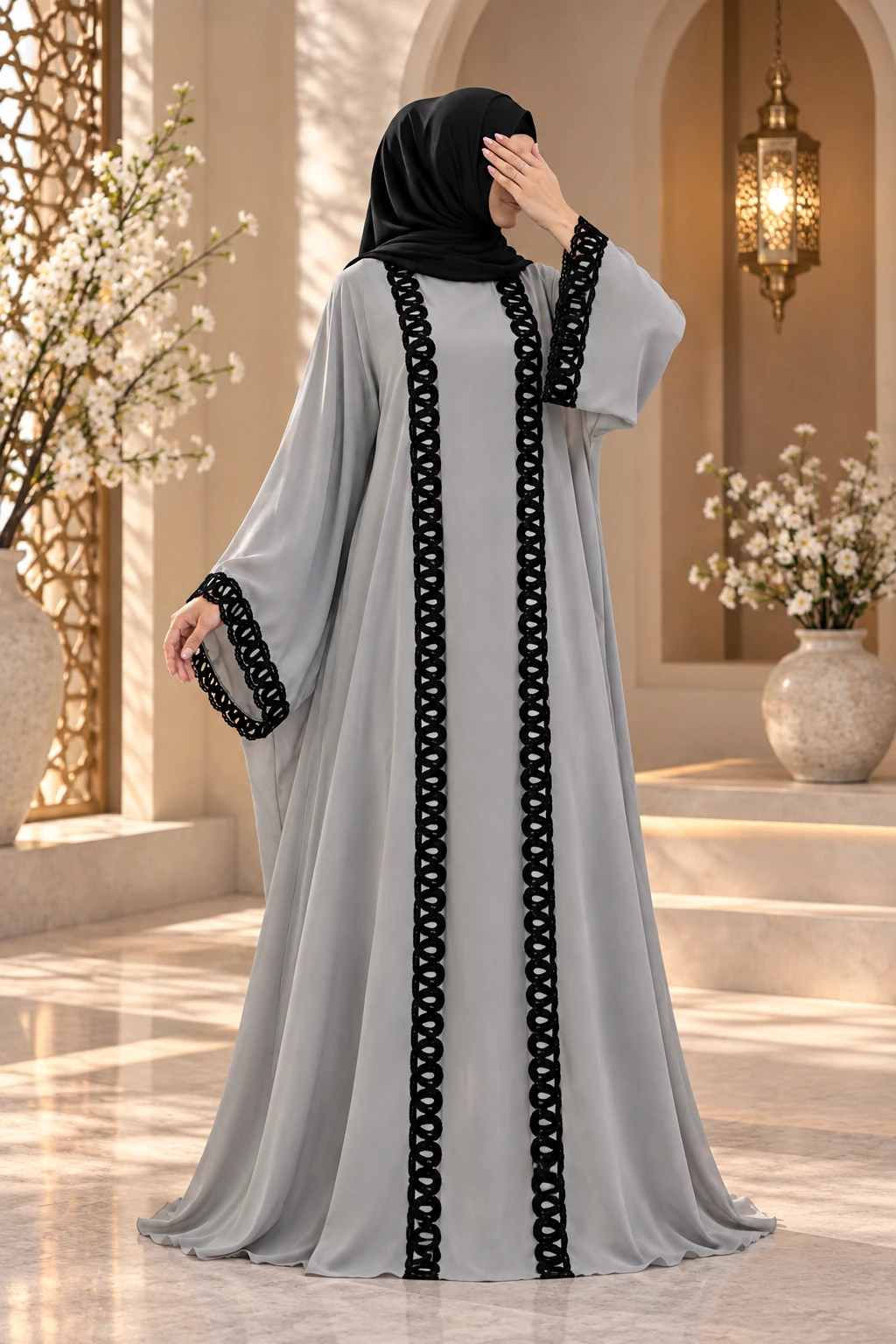
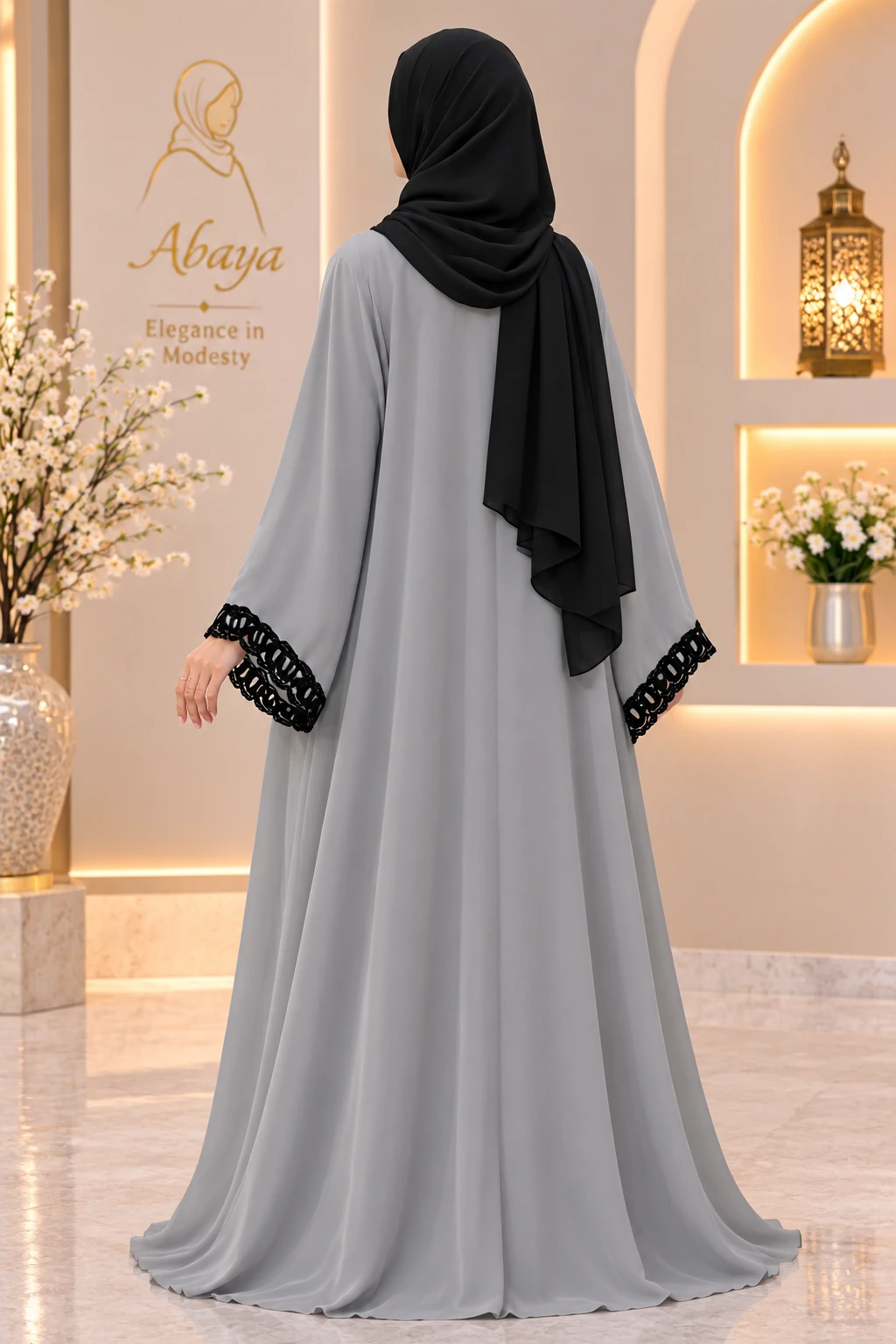
Dove Grey & BlackMade to order
from AED 229typical retail AED 525
6 colourways · sizes 52–60 · 12–18 days
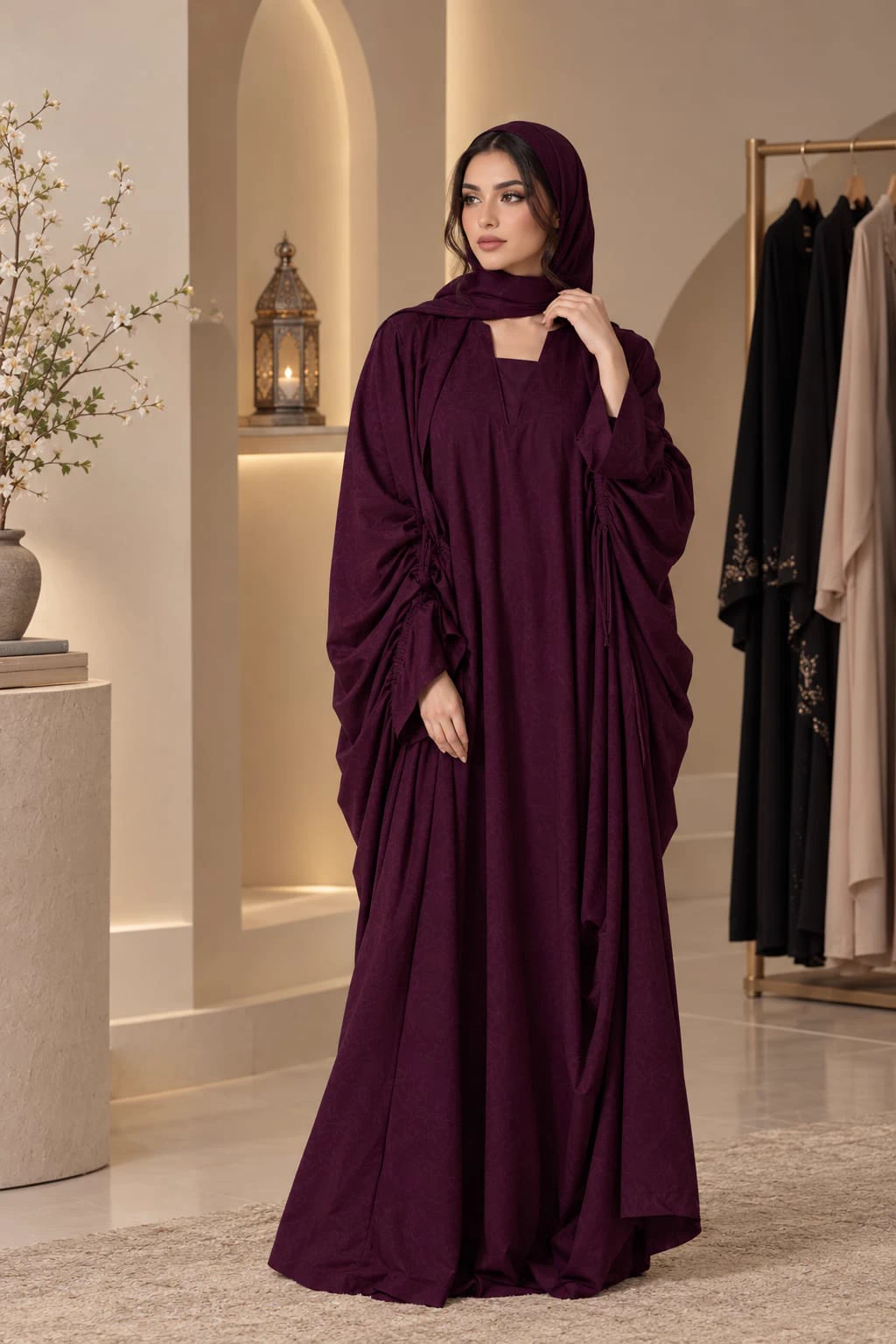
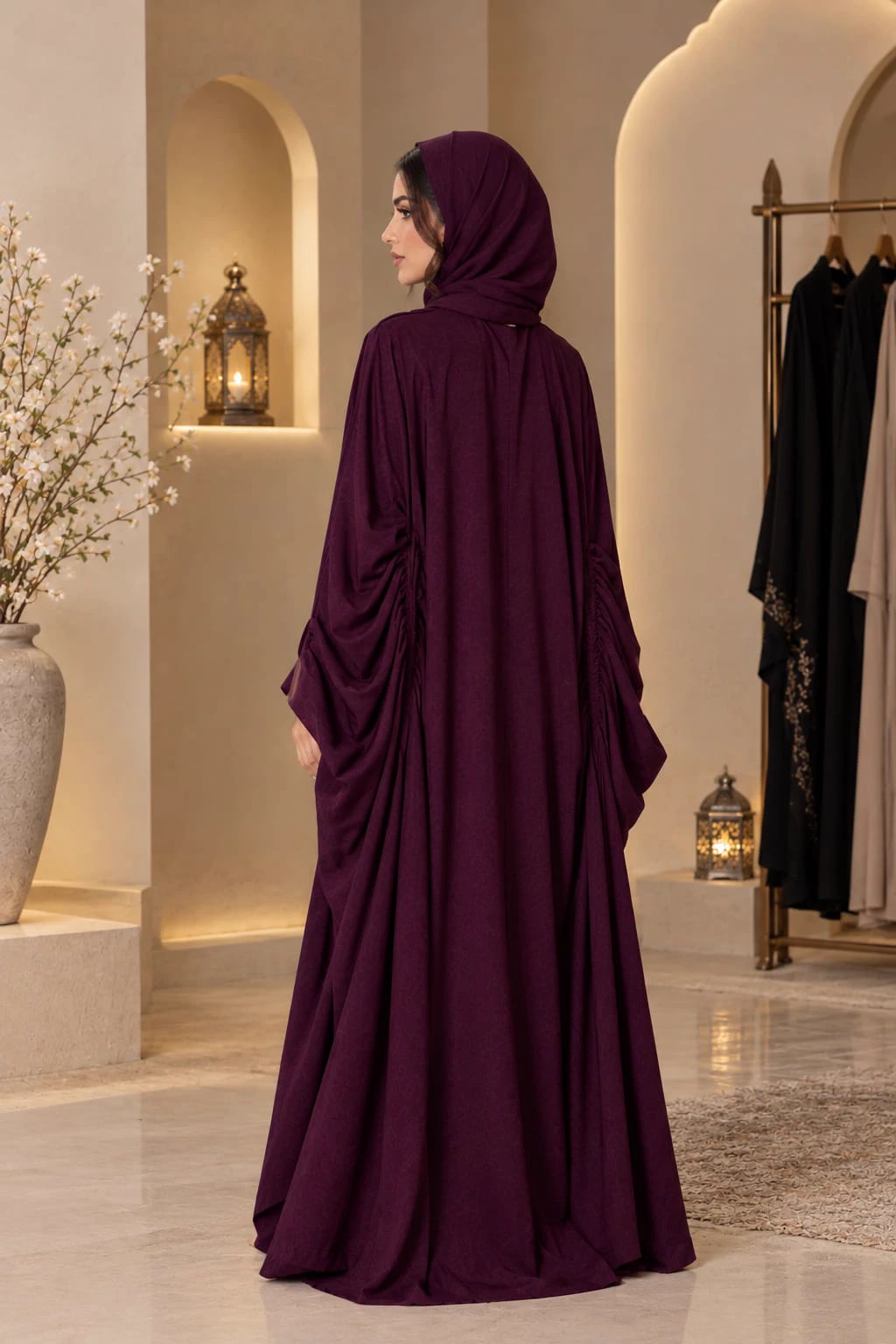
PlumMade to order
from AED 215typical retail AED 495
6 colourways · sizes 52–60 · 12–18 days
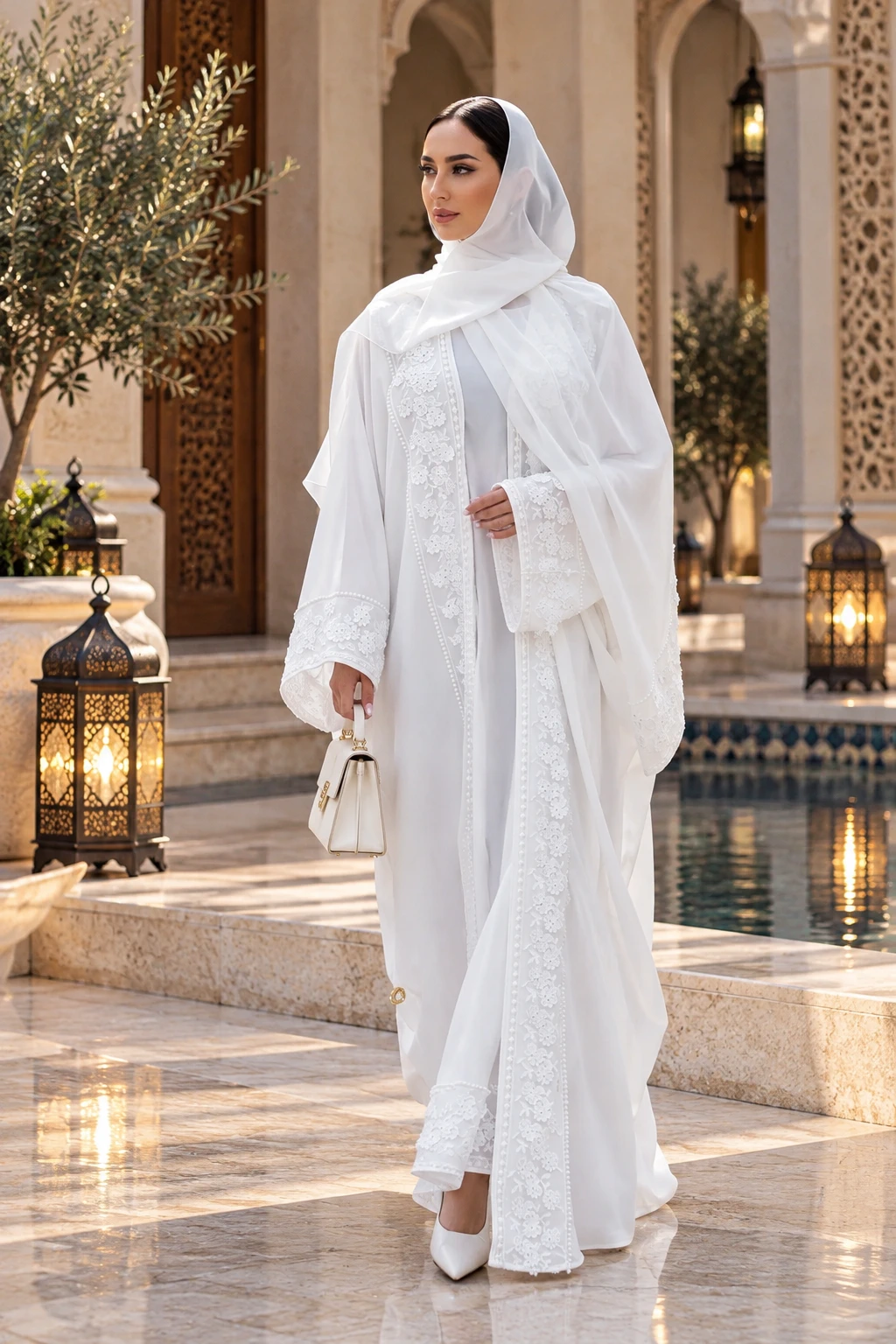
WhiteMade to order
from AED 315typical retail AED 725
6 colourways · sizes 52–60 · 12–18 days
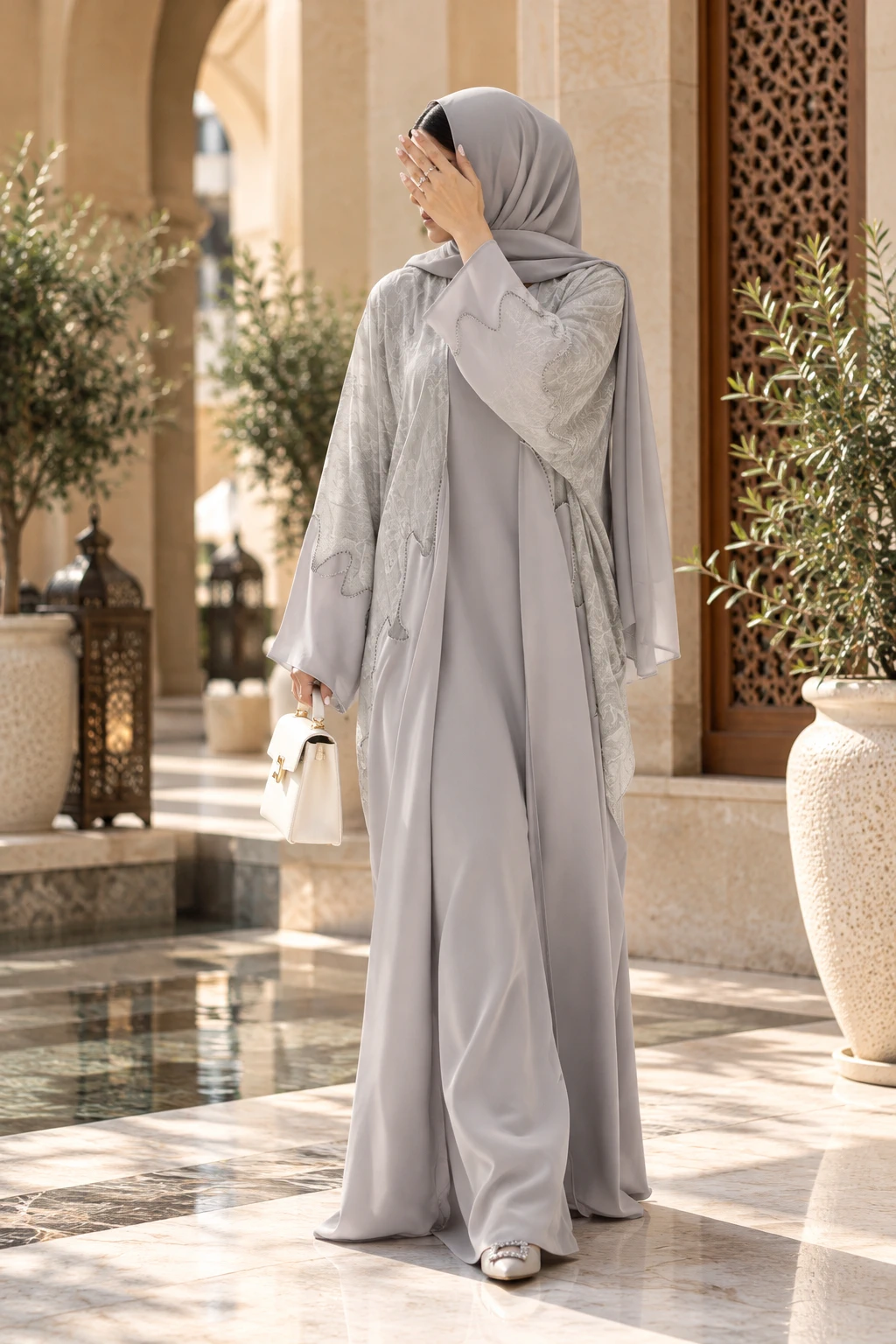
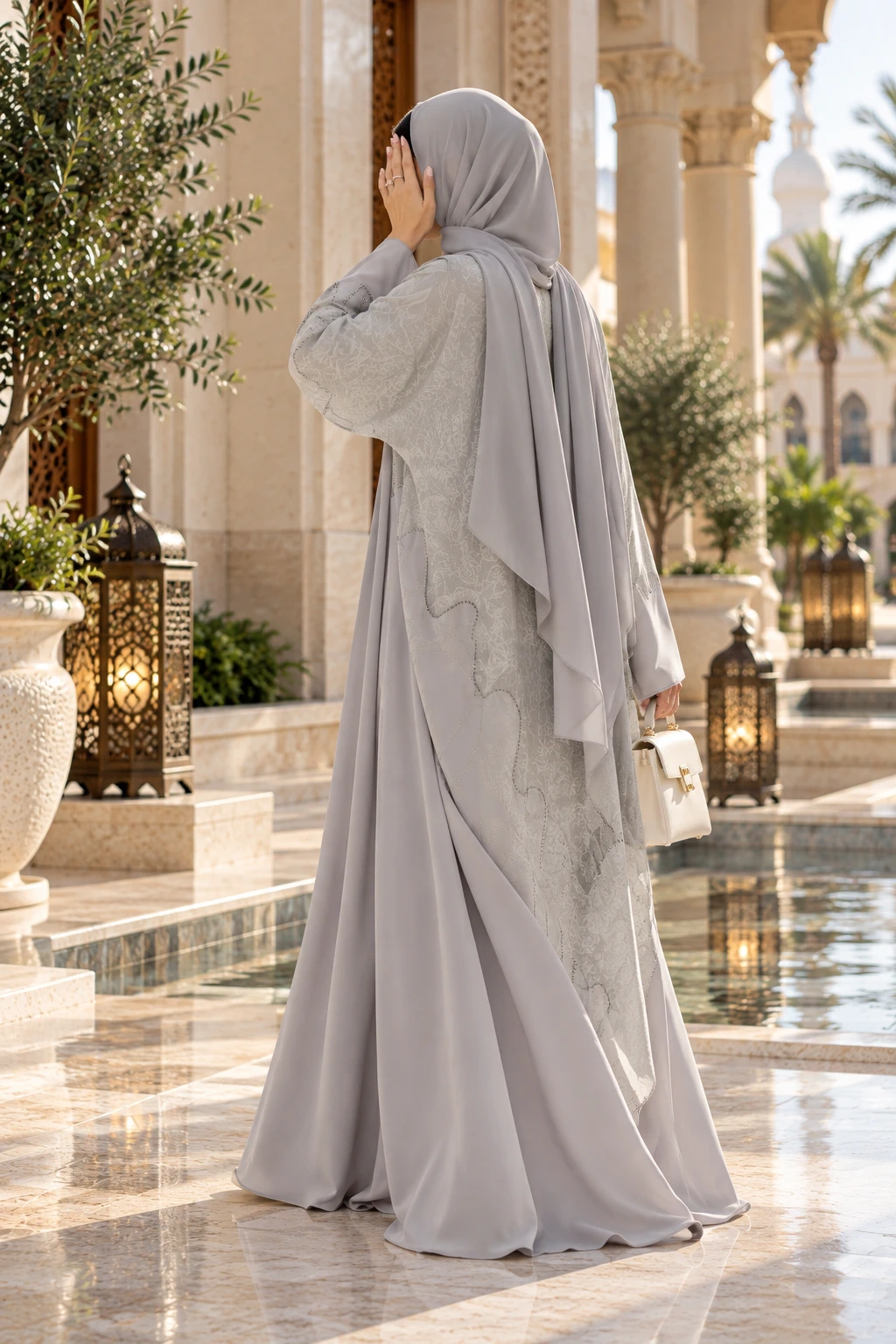
Silver GreyMade to order
from AED 299typical retail AED 690
6 colourways · sizes 52–60 · 12–18 days
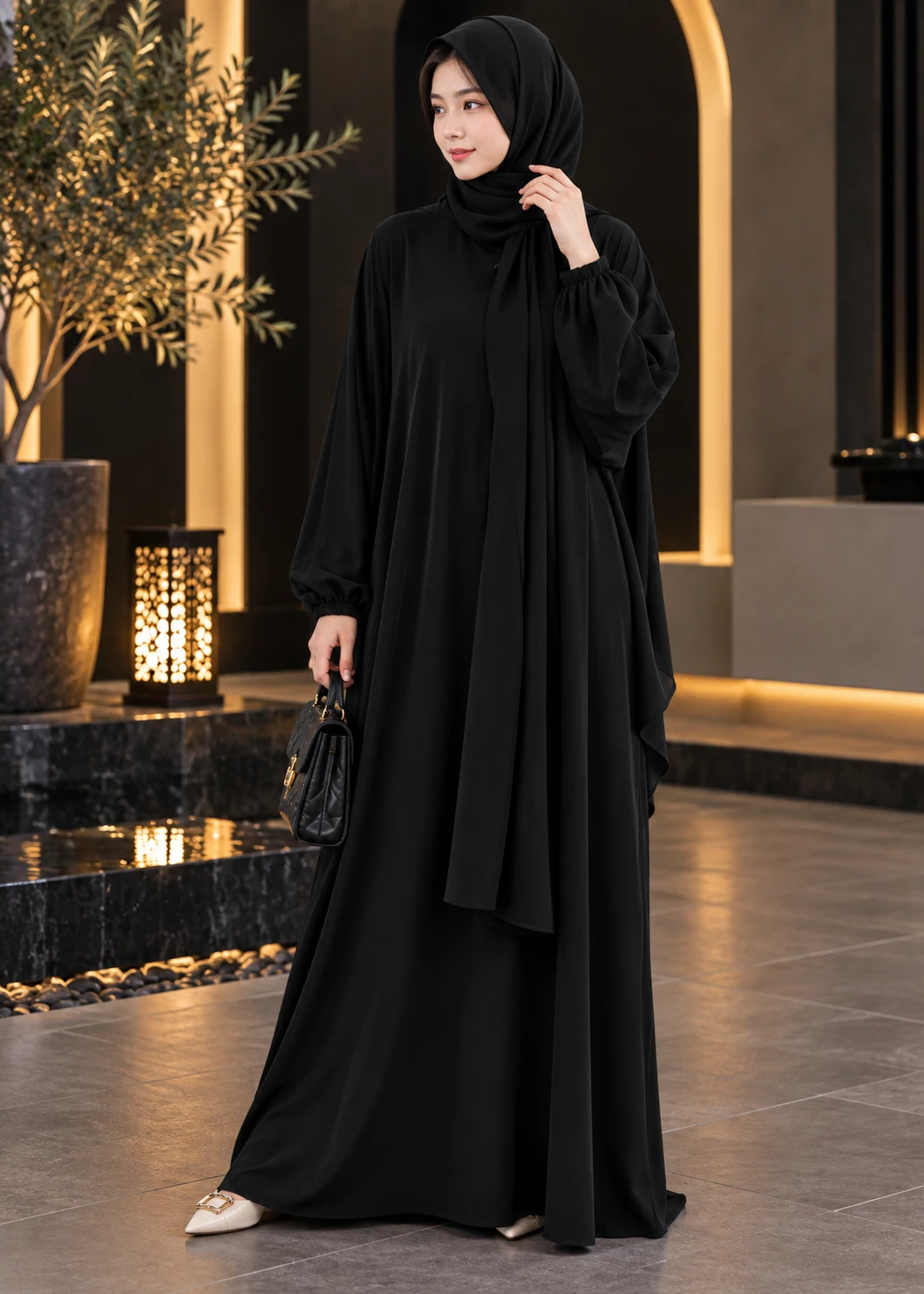
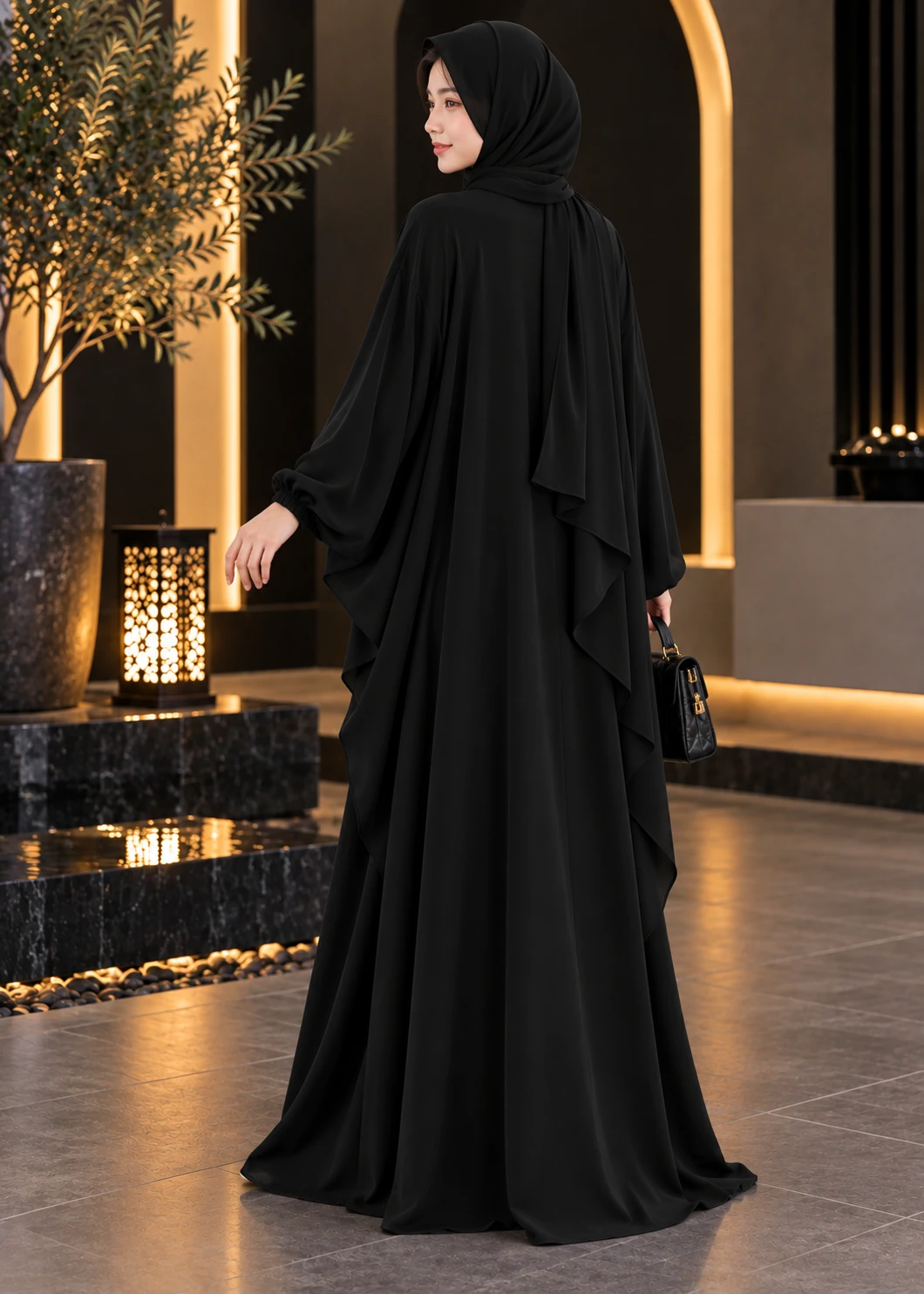
BlackMade to order
from AED 138typical retail AED 315
6 colourways · sizes 52–60 · 12–18 days
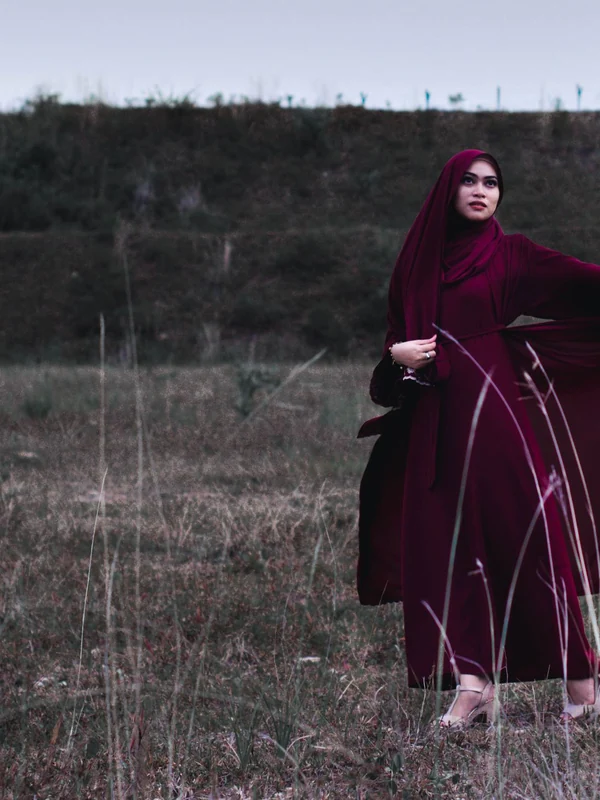
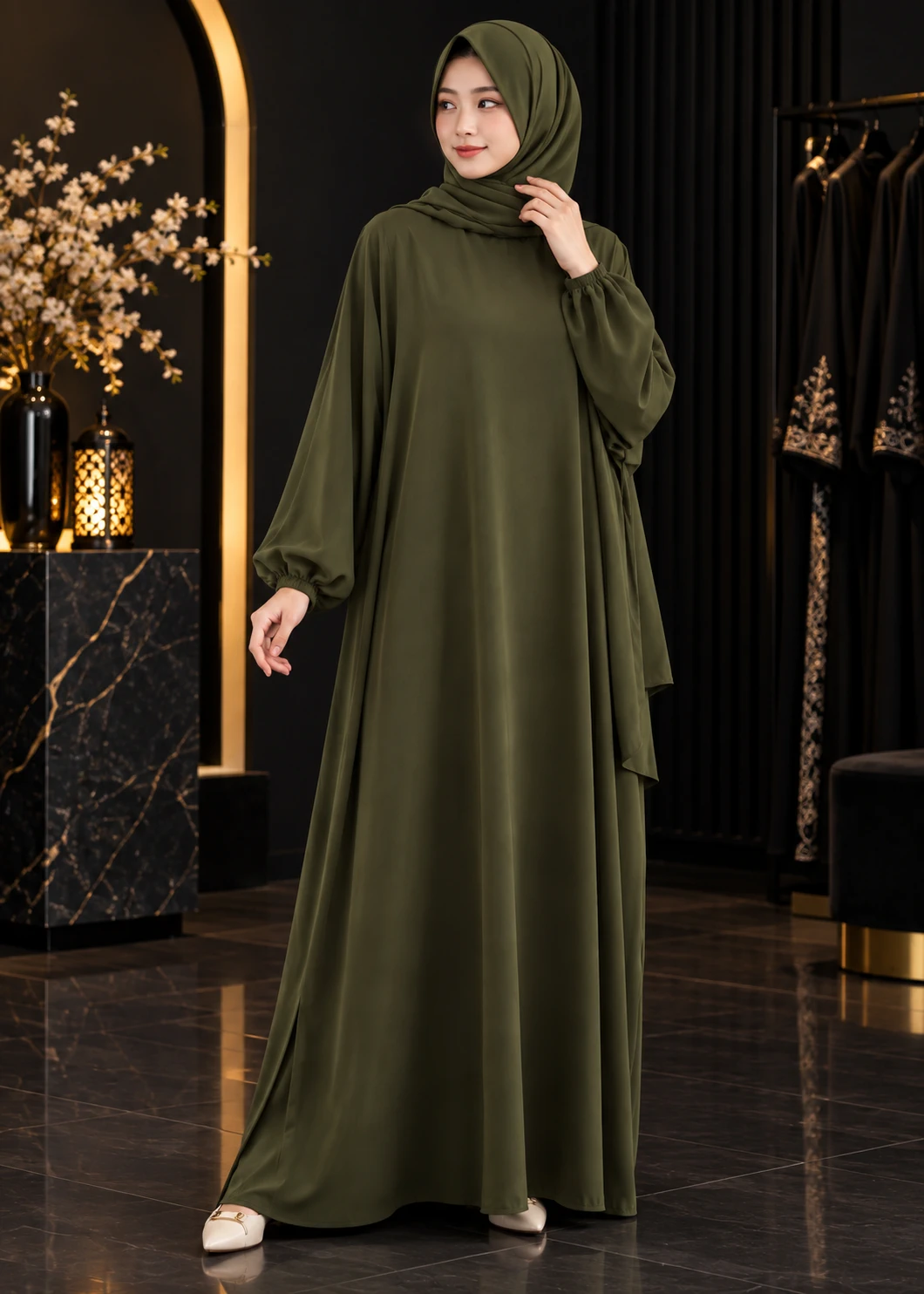
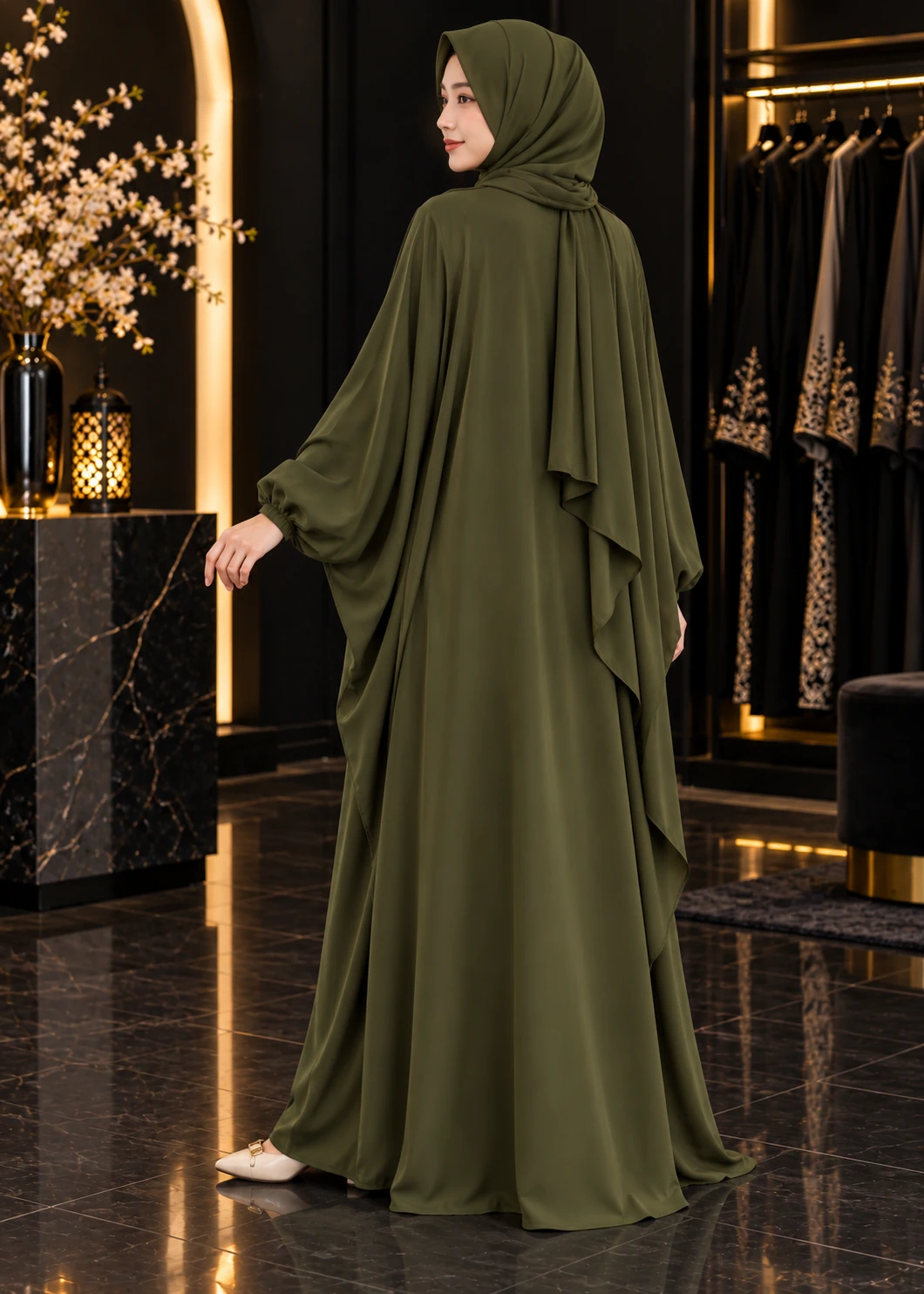
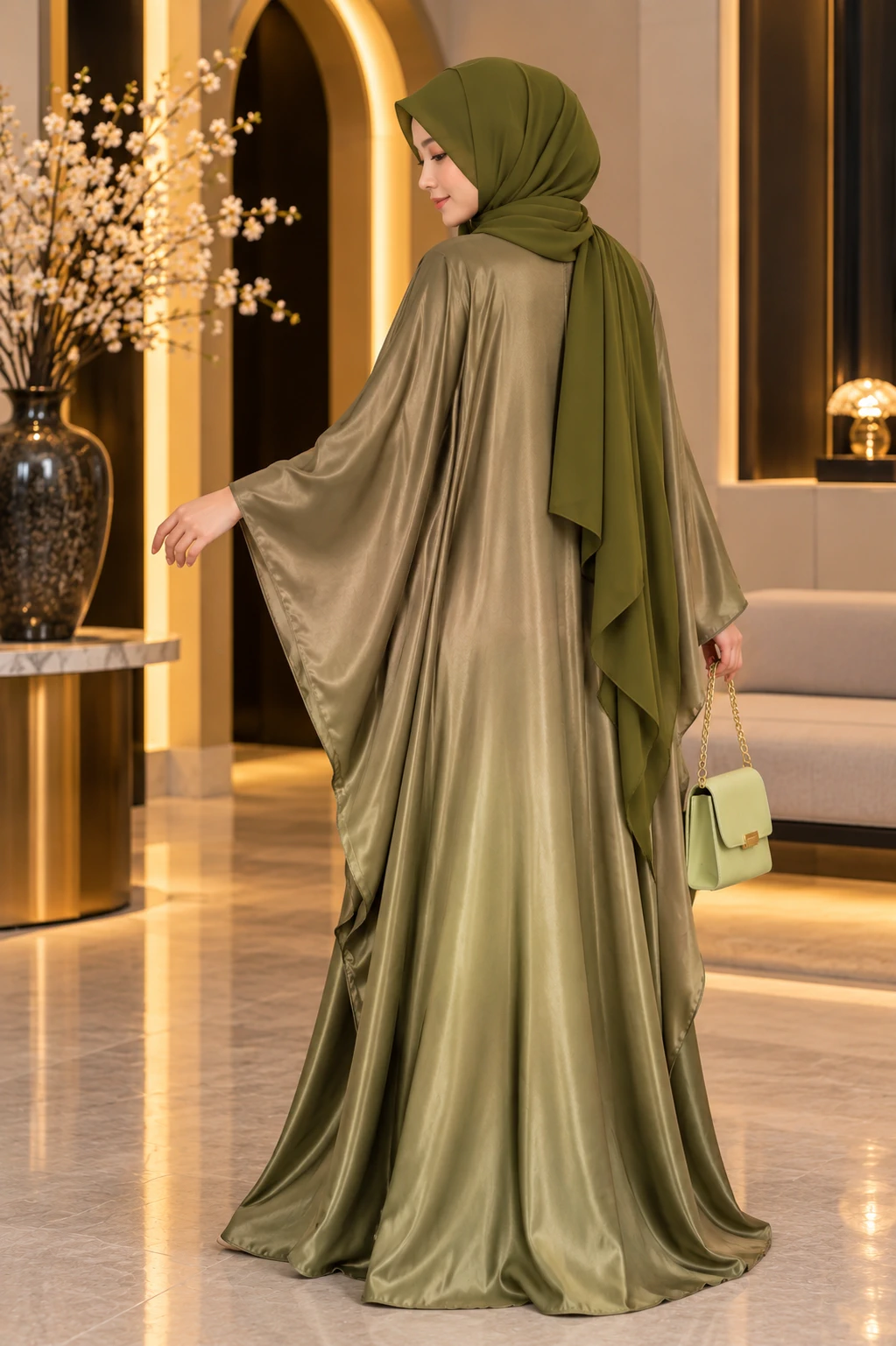
Olive GreenMade to order
from AED 138typical retail AED 315
6 colourways · sizes 52–60 · 12–18 days
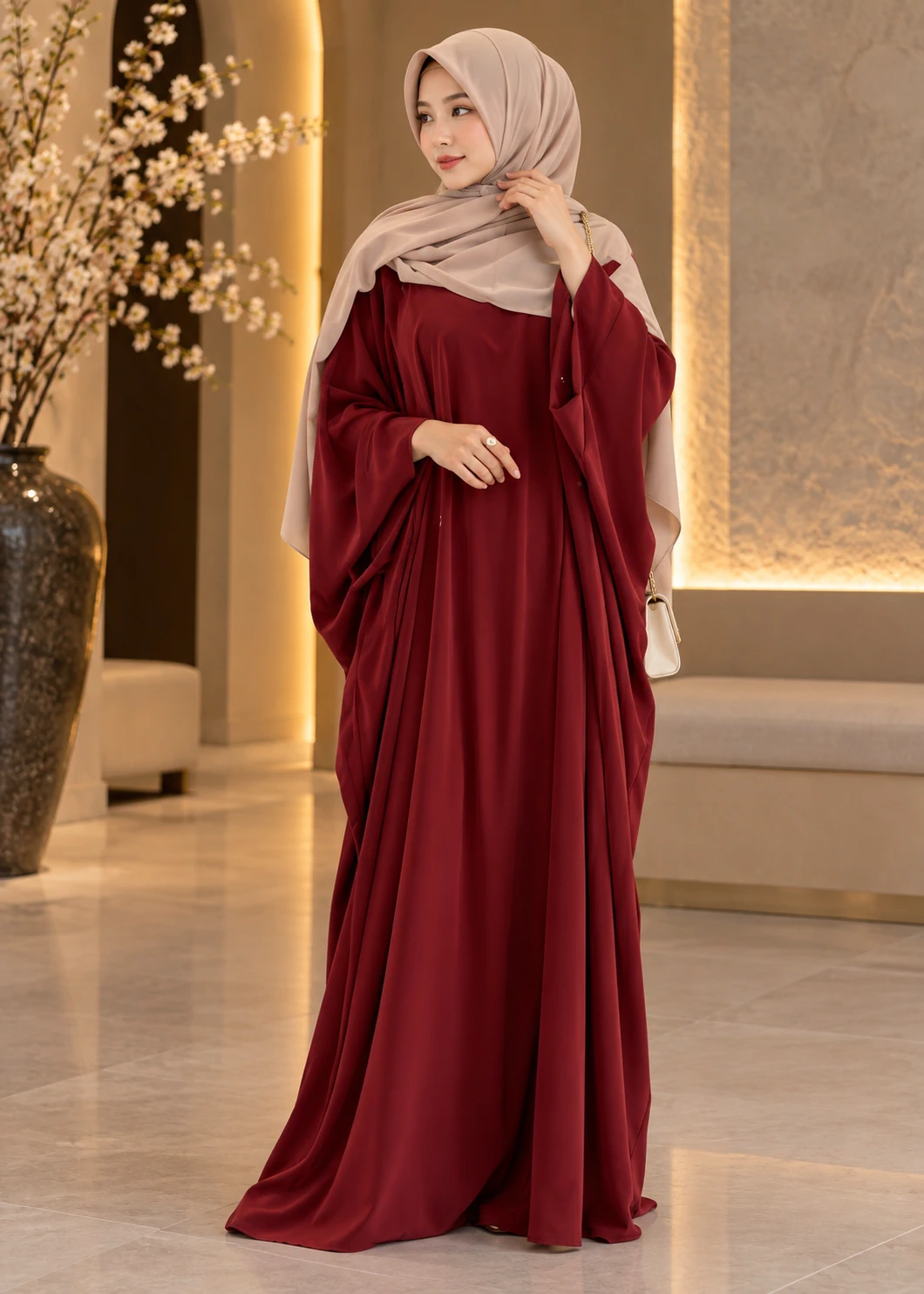
MaroonMade to order
from AED 142typical retail AED 325
6 colourways · sizes 52–60 · 12–18 days
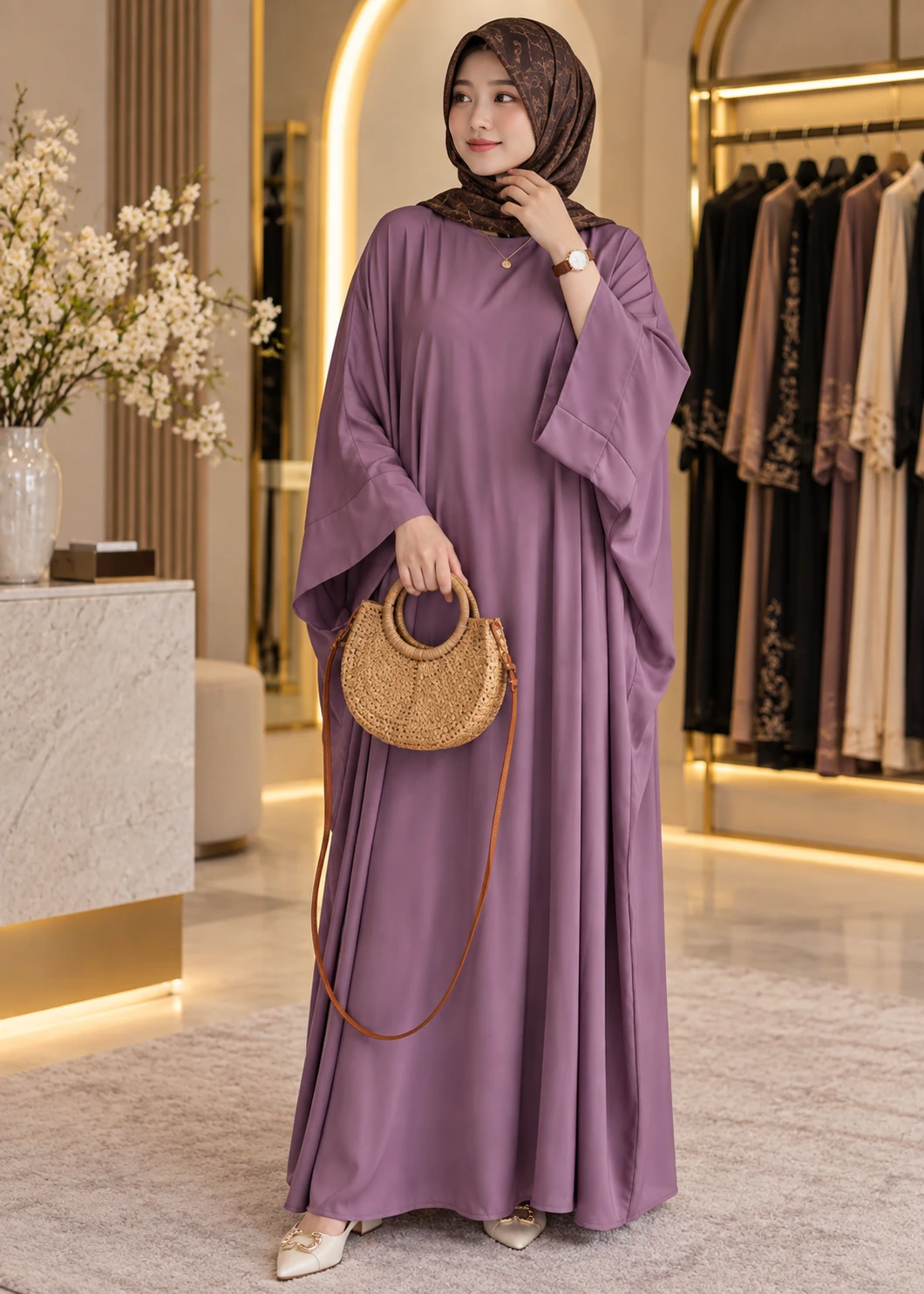
MauveMade to order
from AED 160typical retail AED 370
6 colourways · sizes 52–60 · 12–18 days
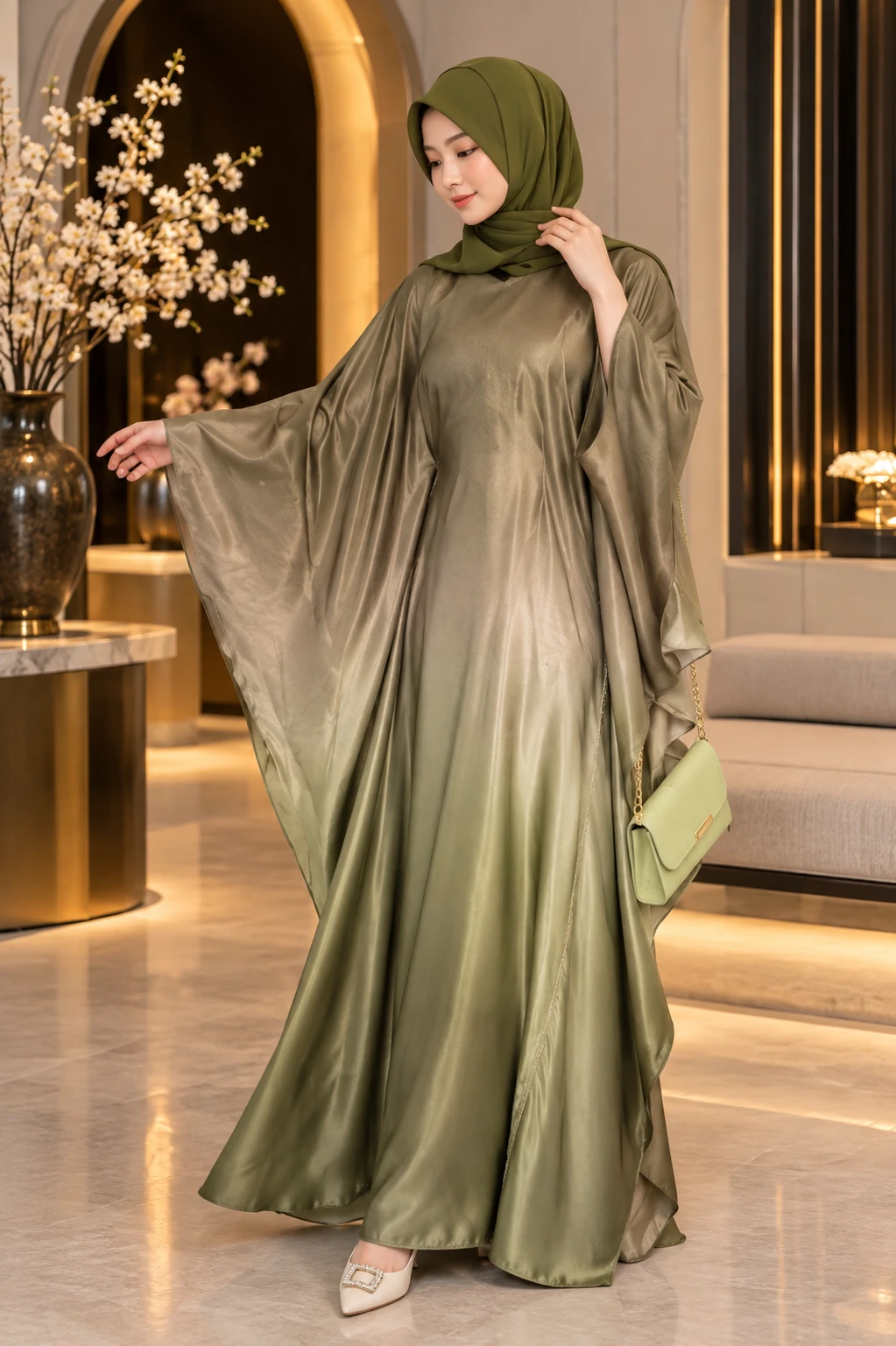
Olive GreenMade to order
from AED 170typical retail AED 390
6 colourways · sizes 52–60 · 12–18 days
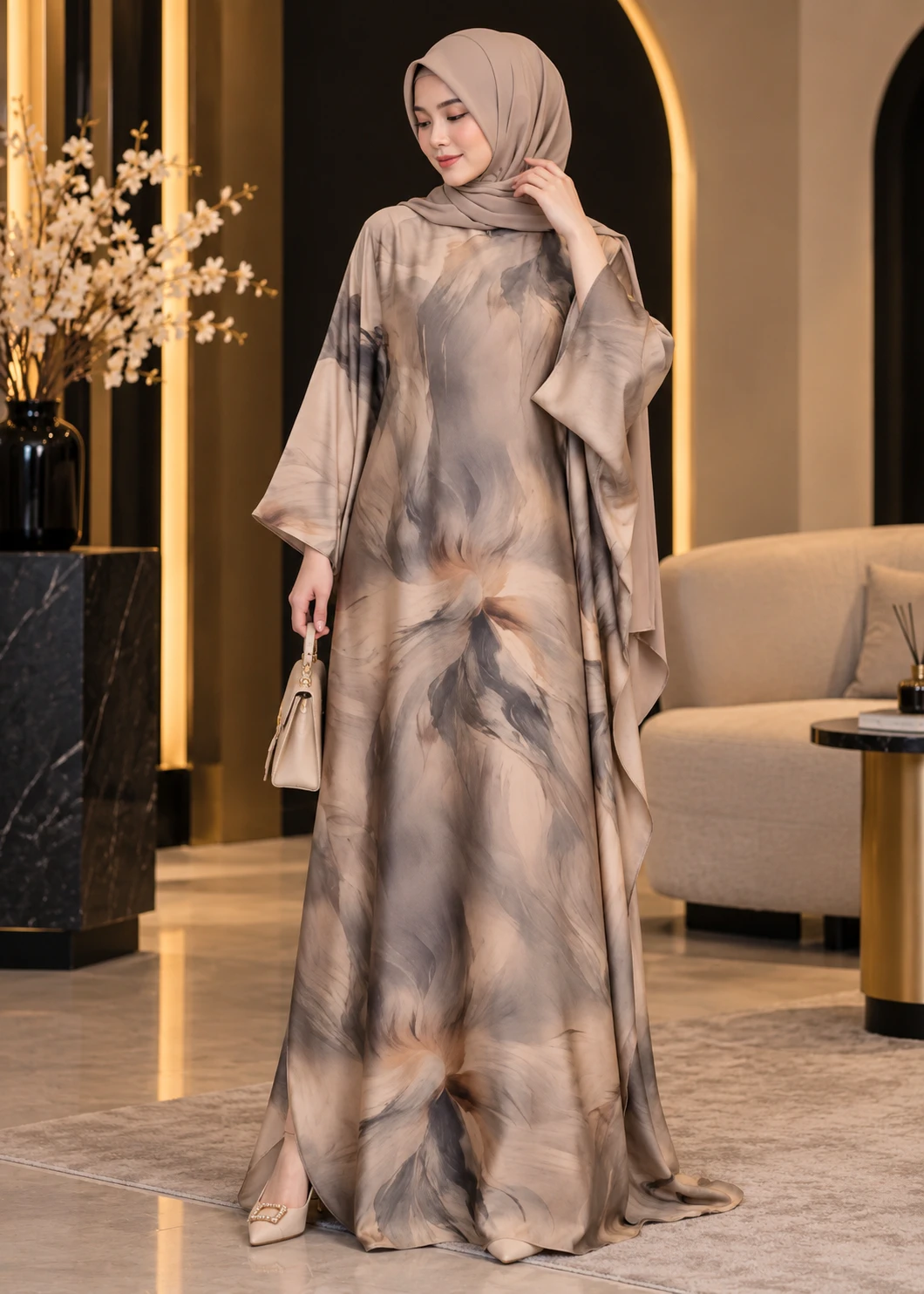
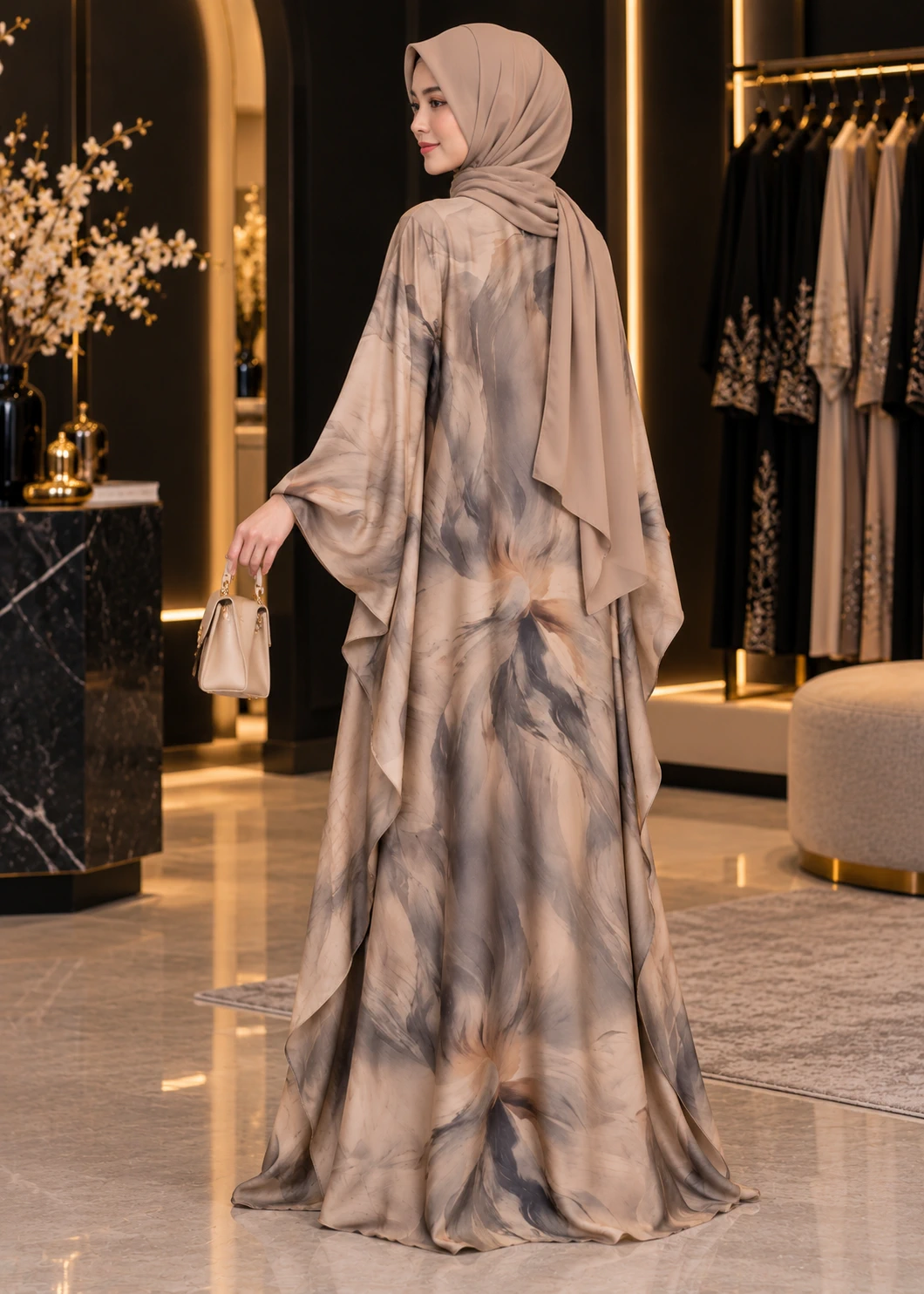
Sand WatercolourMade to order
from AED 170typical retail AED 390
6 colourways · sizes 52–60 · 12–18 days
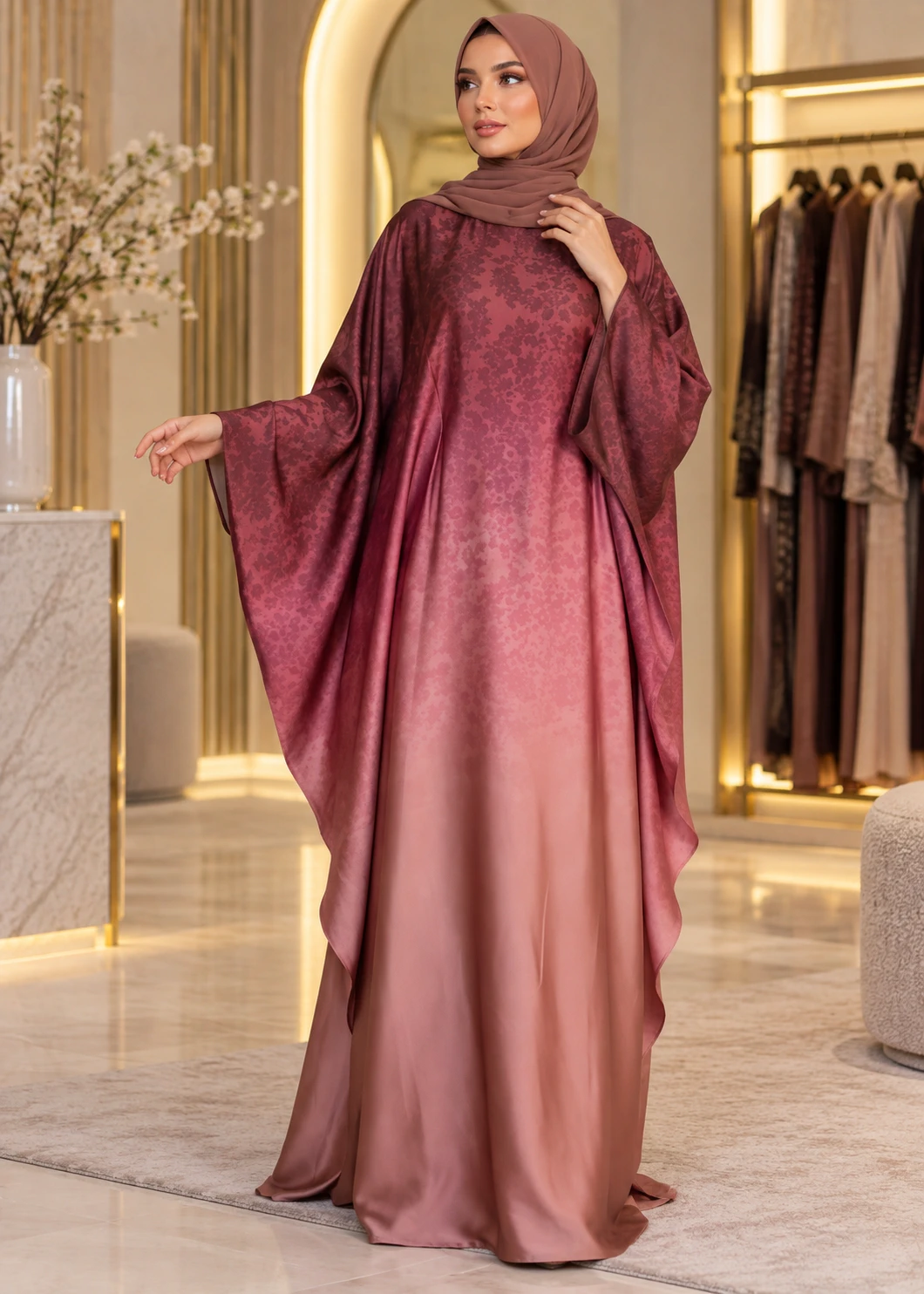
Rose Ombré FloralMade to order
from AED 170typical retail AED 390
6 colourways · sizes 52–60 · 12–18 days
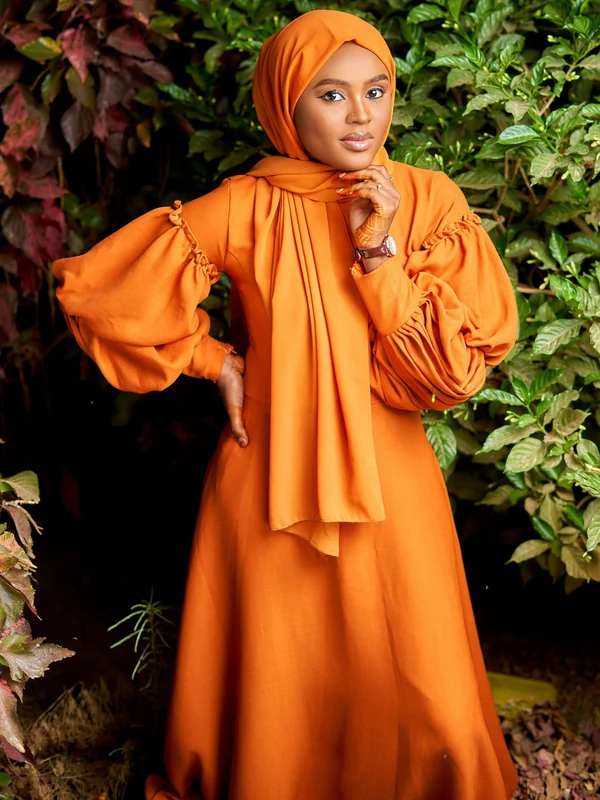
A wing sleeve moves, and movement is what stops a scroll. This is the piece that sells the rest of the rail rather than the piece that carries your volume.
All the shape is in the sleeve, so the body can run generous. Fit returns are lower here than on anything tailored.
Customers accept a higher shelf price for drama. The cut does the work that embroidery would otherwise have to pay for.
Four words used loosely across the trade. This is how we use them, and we use them the same way on every page.
| Name | What defines it | Sells for |
|---|---|---|
| Butterfly | One panel from wrist to hem, opening like a wing | Eid, weddings, photography |
| Batwing | The same construction, different word | The same thing |
| Farasha | The Arabic name for the same silhouette | Ramadan and Eid buying |
| Cape | A separate draped layer over a plain sleeve | A softer, more formal look |
| Kimono | Wide sleeve but a relaxed, everyday body | Daily wear |
If you are comparing quotes, ask for the flat measurement across the sleeve at its widest. That single number tells you more than any of these words.
Instead of a sleeve set into an armhole, the fabric runs in one continuous panel from the wrist down to the hem. Arms down, it reads as a full, flowing abaya. Arms up, it opens into a wing.
Batwing is the same thing under a different name. Farasha is the same thing again in Arabic, and we have a page for that too because buyers search both.
That continuous panel needs width, and wide cloth costs more per metre than narrow. It is the main reason a butterfly cut prices above a straight abaya in the same fabric.
It also affects freight. The pieces are bulkier folded, so a carton holds fewer of them than it would of everyday styles.
It is not a cape abaya. A cape adds a separate layer over an ordinary sleeve, which is a softer look and a different pattern.
It is not a kimono either. A kimono has a wide sleeve but a relaxed everyday body, and it sells to a completely different occasion.
This is a shallow, high-impact buy. Two or three styles is usually right, and depth belongs in your everyday cuts.
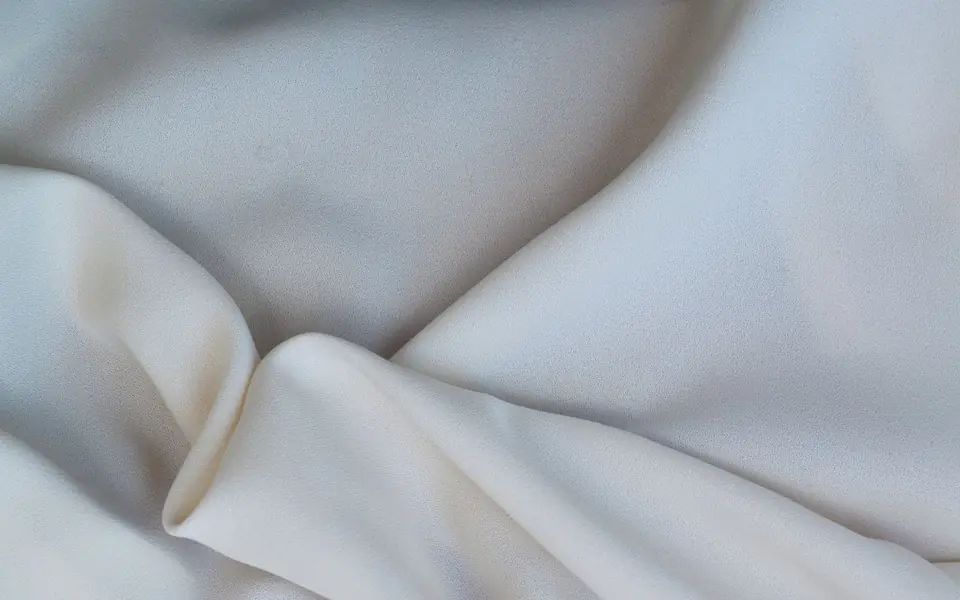
The sleeve has to fall, not stand. Nida gives a soft everyday wing; crepe holds a more sculptural line; satin reads richest under artificial light and is what most occasion pieces use.
Too stiff and the wing looks like a costume. Too thin and it collapses into the body and disappears.
A wide sleeve catches on handles, cooking and car doors. Customers who buy it for daily wear find this out and blame the garment.
Say it is an occasion cut on your product page. Honest expectations are the cheapest returns policy there is.
An abaya where the sleeve is one continuous panel of fabric running from the wrist to the hem, so it opens into a wing shape when the arms lift.
Nothing in construction. They are two names for the same sleeve, and different sellers favour different words.
Yes. Farasha is Arabic for butterfly and names the same silhouette. We keep a separate farasha page because buyers search both words.
A butterfly is about the sleeve: one panel from wrist to hem, built for occasions. A kimono is about the body: a relaxed line for everyday wear.
No. A cape abaya adds a separate draped layer over an ordinary sleeve. A butterfly has no separate layer; the sleeve and the body are cut as one.
Nida for a lighter everyday wing, crepe where the shape needs to hold, and satin for occasion pieces. The cloth decides whether the sleeve falls properly.
It depends on the cut. Closed butterfly styles are worn alone; open ones are usually sold as a set with a matching inner dress.
20 pieces across the whole order, any mix of styles, colours and sizes, with a AED 2,000 minimum order value.
Our published floor is AED 90 a piece at the entry fabric and a simple stitch. A butterfly cut sits above that because it uses more cloth, and we quote it per style.
The continuous wrist-to-hem panel needs wider fabric and more of it. The sewing is not much harder; the cloth is the cost.
Not currently. Every butterfly order is made to order in 12 to 18 working days. Tell us your date and we will confirm whether it fits.
The same length sizing as the rest of the range, measured shoulder to hem: 52 to 60 as standard, with 62 to 66 made to order.
Yes. Everything counts toward the same 20 piece minimum.
Yes, on any style, with your woven or printed labels, care tags and packaging.
Eid, weddings and formal events above all. A lighter nida version works as an elevated everyday piece, but the cut is bought for occasions.
Less so. It catches on door handles and gets in the way when cooking. Sell it as an occasion piece and your customers will be happier with it.
A little. The pieces are bulkier folded, so fewer fit in a carton and freight is charged on the space they take.