Abaya MOQ Explained: Per Style, Per Colour or Per Order?
The same abaya MOQ of 10 can mean a first order of 10 pieces or 100. How per-style, per-colour and per-order minimums work, with a worked table.
By Dubai AbayaPublished 9 min read
Short answer
What is the minimum order quantity for wholesale abayas?
Published minimums for wholesale abayas mostly sit at 10 to 12 pieces on UAE supplier sites. Some Istanbul wholesalers state none; some factories ask 30 per style. What matters more is what the number counts: the whole order, each design, each colour or each size pack. Dubai Abaya's minimum is 20 pieces and AED 2,000 per order, in any mix.
Key takeaways
- An abaya MOQ means little until you know what it counts: the whole order, each design, each colour or each size pack.
- The same 'MOQ 10' can make a first order of five designs in two colours 10 pieces or 100.
- Published minimums on UAE abaya sites mostly sit at 10 to 12 pieces. Some Istanbul wholesalers state none.
- Where a piece and a value minimum both apply, the one you reach last sets your order: 23 pieces at the Dubai Abaya entry price of AED 90.
- A Dubai Abaya sample order has no piece minimum, only AED 2,000 of stock you keep, and is not credited against a later order.
Ask five abaya suppliers for their minimum order and you will get five numbers. Ask what each number counts and the answers split four ways: the whole order, each design, each colour, or each pack of sizes. That second answer decides whether your first order is 10 pieces or 120, so it is the one to get in writing.
This guide explains how minimums are counted across the trade, with a worked table, and what to ask before you plan a range. It covers the market, not just us. Our own terms in full, including reorders and price bands, are on the low MOQ page.
What is the minimum order quantity for wholesale abayas?
There is no standard figure. On UAE wholesale sites the published number is usually 10 or 12 pieces, but a number alone tells you little. The same "MOQ 10" can mean 10 pieces in total or 10 of every design in every colour. For a first order of five designs in two colours, that is 10 pieces or 100.
Here is what a spread of suppliers published in September 2026. It is not a ranking, and any of these numbers can change, but it shows how much the counting varies.
| Supplier (as published) | Based in | Minimum | Counted per |
|---|---|---|---|
| qualityabaya.com | Dubai | 12 pieces | Design, and 12 per colour |
| velhaya.com | Dubai | From 12 pieces | Not stated |
| abayawholesale.com | UAE | 10 pieces | Not stated |
| istanbulfashioncenter.com | Istanbul | 10 to 50 pieces, sold in packs of 2 to 6 | Design |
| hicabistan.com | Istanbul | None on catalogue abayas | Not applicable |
| bayachic.com | Guangzhou | 30 pieces, smaller case by case | Style |
| Made-in-China.com listings | China | 1 to 3,000 pieces | Varies by seller |
Two of the three UAE sites give a number without saying what it counts. That is where most invoice surprises start. A bare "MOQ 10" is not an answer. It is the start of a question.
For comparison, Dubai Abaya counts the whole order: 20 pieces and AED 2,000, in any mix of designs and colours. That is not the lowest number in the table. If you only want one design, a supplier with 10 per design asks for fewer pieces than we do. A per-order rule pays off when you want several designs in small numbers, which is what a first order should usually be.
Per style, per colour, per size or per order: what is the difference?
Each method applies the same number to a different unit. Per order means the total across everything you buy. Per style, or per design, means each design must reach the number. Per colour means each colour of each design must reach it. Per size pack means you buy fixed bundles, not single pieces.
Per order. The loosest rule. Every piece counts toward the total, whatever its design, colour or length, and you decide the split.
Per style, or per design. Each design has its own floor. Colours and sizes can usually share it, so 6 in black and 4 in beige make 10 of one design. Check this, because some suppliers write "per design" and mean per design in each colour.
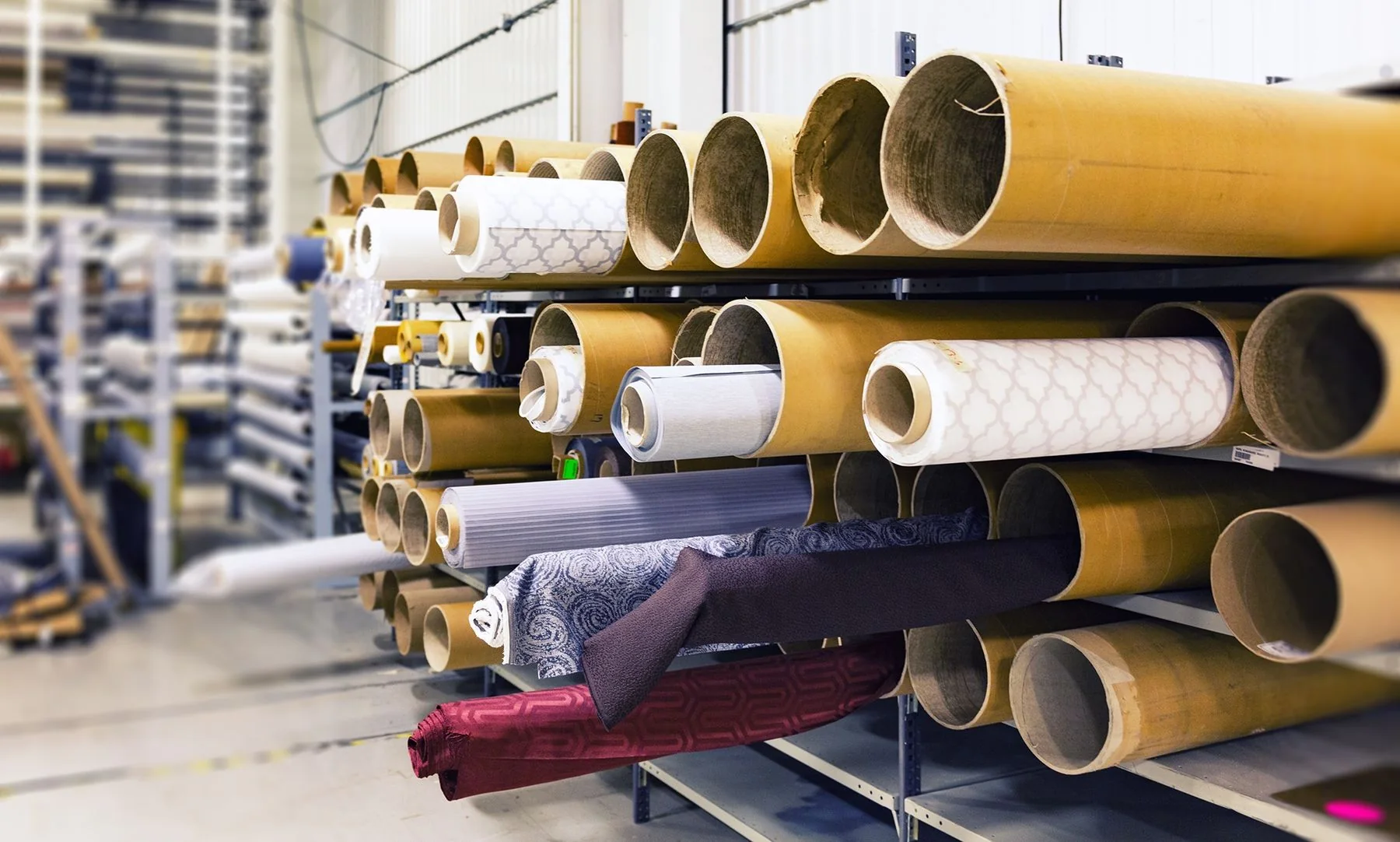
Per colour. The trade word is colourway: one design in one colour. A design in three colours is three colourways, and each needs the full number. This is the rule behind most invoice surprises, but it is not a trick. It comes from how cloth is bought. A UK clothing manufacturer's guide to MOQs explains that each colour usually needs at least one roll of fabric, often about 100 metres, so its minimum applies to every design and every colour.
Per size pack. Some wholesalers sell in packs, a fixed bundle you take whole. One Istanbul wholesaler sells abayas in packs of 2 to 6 pieces. Packs make ordering quick, but what goes inside the pack is usually set by the seller. If your customers wear two lengths and the pack holds five, three pieces in every pack are guesses.
How much does the counting rule change a first order?
Enough to change what you can afford. For five designs in two colours, a per-order rule of 10 needs 10 pieces, a per-design rule needs 50, and a rule of 12 per design per colour needs 120. The headline barely moves, but the stock you have to pay for and then sell grows twelve times over.
Take a range many new shops start with: five designs in two colours, black plus one test colour. That is 10 colourways. The table shows the smallest order each rule allows for that range. The rules are typical of what suppliers publish, not quotes from any one of them.
| Rule as written | Counted per | Smallest order for 5 designs × 2 colours | Pieces per colourway |
|---|---|---|---|
| 10 pieces | Order | 10 | 1, or any split you like |
| 10 pieces | Design | 50 | 10 per design, shared between the colours |
| 10 pieces | Design and colour | 100 | 10 |
| 12 pieces | Design and colour | 120 | 12 |
| Packs of 5, one per size | Design and colour, in whole packs | 50 | 5, one in each size |
| 20 pieces and AED 2,000 (Dubai Abaya) | Order, plus a value floor | 20, or 23 at the AED 90 entry price | Your choice |
The per-colour rows are where plans fall apart. Faced with 120 pieces, you will probably cut the range rather than pay for it. Two designs in two colours at 12 each is 48 pieces. That is more stock than a per-order first order, spread across fewer ideas. You end up with depth in two guesses instead of a small bet on five.
The same rule hits your test colour hardest. Under a per-colour minimum, finding out whether beige sells next to black costs 12 beige pieces of every design you try. Under a per-order rule it can cost two.
A per-order rule does not make each piece cheaper, though. It makes the first order smaller. Small orders usually cost more per piece to make and more per piece to ship, because clearance and paperwork fees stay the same however small the parcel. Our shipping and landed cost page shows how that adds up before you commit.
Why do suppliers set a minimum order value as well as a piece count?
A piece minimum is about the production run. A value minimum is about the order: quoting, checking, packing and paperwork take much the same work whether each piece is cheap or expensive. When a catalogue runs from plain everyday styles to heavy embroidery, one number cannot cover both ends, so some suppliers set both.
Value minimums are normal in clothing wholesale, and some sellers use nothing else. On Faire, for example, each brand sets its own order minimum, from nothing up to $250, according to Shopify's guide to wholesale clothing vendors.
The value minimum is not the trap. Not knowing about it is. Pin down two things before you plan:
- Is it before or after freight? A value on the goods alone is harder to reach than one that includes shipping. Ours is on the goods, before freight and duty.
- Does it apply to reorders too? A first-order minimum and a reorder minimum can differ, and abaya suppliers rarely publish the second. Ours is the same 20 pieces and AED 2,000 on every order.
What does "whichever you reach last" mean?
When a supplier sets both a piece minimum and a value minimum, your order has to pass both. The one you reach last is the one that sets your smallest possible order. With cheap styles, that is usually the value. With embroidered or occasion styles, it is usually the piece count.
Here is how it works on our terms. The minimum is 20 pieces and AED 2,000. At the AED 90 entry price, an order of the cheapest styles only passes AED 2,000 at 23 pieces, so that is where it closes. Swap in embroidered styles at, say, AED 250 a piece and you pass AED 2,000 well before 20 pieces. Now the piece count is the one you reach last.
There is a quick way to see which minimum will bind at any supplier. Divide the value minimum by the piece minimum. The answer is the average price per piece at which both land together. If your pieces average less than that, the value minimum decides your order. If they average more, the piece count does. On our terms the sum is AED 2,000 ÷ 20.
This is also why two suppliers with the same headline can ask for very different orders. "10 pieces" with no value floor and "10 pieces" with a high value floor read the same on a homepage. On a quote, they are not the same.
Where do sample orders fit in?
A sample order lets you test fabric, fit and the supplier before you commit to a full minimum. Across the trade, samples are usually paid for, and the fee is sometimes credited against your first order, often only above a set quantity. Before you pay, ask what the sample costs and what happens to that money if you then order.
"Credited" can mean very different things. One clothing factory's published policy deducts the sample fee only from a first bulk order of at least 200 pieces per style per colour. A France-based abaya wholesaler deducts the full cost of its sample pack from a first wholesale order. Both are credits. Only one is likely to reach a shop buying a few dozen pieces.
Dubai Abaya works differently. A sample order has no piece minimum, only a minimum value of AED 2,000. It is not credited against a later order, because it is not a fee. It is real stock that you keep and sell: test one or two pieces hard and put the rest on your rail.
That is a bigger first step than paying for two or three test pieces, and it is better you know that now. It also only helps with pricier styles. If your styles average less than AED 2,000 ÷ 20 a piece, the same money already buys a full order, so a sample order changes nothing. And if you just need one or two pieces to photograph, a marketplace seller with a one-piece minimum suits you better than we do. The sample orders page has the full terms and a checklist for when the box arrives.
How do you ask a supplier the right MOQ question?
Do not ask "What is your MOQ?" Send the order you actually want, as a list of designs, colours and sizes, and ask whether it is valid and what it costs. A real basket makes the supplier apply every rule at once, including the ones that are not on the website.
Alongside the basket, ask these, and keep the answers:
- Is the minimum counted per order, per design, per colour or per size?
- Is there a minimum order value too, and is it before or after freight?
- Can I choose the size split, or do sizes come in fixed packs?
- Does a custom colour, fabric or label change the minimum?
- Is the reorder minimum the same as the first order?
- How are samples charged, and is anything credited against the first order? On what condition?
Question four matters more than it looks. Custom work often raises the floor: one Istanbul wholesaler says custom orders usually need a higher minimum, and another publishes 50 pieces per design for private label. Ask while you can still change the spec.
Get the answers in writing, on the quote or proforma invoice, not only in a chat. Some sites publish one minimum on the homepage and a different one elsewhere, and a written quote settles which applies to you. For the other checks worth making before you send a deposit, see how to vet an abaya supplier.
If you want to try this on us, pick your designs from the catalogue and send the basket through the contact page: designs, colours, sizes and the country it is going to. We check it against the minimum, price the goods and quote freight alongside, within 24 hours. If this is your first wholesale order, read the mistakes new abaya buyers make first.
Frequently asked questions
Can I mix styles and colours to reach an abaya supplier's minimum?
It depends on how the supplier counts. Under a per-order rule, every piece counts toward the total, whatever its design or colour. Under a per-design or per-colour rule, each design or colour has to reach the number on its own. Ask which applies before you plan your range. At Dubai Abaya the minimum is on the whole order, in any mix.
Is a 'no MOQ' abaya supplier the cheapest way to start?
Not always. Some Istanbul wholesalers sell catalogue abayas with no minimum, and marketplace listings start at one piece. But clearance and paperwork fees are the same for a small parcel as a big one, and light, bulky parcels cost a lot to ship per piece. Compare the landed cost of the order you want, not the headline minimum.
What is the difference between an MOQ and a minimum order value?
An MOQ is a count of pieces. A minimum order value is an amount of money, usually for the goods before freight. Some suppliers set only one of them and some set both. When both apply, your order has to pass both, and whichever you reach last sets the smallest order you can place.
Are abaya sample fees credited against the first order?
Sometimes, and often with conditions. Some factories credit the sample fee only when the first bulk order passes a set quantity per style and colour, so ask what the condition is before you pay. At Dubai Abaya a sample order is not credited, because it is real stock you keep and sell, with no piece minimum and a minimum value of AED 2,000.
Is the minimum higher for custom or private-label abayas?
Often, yes. A custom colour or fabric can carry the mill's own minimum, and some wholesalers set a separate private-label minimum per design. Woven labels have a floor too, usually 500 or 1,000 labels from the label maker. Ask whether anything in your spec raises the minimum while you can still change it.
Sources
- Quality Abaya, homepage: MOQ per design and per colour
- VELHAYA, homepage: minimum order
- abayawholesale.com, homepage: minimum order
- Istanbul Fashion Center, wholesale abaya collection
- Hicabistan, wholesale abaya page
- Bayachic, abaya manufacturing: MOQ per style
- Made-in-China.com, abaya product listings
- Hook and Eye UK, MOQs explained
- Shopify, wholesale clothing vendors
- Dixiao Clothing, sample policy
- Abaya Supplier, sample pack
Our own figures (minimums, prices, deposits, lead times) match our published terms and change everywhere on this site at once. Duty, freight and market figures from third parties are dated and sourced; check them with your broker before you rely on them.